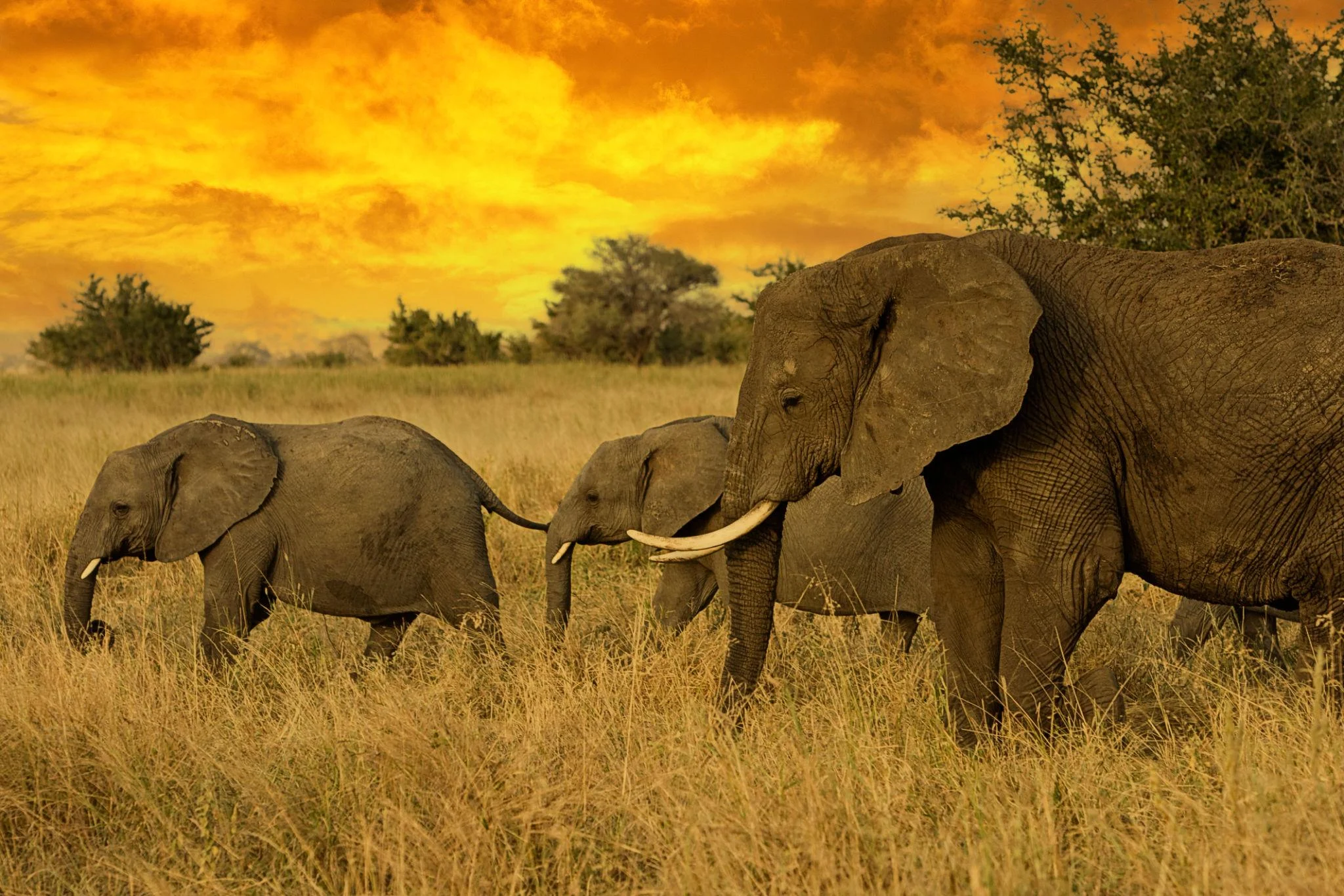

Quick Answer: A 3-day budget safari in Tanzania costs from around $1,100 per person when you share a vehicle (2–6 people). That price covers park entry fees, a 4×4 with a guide, budget accommodation, meals, and transport from Arusha or Moshi. Solo travellers and Serengeti fly-in trips cost more. Park fees alone make up $170–$300 of the total.
What a 3-Day Budget Safari Actually Costs
A real 3-day budget safari in Tanzania starts at $1,100 per person when you travel as a small group and stay in budget camps or simple lodges. That is not a teaser number — it is the starting price we quote for our 3 Days Tarangire, Lake Manyara and Ngorongoro Crater safari and our 3 Days Arusha, Tarangire and Ngorongoro Crater safari, both bookable right now.
I am Rehema, and I manage safari operations here at Affordable International Travel in Moshi. In eight years of quoting Tanzania safaris and processing more than 500 bookings, the 3-day trip is the single most misquoted itinerary I see. Travellers read “$600 all-inclusive” on a competitor’s homepage, then discover park fees were never in the number. This guide gives you the real figure, shows you exactly where the money goes, and walks you through a day-by-day itinerary so you can budget with confidence.
By the end you will know what drives the price, which 3-day route fits your budget, how to bring the cost down honestly, and what a fair quote looks like before you send a deposit to anyone.
Why Does a 3-Day Safari Cost What It Costs?
Three fixed costs make up most of any Tanzania safari price: park fees, the vehicle and guide, and accommodation. On a short trip these are compressed into three days, so the daily cost looks high — but you are paying government fees that no operator can discount.
Here is the honest breakdown for a shared 3-day northern-circuit safari, per person:
| Cost component | Typical share of a 3-day trip | Notes |
|---|---|---|
| National park & conservation fees | $170–$300 | Set by government. Non-negotiable. Includes 18% VAT. |
| 4×4 vehicle, fuel & professional guide | $250–$400 | Split across everyone sharing the vehicle. |
| Budget accommodation (2 nights) | $120–$260 | Public campsite up to simple lodge. |
| Meals, water & camp staff | $80–$150 | All meals on safari, drinking water included. |
| Operator service & booking | Balance | Permits, logistics, 24-hour support. |
The reason a 3-day trip feels expensive per day is simple: the park fees do not shrink because your trip is short. You still pay a full day’s entry every day you are inside a park.
What Park Fees Do You Actually Pay?
Park fees are the part travellers underestimate most. For a classic 3-day route through Tarangire, Lake Manyara and Ngorongoro, a non-resident adult pays a separate fee at each protected area, per 24 hours. As a general guide:
- Tarangire National Park: around $50–$60 per person, per day
- Lake Manyara National Park: around $50–$60 per person, per day
- Ngorongoro Conservation Area: around $70 per person, per day (this is run by the Ngorongoro Conservation Area Authority, not TANAPA, so it has its own tariff)
- Ngorongoro Crater Service Fee: around $295 per vehicle, each time you descend into the crater — this is split across everyone in your car
These are government-set rates and can be adjusted from time to time, so treat them as a planning guide rather than a locked quote. Most published rates already include Tanzania’s 18% VAT, but some sources quote the figure before tax, which is why you see different numbers online.
All park fees are paid electronically — the gates no longer take cash — so your operator settles them with a government control number before you arrive. Under Tanzania National Parks Authority (TANAPA) rules there is no cap on visitor numbers, so you will never be turned away for the fee, but you cannot avoid it either.
This is exactly why a “$600 3-day safari” cannot be real for a non-resident: the park and crater fees alone can reach $300 per person before a single dollar goes to the vehicle, guide, food or bed.
A Real 3-Day Budget Safari Itinerary
The most popular budget route is Tarangire → Lake Manyara → Ngorongoro Crater. It packs elephants, tree-climbing lions, flamingos and the crater’s Big Five density into three days, and every park sits within an easy drive of the next. Here is how the days run.
Day 1 — Tarangire National Park. Early pickup from your Arusha or Moshi hotel, then a two-hour drive to Tarangire. Tarangire holds the largest elephant herds on the northern circuit and its baobab-dotted plains are at their best in the dry season (June to October), when animals crowd the Tarangire River. Full-day game drive, picnic lunch in the park, then to your budget camp or lodge near the park for the night.
Day 2 — Lake Manyara National Park. Morning game drive in Lake Manyara — famous for its tree-climbing lions, huge baboon troops and flamingo-lined shore beneath the Rift Valley escarpment. After lunch, drive up to the Ngorongoro highlands and overnight at a campsite or simple lodge on the crater rim.
Day 3 — Ngorongoro Crater. Descend into the crater at dawn, when the light is best and the predators are still active. The crater floor is one of the few places in Tanzania where you have a genuine chance at all of the Big Five in a single morning — black rhino included. Game drive until early afternoon, then the drive back to Arusha or Moshi, arriving in the evening.
That is a true budget safari: real parks, a real 4×4 with a pop-up roof, an experienced guide, and no corners cut on safety or park fees. If three days feels tight, our team can extend the same route into a fourth day in the Serengeti — but as a first taste of Tanzania, this loop delivers.
Which 3-Day Safari Matches Your Budget?
Not every 3-day trip costs the same, because the parks and the style change the number. Here is how our safari options compare, so you can see where your budget lands. Starting prices are shown as a “from” figure — check the individual package page or ask us for today’s exact quote:
| 3-day safari | Starts from (per person) | Best for |
|---|---|---|
| Tarangire, Lake Manyara & Ngorongoro Crater | $1,100 | Classic budget first safari |
| Arusha, Tarangire & Ngorongoro Crater | $1,100 | Travellers landing at Kilimanjaro Airport |
| Game Drive, Culture & Bush Walk (Tarangire & Ngorongoro) | $1,500 | Adding a walking safari and cultural visit |
| Serengeti Great Migration & River Crossing (Fly-In) | $1,511 | Seeing the Serengeti in a short window |
| Ngorongoro Crater Rim Walk & Empakaai Crater Hike | $2,000 | Active travellers who want to hike |
The two $1,100 options are your true budget entry points. The Serengeti fly-in costs more because it includes a domestic flight to reach the plains in a short trip — driving the Serengeti in three days is not realistic, so we fly you in instead of pretending the road time works.
How Do You Bring the Cost Down Honestly?
You cannot discount park fees, so real savings come from three levers: group size, accommodation, and timing. These are the same moves I use when a traveller tells me their firm budget and asks me to make it work.
- Share the vehicle. The 4×4, fuel and guide are a fixed cost per car, not per person. Splitting them across four or six people is the single biggest saving — this is the whole idea behind a group joining safari, where you share the cost with other travellers.
- Choose budget camping over lodges. A public campsite runs far less per night than a lodge. Our camping safari option uses proper tents and a camp cook, and it is the cleanest way to cut two nights of accommodation cost without touching the wildlife experience.
- Travel in the low season. April, May and November bring green-season rates on accommodation. You trade some dust-season animal concentration for lower prices, fewer vehicles and lush scenery.
What I will not tell you to do is book with an operator quoting below the park-fee floor. In eight years of operations, every “too cheap” quote I have seen later reappears as a surprise charge at a park gate, a downgraded vehicle, or an unlicensed guide. A budget safari should be affordable, not fake.
If you want the full picture across every trip length, our Tanzania safari cost guide breaks down where every dollar goes on 2-day through 7-day itineraries.
What’s Included in Our 3-Day Safari Price?
A fair 3-day quote should cover everything except your international flight, visa, and tips. Ours includes a 4×4 safari vehicle with a pop-up roof, an experienced licensed guide, all national park and conservation fees, budget accommodation for two nights, all meals on safari, drinking water, and pickup and drop-off in Arusha or Moshi.
What it does not include: your Tanzania visa, travel insurance, drinks outside meals, and tips for your guide and crew. Tipping is customary in Tanzania and sits on top of the safari price, so budget it separately — our safari tipping guide sets out exactly how much for the guide and crew.
As a member operator of the Tanzania Association of Tour Operators (TATO), licensed by the Tanzania Tourist Board (TTB) and registered with the Tanzania Wildlife Management Authority (TWMA), we quote park fees as the government sets them and put every inclusion in writing before you pay. Since founding, our team of five certified Tanzanian guides has run more than 340 safaris and climbs for over 600 travellers from 38 countries — most on exactly the kind of budget trip described here.
Frequently Asked Questions About 3-Day Tanzania Budget Safaris
Is 3 days enough for a Tanzania safari?
Yes, three days is enough for a genuine safari if you focus on the northern parks that sit close together — Tarangire, Lake Manyara and Ngorongoro Crater. In three days you can realistically see elephants, lions, flamingos and, in the crater, a chance at all of the Big Five. It is not enough time to drive the Serengeti, which needs a longer trip or a fly-in. For a first safari on a budget, three days delivers a full experience without the cost of a week.
How much is a 3-day safari in Tanzania per person?
A 3-day budget safari in Tanzania costs from $1,100 per person when you share a 4×4 with a small group and stay in budget camps or simple lodges. Trips that add a walking safari, cultural visit or a Serengeti fly-in cost more — roughly $1,500 to $2,000 per person. Solo travellers pay more because the vehicle, guide and fuel are a fixed cost that is not shared. The price includes park fees, guide, transport, accommodation and meals.
Why are Tanzania park fees so high on a short safari?
Park fees are set by the government per person, per 24 hours, and they do not reduce on a short trip. On a 3-day safari you pay a full day’s entry for each park you visit — around $50–$60 for Tarangire or Lake Manyara and about $70 for the Ngorongoro Conservation Area, plus a crater service fee of about $295 per vehicle. These fees fund conservation and anti-poaching, include 18% VAT, and are the reason no honest operator can quote a non-resident safari below a few hundred dollars a day.
What is the cheapest 3-day safari route in Tanzania?
The cheapest genuine 3-day route is Tarangire, Lake Manyara and Ngorongoro Crater, starting at $1,100 per person shared. It keeps costs down because all three parks are close together, so you spend less on fuel and long transfers, and it still delivers elephants, tree-climbing lions and the crater’s dense wildlife. Camping instead of lodging and travelling in the low season (April, May, November) lowers the price further without changing the parks you visit.
Can I do a 3-day Serengeti safari on a budget?
A 3-day Serengeti safari is possible but not cheap, because reaching the Serengeti in a short trip means flying rather than driving — the road time is too long for three days. Our 3 Days Serengeti Great Migration Fly-In starts at $1,511 per person and includes the domestic flight. If your priority is budget over the Serengeti specifically, the Tarangire–Manyara–Ngorongoro loop gives you more wildlife time for less money, since the crater alone rivals the Serengeti for game density.
Do I tip on a 3-day safari, and how much?
Yes, tipping is customary in Tanzania and expected on top of the safari price, though it is never mandatory. For a 3-day trip, budget around $20–$25 per day for your driver-guide (shared across your group if you are travelling together), plus $10–$15 per day for a camp cook if you are camping. Bring clean US dollar bills dated 2009 or newer in small denominations. Your guide relies on tips as a real part of their income, so a fair tip for good service matters.
Planning Your 3-Day Tanzania Safari
A 3-day budget safari in Tanzania is the fastest, most affordable way to see real African wildlife without a week off work or a luxury budget. To recap:
- Expect from $1,100 per person shared for a genuine budget trip
- Park and conservation fees make up $170–$300 of that and cannot be discounted
- The Tarangire–Lake Manyara–Ngorongoro loop is the best-value first safari
- Sharing a vehicle, camping, and travelling low season are the honest ways to save
You now have the real numbers, the itinerary, and the questions to ask before you book. The next step is a quote built around your exact dates, group size and budget — not a marketing figure.
Get a real 3-day safari quote from Rehema. Message me directly on WhatsApp at +255 740 453 344 with your dates and group size, and I will send you a costed itinerary with every park fee itemised — no surprises at the gate. You can also compare our full range on the Tanzania safaris page or contact our team.