arusha national park safari
Welcome to Arusha National Park
Arusha National Park offers remarkable biodiversity and dramatic landscapes in a compact area: freshwater and alkaline lakes, rolling Momella plains, volcanic craters, dense montane forest, and the looming cone of Mount Meru.
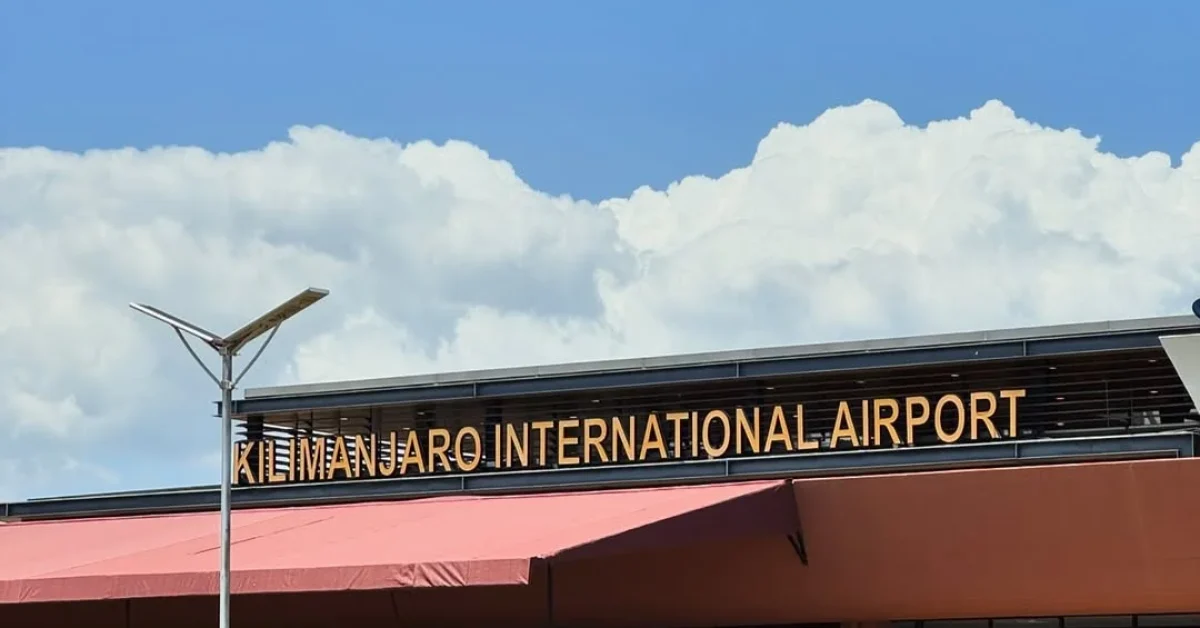
Because the park is only a short drive from Arusha town and Kilimanjaro Airport, it’s perfect for travellers who want a high-value wildlife day trip or to use the park as an acclimatization stop before Kilimanjaro or a northern circuit safari.
About Arusha National Park
At approximately 137 km², Arusha National Park is compact but ecologically rich.
Vegetation ranges from lowland plains to montane rainforest on the slopes of Mount Meru, giving visitors a chance to see colobus monkeys in dense canopy, giraffes browsing acacia in the plains, and flocks of flamingos along the Momella lakes.
Because of the park’s size and varied terrain, a single day can deliver several different ecosystems and photographic opportunities — a quick, high-impact wildlife experience for budget travellers.
Where is Arusha National Park?
Arusha National Park sits on the northwestern flank of Mount Meru, roughly 30–45 minutes’ drive from Arusha city centre (traffic dependent) and about an hour from Kilimanjaro International Airport — making it an excellent first or last safari stop for international visitors.
The park is managed under Tanzania’s national parks authority and is a designated conservation area with established trails, ranger-led activities, and visitor facilities.
Best Month to Visit Arusha National Park
Arusha is rewarding year-round — each month has its own wildlife rhythms, weather window, and visitor vibe.
Arusha National Park in January
January brings warm days and clear skies after the short rains.
The grasses are green but not overgrown, giving you great visibility during game drives.
Mount Meru’s peak often stands crystal-clear at dawn, perfect for postcard photos.
Momella Lakes shimmer in soft morning light, and you’ll often see giraffes browsing peacefully against deep-green backdrops.
Canoeing is especially magical — quiet water, gentle sun, plenty of birds.
Arusha National Park in February
February is one of the driest and clearest months in Arusha.
Trails up Mount Meru are at their best — firm, dry, and grippy — ideal for both full treks and short day hikes.
Forest walks feel refreshing, with colobus monkeys active in the canopy and birds singing loudly as they court and defend territory.
This is the month for crisp views, minimal haze, and stunning sunrise photography over alpine slopes.
Arusha National Park in March
The first half of March remains warm and mostly dry, giving you excellent safari conditions with fewer tourists.
By the end of the month, heavier showers begin — dramatic clouds roll over Mount Meru, creating atmospheric light for photographers.
Budget travellers love March because prices begin dipping, and you often have viewpoints like Ngurdoto Crater almost to yourself.
Expect moody skies, rich colours, and peaceful game viewing.
Arusha National Park in April
April is the wettest month, transforming Arusha into a lush, emerald paradise.
Think mist curling through montane forests, glistening grasslands, and dramatic reflections in the Momella Lakes.
Trails can be muddy, but game drives become a meditative experience with hardly any vehicles around. Birdlife explodes — storks, herons, turacos, and sunbirds all thrive in the refreshed landscape.
If you love solitude, April is magical.
Arusha National Park in May
May still receives rain, but with more frequent sunny breaks.
Wildlife is active, birds are abundant, and the landscapes are vibrant beyond belief.
Lodge prices are lower, ranger-led walks are wonderfully quiet, and the mountain slopes look freshly washed.
If you want “peak beauty” without peak crowds, May is a perfect sweet spot.
Trails for shorter hikes dry up more consistently, especially around lower forest zones.
Arusha National Park in June
June marks the return of long, dry days with cool mornings and comfortable afternoons.
The ground firms up, which makes guided walking safaris particularly enjoyable — crisp air, long views, and excellent chances of spotting giraffes, buffalo, and monkeys while on foot.
Mount Meru’s slopes are still green but less slippery, attracting hikers and nature lovers.
This is one of the best months for multi-activity days (game drive + walk + canoe).
Arusha National Park in July
July is classic safari weather. The mornings are cool and refreshing, sometimes with light mist hugging the forest edges.
Wildlife congregates around reliable water sources, making sightings more predictable.
The skies are brilliantly clear — a perfect backdrop for photography.
Expect more visitors, but also consistently excellent conditions for game drives, birdwatching, and canoeing.
Arusha National Park in August
August is one of the most popular months.
The park is dry, visibility is superb, and animals are easier to spot as vegetation thins.
Momella Lakes become a hotspot for flamingos, herons, spoonbills, and other water birds. Hiking conditions are prime: cool mornings, sunny afternoons, and dramatic views stretching miles.
Plan early, as the best budget lodges and mid-range options fill up quickly.
Arusha National Park in September
September brings warm sunshine and clear days.
The lakes shrink slightly, concentrating algae and attracting larger flocks of flamingos — a dream for bird photographers.
Walking safaris are comfortable thanks to dry ground, and game drives are rich with sightings as animals continue relying on permanent water sources.
This is a great month for travellers who want peak-season weather without peak-season crowds.
Arusha National Park in October
By mid-October, the short rains begin, bringing a light, refreshing green back to the park.
The rains are usually brief — more like afternoon showers — and the mornings remain bright.
This is a beautiful shoulder season: fewer tourists, dynamic skies for photography, and cooler temperatures on the mountain.
Canoeing becomes extra scenic thanks to glossy lake surfaces and dramatic cloud reflections.
Arusha National Park in November
November receives gentle showers that turn the park a vibrant green again.
It’s a rewarding time for birdwatchers, as migratory species return and the Momella Lakes come alive with feeding activity.
Safari crowds thin dramatically, making November one of the best value months for budget travelers — peaceful trails, moody skies, and gorgeous landscapes without the high-season prices.
Arusha National Park in December
December brings a mix of short showers and dry, sunny days.
The landscape is colourful: green grasslands, volcanic slopes washed clean by rain, and plenty of wildlife active throughout the day.
Early December is quieter and offers excellent value; late December becomes lively as holiday travelers arrive.
Expect warm temperatures, beautiful mountain views, and a wonderfully diverse park atmosphere.
Why Visit Arusha National Park?
Walking Safari
Explore wildlife on foot, including giraffes, buffaloes, and beautiful forests.
Mount Meru
Hiking Mount Meru is considered one of the best trekking experiences in Africa,
Accessibility
Perfect for half-day or full-day safaris without long transfers — ideal for budget-conscious travelers.
Where to Stay at Arusha National Park
Hatari Lodge
Momella Wildlife Lodge
Meru View Lodge
Main Attractions in Arusha National Park
Ngurdoto Crater
A cluster of alkaline lakes formed by Mount Meru’s eruptions, Momella Lakes present dramatic color shifts (green, blue, silver) depending on algae and mineral content.
Large rafts of greater and lesser flamingos often feed along the shallows; canoeing here at sunrise or late afternoon delivers mirror-like water photos, close birdwatching, and calm wildlife moments
Momella Lakes
A cluster of alkaline lakes formed by Mount Meru’s eruptions, Momella Lakes present dramatic color shifts (green, blue, silver) depending on algae and mineral content.
Large rafts of greater and lesser flamingos often feed along the shallows; canoeing here at sunrise or late afternoon delivers mirror-like water photos, close birdwatching, and calm wildlife moments.
Mount Meru
Mount Meru (4,566 m) towers over the park and offers both strenuous multi-day climbs and gentler day-walk options through forested slopes alive with birdlife, waterfalls, and rare flora.
The mountain is an excellent acclimatization climb for travellers planning Kilimanjaro afterward and rewards hikers with dramatic skyline views and volcanic geology.
Activities in Arusha National Park
Guided Walking Safari
A 1–3 hour ranger-led walk across open plains, forest edges, or crater rims. Because the park has relatively few large predators, walking safaris here are safe when led by trained armed rangers.
Walking slows the pace — you’ll read fresh tracks, hear bird choruses, smell damp earth, and sometimes come within a few meters of giraffes or buffalo browsing quietly. These up-close experiences are highly “instagrammable” and cost very little extra compared with game drives.
Starting From
$150/person
Starting From
$150/person
Canoeing / Kayaking on Momella Lakes
A 1.5–3 hour paddling trip (seasonal and operator-dependent) on selected Momella lakes, often combined with birding or a short game drive.
Canoeing places you at flamingo-eye level; mornings are especially peaceful as birds feed. This activity suits travelers who want low-impact experiences and great photography without long drives. Bring a small waterproof bag for your camera and binoculars
Game Drive
A classic open-vehicle drive that covers Ngurdoto Crater, Momella Lakes, and open plains in search of giraffes, zebras, buffalo, colobus monkeys, and birds. Routes are flexible and designed by the guide to maximize sightings.
Short transfer times mean you get a lot of ‘safari’ for your money — ideal for budget travellers with limited time who still want memorable wildlife encounters and photography. Combine a morning game drive with a walking safari for best variety.
Starting From
$150/person
Arusha National Park Safari Packages
Affordable safaris designed for travelers who want more for less.


Other Safari Destinations to consider
FAQ About Arusha National Park Safari
How long should I plan for a meaningful visit?
You can have a fulfilling experience in a half-day, but a full-day or a full-day combined with a walking safari gives far richer variety. Trekkers will want 3–4 days for Mount Meru.
Are walking safaris safe?
Yes — in Arusha walking safaris are guided by armed, trained rangers and are considered low-risk when rules are followed. They focus on wildlife with low predator activity (you will typically see giraffe, buffalo, monkeys, and lots of birds).
What wildlife can I realistically expect to see?
Expect giraffes, zebras, buffalo, warthogs, olive baboons, black-and-white colobus monkeys, waterbuck, dozens to hundreds of flamingos and waders at the Momella Lakes, and a very good variety of birds. Big cats are possible but rare in this park.
Is canoeing/kayaking available year-round?
Canoeing is seasonal and operator-dependent (water levels and conservation rules apply). Best to check availability at booking; operators typically run trips in dry to shoulder seasons when water levels are safe.
Book Your Arusha National Park Safari Today
Book your Arusha National Park safari with Affordable International Travel and enjoy great experiences at the best prices.