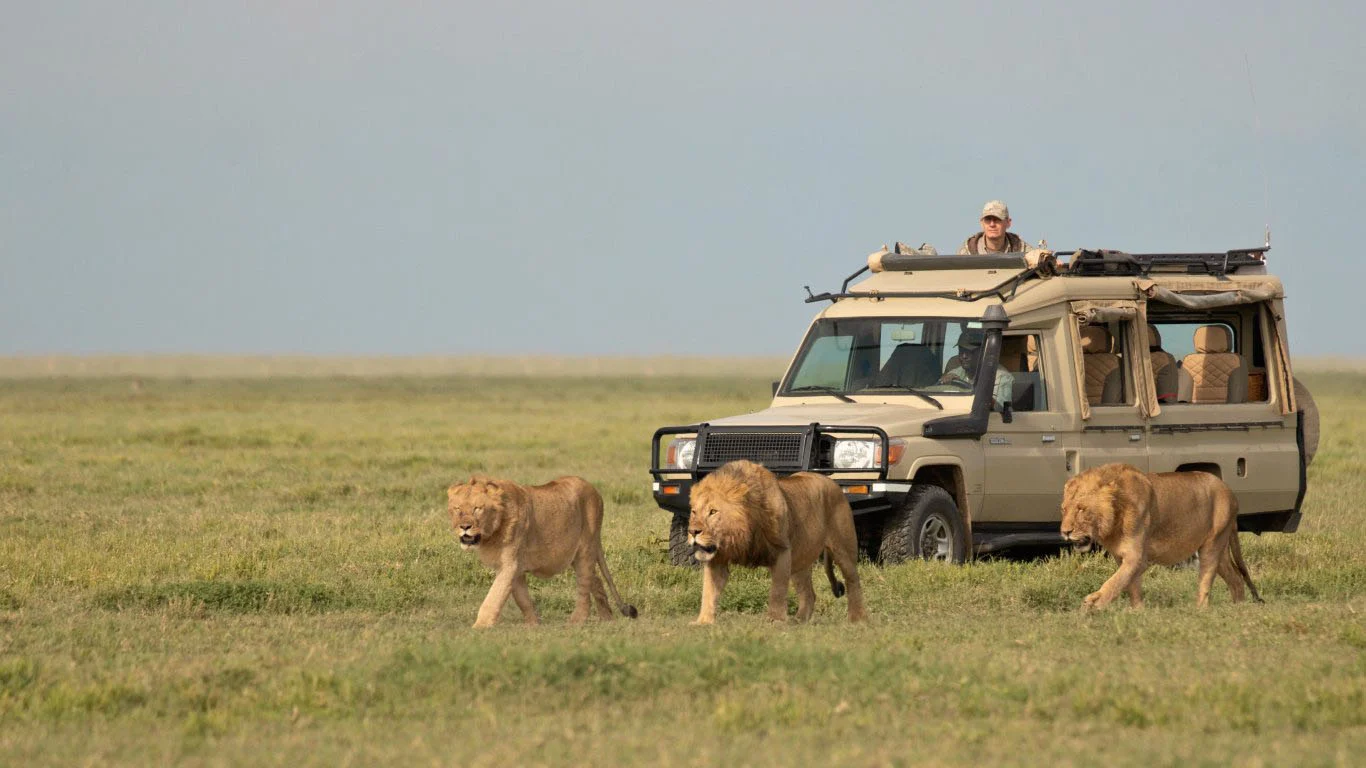

The best affordable Serengeti safari alternatives in Tanzania are Mikumi National Park (mini-Serengeti plains), Tarangire National Park (massive elephant herds), Lake Manyara National Park (tree-climbing lions), Ruaha National Park (remote predator action), and Nyerere National Park (boat and walking safaris). These options deliver similar Big Five wildlife and stunning landscapes at 30-60% lower cost than Serengeti packages—typically $700–$1,500 per person for 3–5 days versus $1,800–$3,000+ for Serengeti-focused trips—thanks to cheaper park fees, easier access, and budget accommodations. They’re ideal for international travelers seeking authentic experiences without the premium price tag.
For many travelers dreaming of an African safari, the Serengeti is the first place that comes to mind. It’s world-famous for the Great Migration, endless savannah landscapes, and dramatic predator sightings.
But there’s one challenge.
Serengeti safaris are expensive.
Park fees, flights to remote airstrips, and premium lodges can quickly push a Serengeti safari beyond many travel budgets.
The good news is that Tanzania offers several incredible safari destinations that deliver amazing wildlife experiences at a much lower cost.
Many seasoned safari travelers even prefer these parks because they offer:
- Fewer tourists
- Lower safari costs
- Unique landscapes
- Outstanding wildlife viewing
In this guide, you’ll discover:
- The best affordable Serengeti safari alternatives
- Which parks offer the best wildlife viewing
- How much these safaris typically cost
- The best time to visit each destination
- How to plan a budget safari in Tanzania
If you’re dreaming of a safari without the Serengeti price tag, this guide will help you choose the perfect alternative.
Why Are Travellers Looking for Serengeti Alternatives?
The question comes up constantly: “I want a Tanzania safari, but the Serengeti quotes I am seeing are way over my budget. What should I do?”
There are several very legitimate reasons why smart travellers look beyond the Serengeti:
- Cost: Serengeti National Park charges $70 per person per day in entrance fees for non-resident adults. Add a mid-range lodge at $300–$800 per night, and a 5-day Serengeti safari alone can push well past $3,000 per person before flights.
- Crowds: The northern circuit — Serengeti, Ngorongoro, Tarangire — is Tanzania’s most popular safari route. During peak season (June–October), you may share a lion sighting with eight other vehicles.
- Accessibility: Some travellers want more unusual, off-the-beaten-path experiences that feel genuinely wild rather than orchestrated.
- Itinerary diversity: Tanzania is vast. Limiting yourself to the Serengeti means missing two-thirds of the country’s remarkable wildlife landscape.
The good news: the alternatives in this guide are not second-best options. They are legitimate world-class safari destinations in their own right — they just happen to be less famous.
The 6 Best Affordable Serengeti Safari Alternatives in Tanzania
1. Tarangire National Park — Best for Elephant Lovers
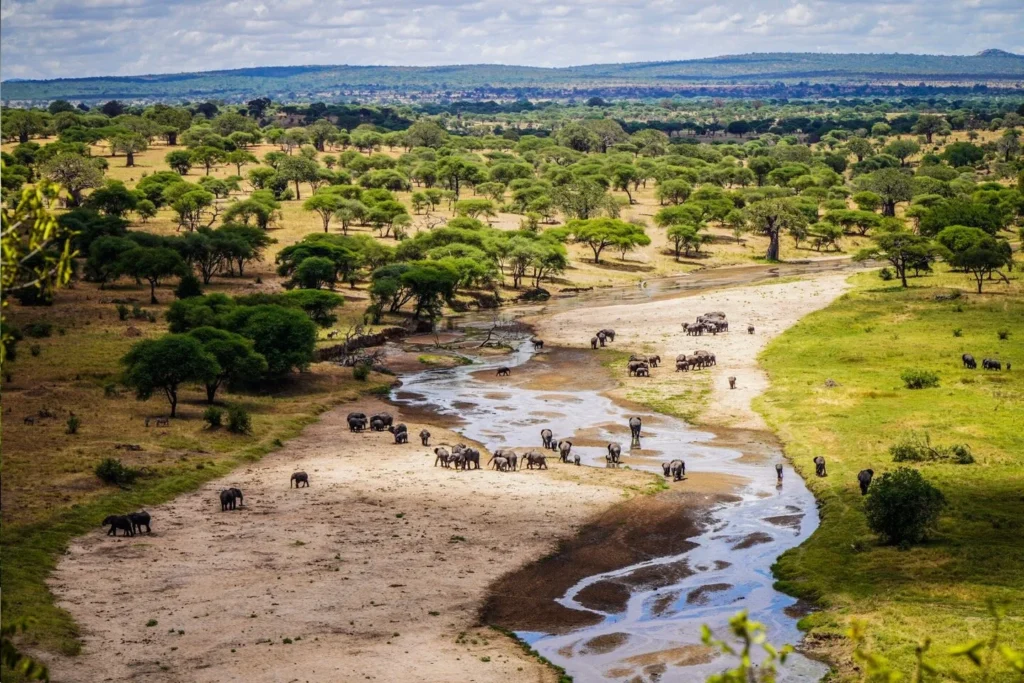
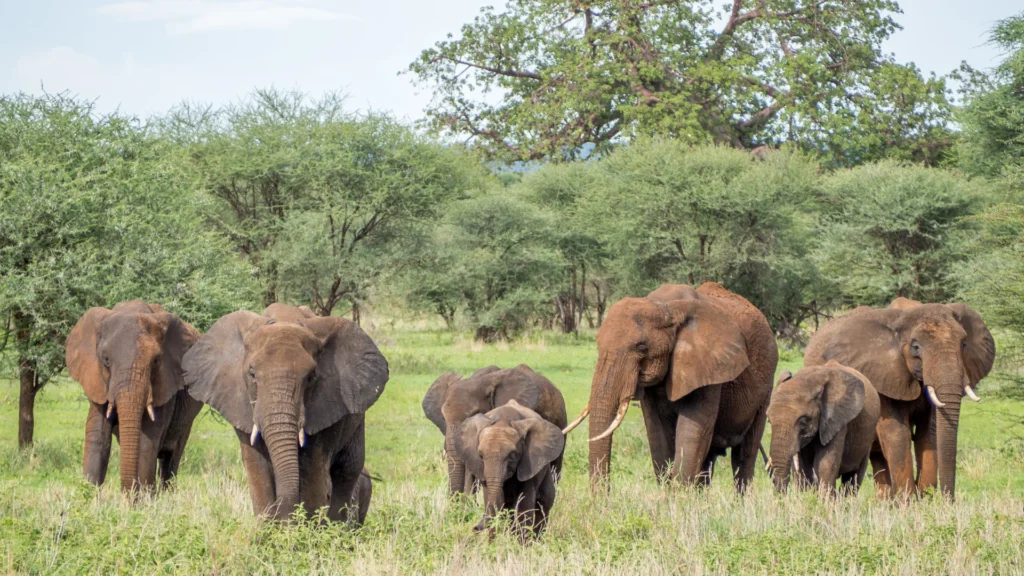
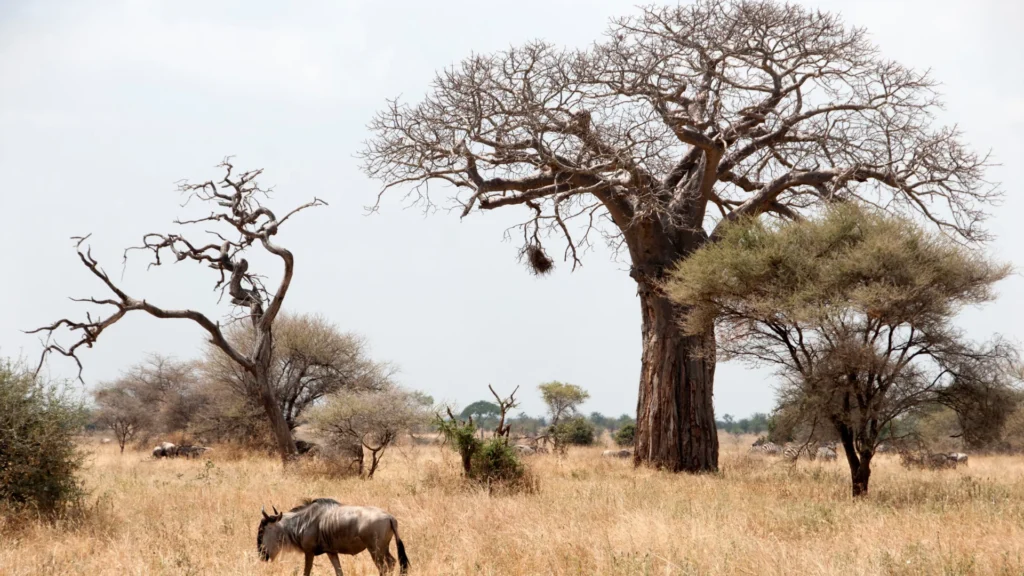
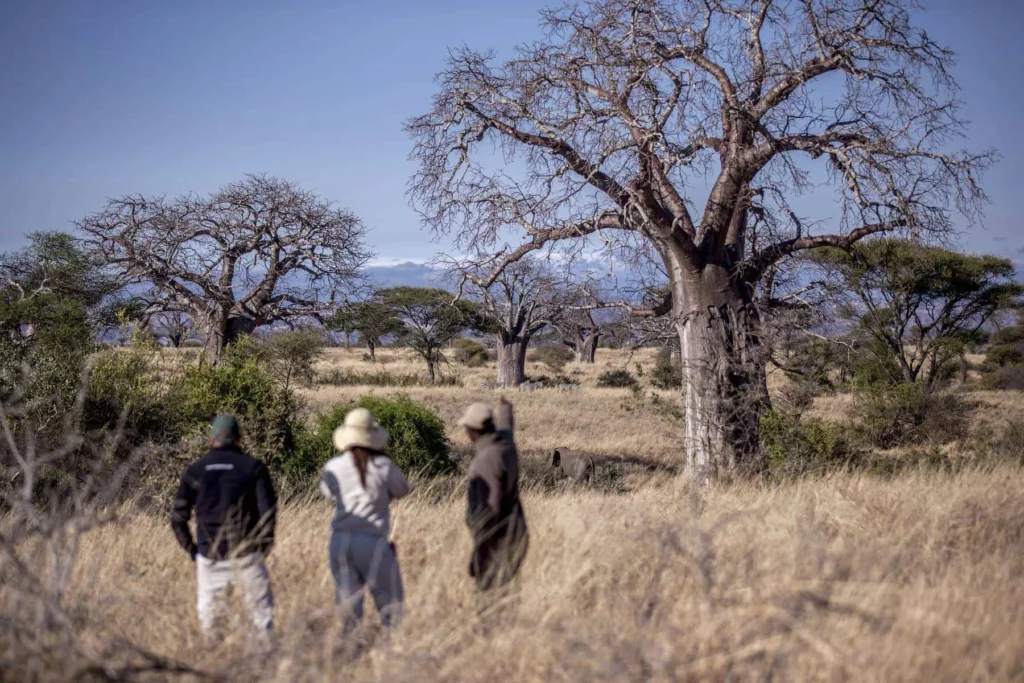
If you measure safari quality by the density and drama of elephant sightings, Tarangire is arguably better than the Serengeti. During the dry season (June–October), the Tarangire River becomes the only permanent water source for hundreds of kilometres. Animals converge in extraordinary numbers — herds of hundreds of elephants, lions, leopards, cheetahs, wildebeest, zebra, and over 550 recorded bird species, one of the highest counts of any park in Africa.
What makes it affordable: Tarangire’s entrance fee is $53.10 per person per day for non-resident adults, noticeably lower than the Serengeti’s $70. There is also a wider range of mid-range and budget lodge options in and around the park, including excellent camping facilities that put you right in the heart of the action.
Unique experience: Tarangire’s ancient baobab trees are unlike anything else in East Africa. They create a surreal, almost prehistoric landscape that many travellers find even more visually striking than the open Serengeti plains. Photographing elephants against a wall of 1,000-year-old baobabs is the kind of image that defines a safari.
Best time to visit: June to October for peak wildlife concentration. November to February offers lush green scenery, outstanding birdwatching, and significantly lower accommodation prices.
Practical tip from our team: Tarangire is often combined with Lake Manyara and Ngorongoro on budget northern circuit itineraries — giving you three distinct ecosystems for less than a standalone Serengeti trip. Our 4-day Tarangire, Ngorongoro, and Serengeti safari starts from $1,800 per person if you want to include both Tarangire and the Serengeti in one trip.
2. Lake Manyara National Park — Best for Budget Day Trips and Birdwatching

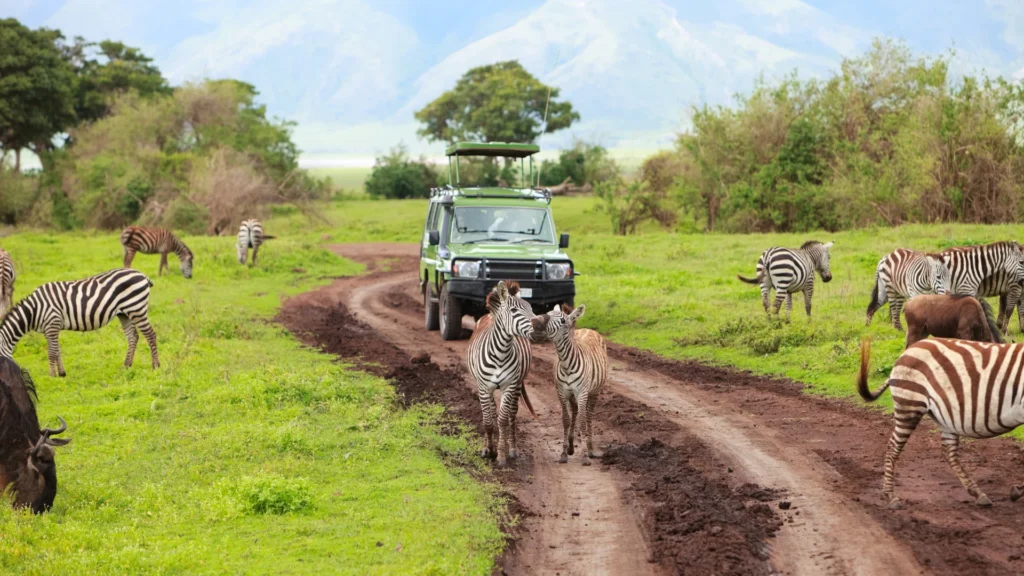


Lake Manyara may be Tanzania’s most underrated park. Tucked between a soaring escarpment and the alkaline waters of a Great Rift Valley lake, it packs an extraordinary variety of habitats into a relatively compact area — groundwater forest, acacia woodland, open floodplains, and the shimmering lake itself.
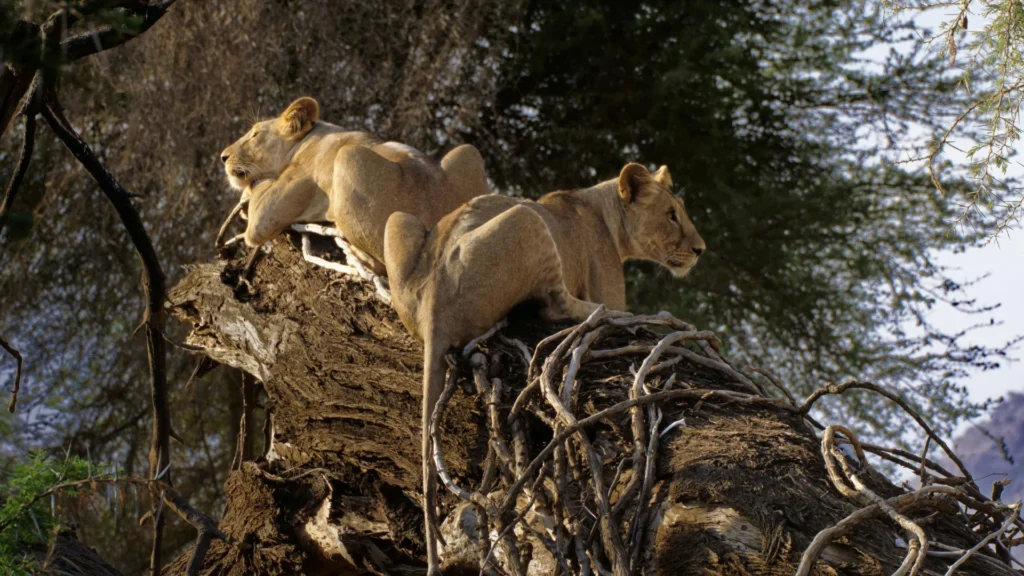
Lake Manyara is famous for its tree-climbing lions, a behaviour rarely observed elsewhere in Africa. The park is also home to vast flocks of flamingos on the lake shore, large elephant herds moving through the riverside forest, hippos lazing in the shallows, and more than 400 bird species — making it a genuine paradise for birders.
What makes it affordable: At $53.10 per day for non-resident adults, Manyara is one of Tanzania’s most accessible parks. It is also compact enough to see thoroughly in a single full day, making it a highly cost-efficient safari stop. Many travellers combine it with Tarangire or Ngorongoro to build a diverse 3–4 day itinerary without breaking the budget.
Unique experience: Watching a pride of lions perched high in fig trees while hippos grunt below them in the river is a scene you will not easily forget — and you are far more likely to have it entirely to yourself here than in the Serengeti.
If you are planning a northern circuit trip, explore our Lake Manyara Safari options for current pricing and itinerary ideas.
3. Nyerere National Park (Selous Game Reserve) — Best for Exclusive Wilderness

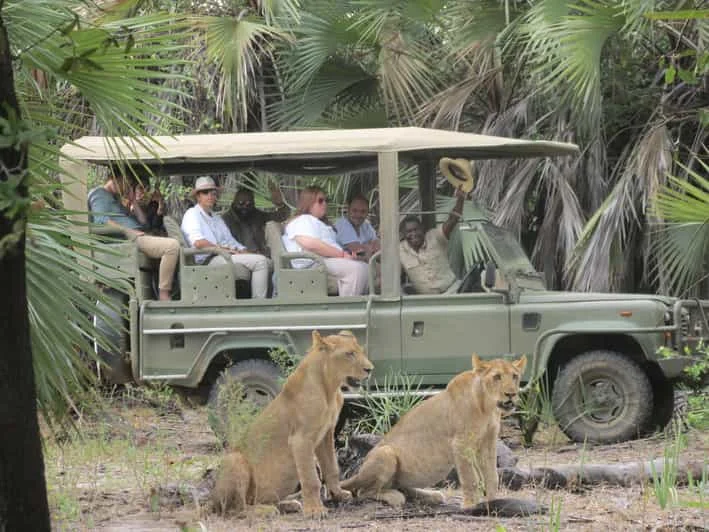
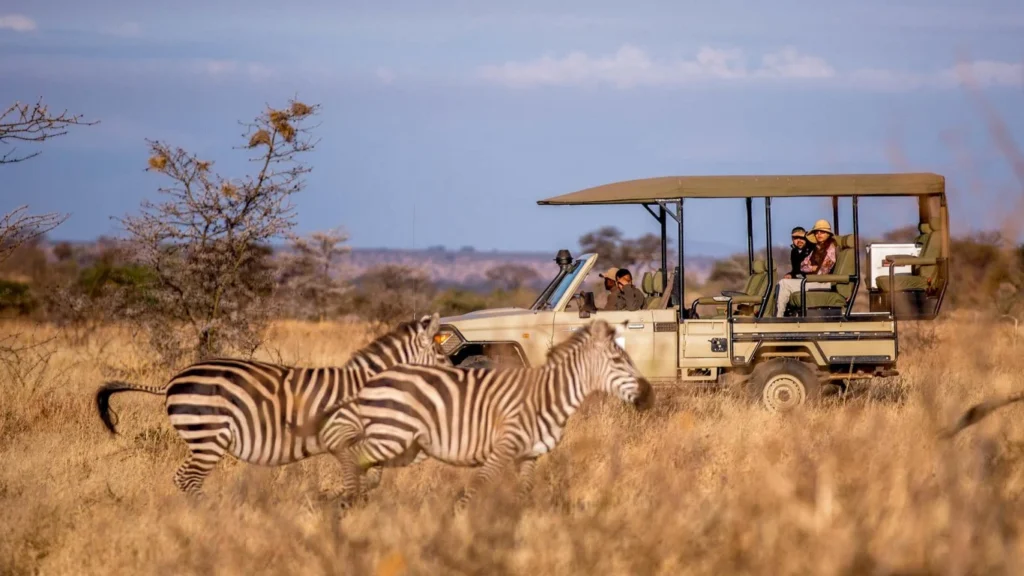
Nyerere National Park — still widely known by its former name, the Selous Game Reserve — is one of the largest protected areas in Africa, covering approximately 50,000 square kilometres of remote southern Tanzania. To put that in perspective: it is larger than Switzerland. It is also a UNESCO World Heritage Site.
Despite its size and extraordinary wildlife, Nyerere receives a fraction of the visitors that the northern circuit parks attract. This means genuinely wild, remote safari experiences where you may spend an entire day in the bush without seeing another tourist vehicle — something that is essentially impossible in the Serengeti during peak season.
What makes it special: Nyerere supports Africa’s largest populations of elephants, hippos, Nile crocodiles, and African wild dogs — one of the continent’s most endangered carnivores and one of its most thrilling animals to observe. It is also one of the few parks in Tanzania offering boat safaris along the Rufiji River, a completely different and deeply atmospheric way to view wildlife that simply does not exist inside the Serengeti.
What makes it affordable: Nyerere’s park fees are $29 per person per day for non-resident adults — less than half the Serengeti rate. The combination of its remote location and lower visitor numbers means mid-range lodges offer extremely competitive rates, especially in the shoulder months of March–May and November.
Best time to visit: June to October for optimal game viewing and dry-season wildlife concentration. The boat safari experience on the Rufiji River is exceptional year-round.
Southern circuit tip: Combining Nyerere with Ruaha National Park gives you one of the most diverse and least-crowded safari experiences in all of East Africa — at a total cost significantly lower than a standard Serengeti itinerary. Our team has done this route countless times and it never disappoints.
4. Ruaha National Park — Best for a True Wilderness Adventure
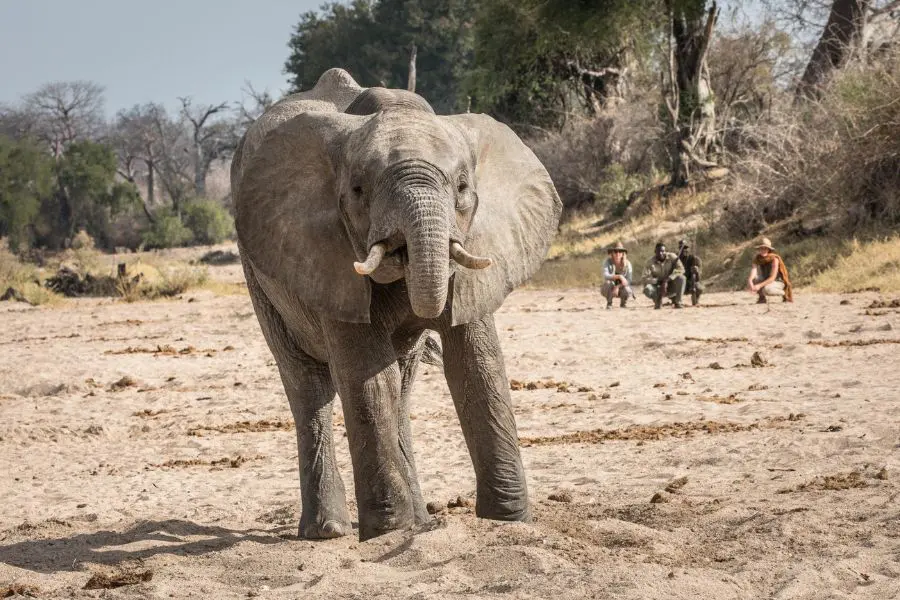

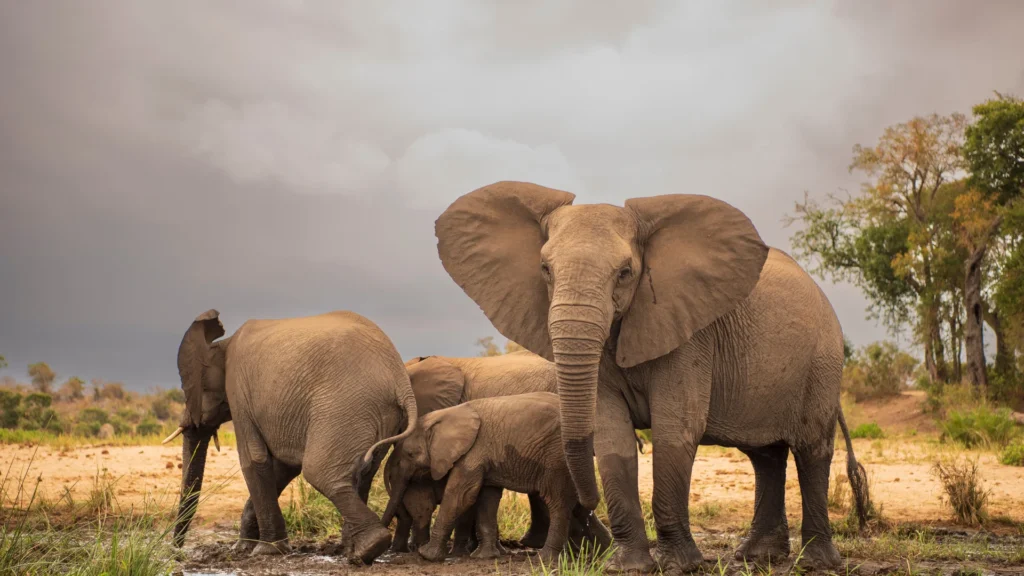
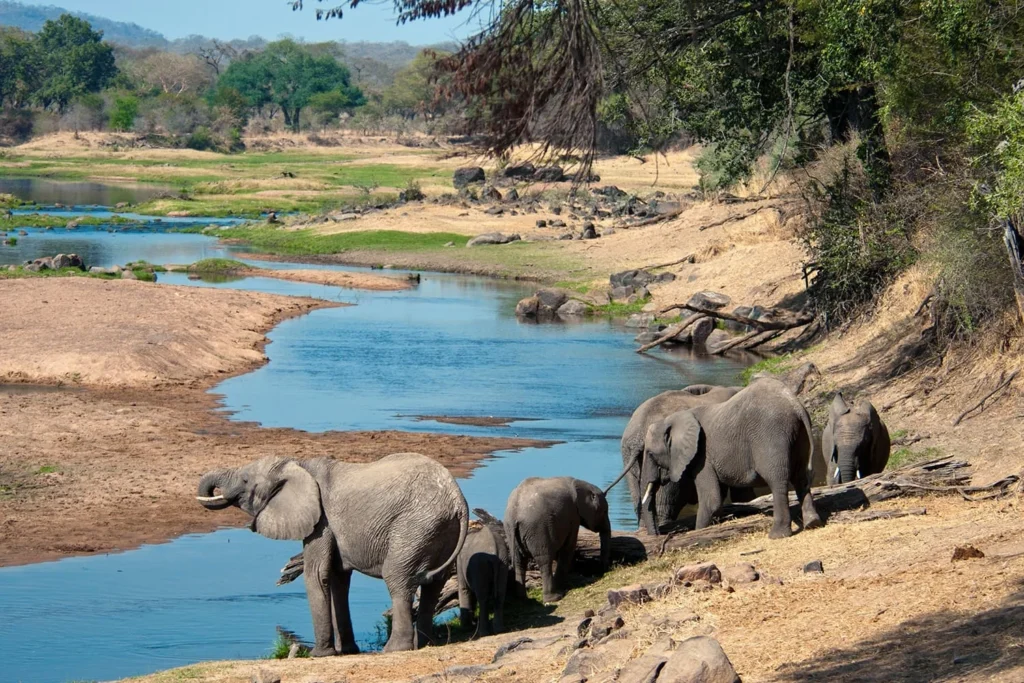
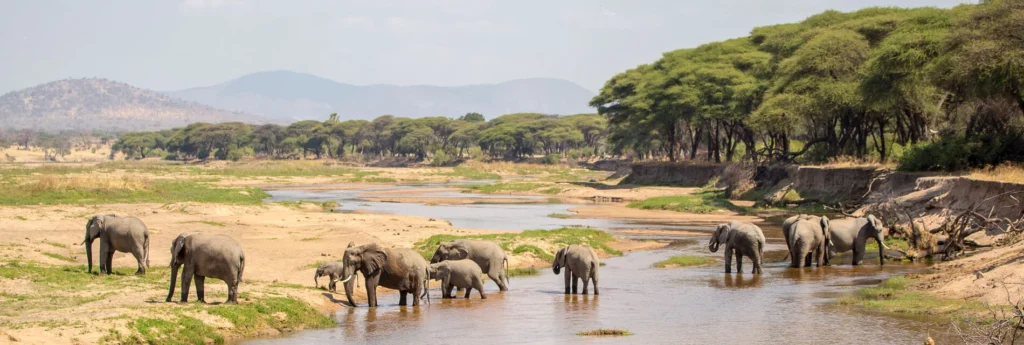
Ruaha is Tanzania’s largest national park and one of the best-kept secrets in African safari travel. Situated in the remote highlands of central Tanzania, it covers over 20,000 square kilometres of miombo woodland, riverine forest, and open grassland — a landscape that feels ancient, dramatic, and entirely untamed.
Ruaha is exceptional for big cats. The park supports Tanzania’s largest lion population, along with leopards, cheetahs, and African wild dogs. Its elephant herds are enormous — sometimes numbering in the hundreds. The Great Ruaha River, which cuts through the park’s heart, provides year-round water and a reliable focal point for extraordinary wildlife gatherings during the dry season.
What makes it affordable: Ruaha’s park fee is $29 per person per day for non-residents. Because it sees far fewer visitors than the northern circuit parks, lodges and camps offer more competitive pricing and genuine value for money, especially during the low season (November–May).
Unique experience: Walking safaris are permitted in Ruaha — a level of immersive wildlife experience that is simply not available inside the Serengeti. Walking through the bush with an armed ranger, tracking lion spoor and reading the landscape at ground level, is a profoundly different kind of safari that many experienced travellers rate above any game drive. If you have done the Serengeti before and want something deeper and rawer, Ruaha is the answer.
5. Mikumi National Park — Best for Budget Travellers and First-Time Safari Visitors
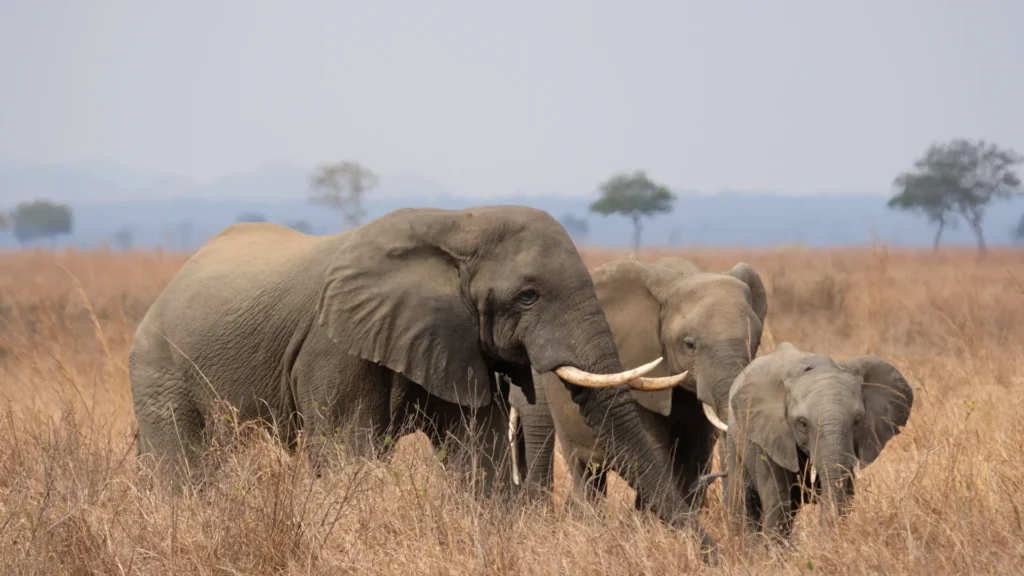
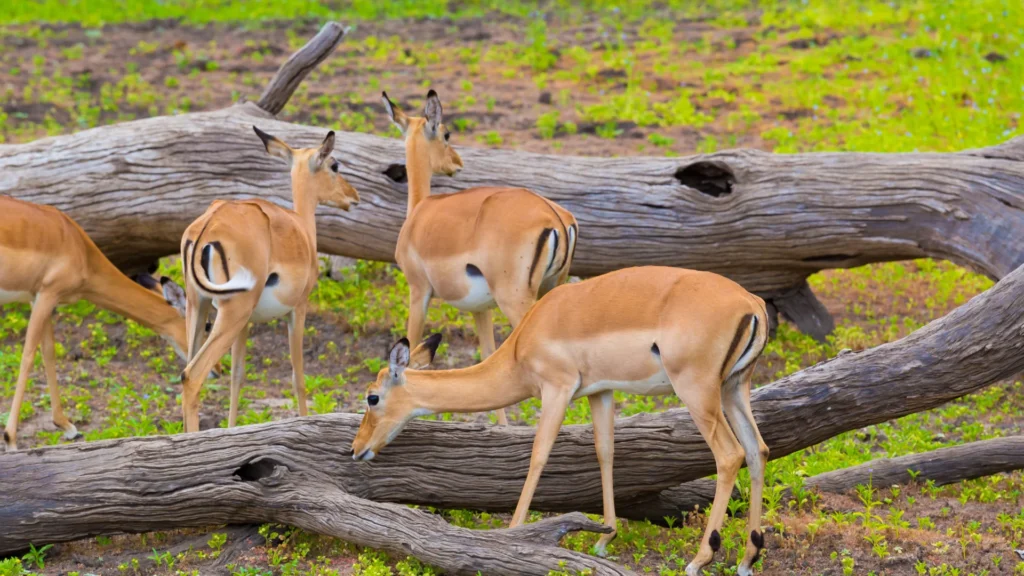
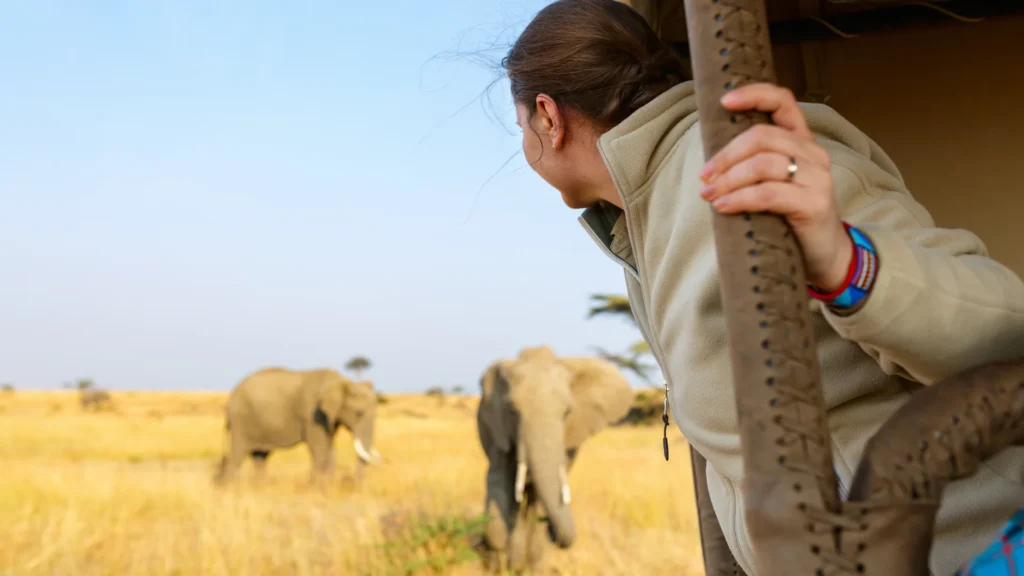
Mikumi is Tanzania’s fourth-largest national park and its most physically accessible. Sitting just 283 kilometres from Dar es Salaam along the main tarmac highway, it requires no internal flight and no long overland journey — making it the most straightforward and cost-effective park to reach from the commercial capital.
The Mkata Floodplain at Mikumi’s heart offers open-savannah game viewing genuinely reminiscent of the Serengeti — large herds of buffalo, elephant, zebra, wildebeest, impala, and giraffe, with the full range of predators including lion, leopard, and spotted hyena. The park connects directly to Nyerere in the south, allowing extended southern circuit itineraries.
What makes it affordable: Lower entrance fees ($35 per adult per day), zero internal flight cost from Dar es Salaam, and a strong range of budget to mid-range accommodation options make Mikumi the most accessible introduction to Tanzanian safari for travellers on tighter budgets.
Best for: First-time safari visitors, travellers based in Dar es Salaam, weekend safari breaks from the city, and budget travellers who want genuine open-savannah wildlife without the full northern circuit price tag.
Explore our Mikumi National Park Safari packages for options and pricing.
6. Ngorongoro Conservation Area — Best for a Compact, Iconic Experience

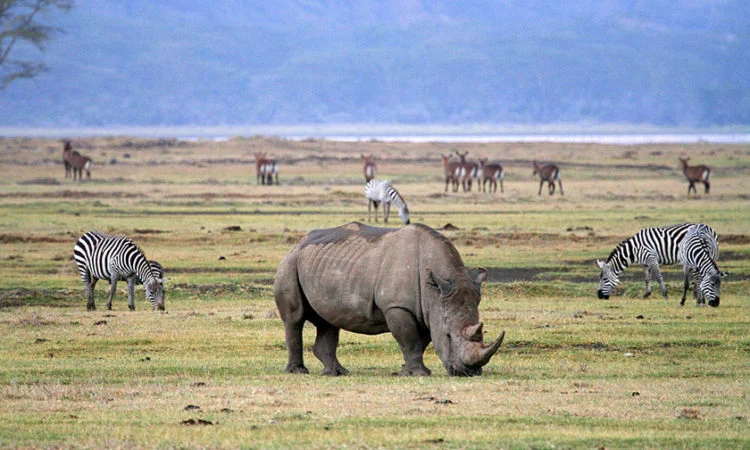
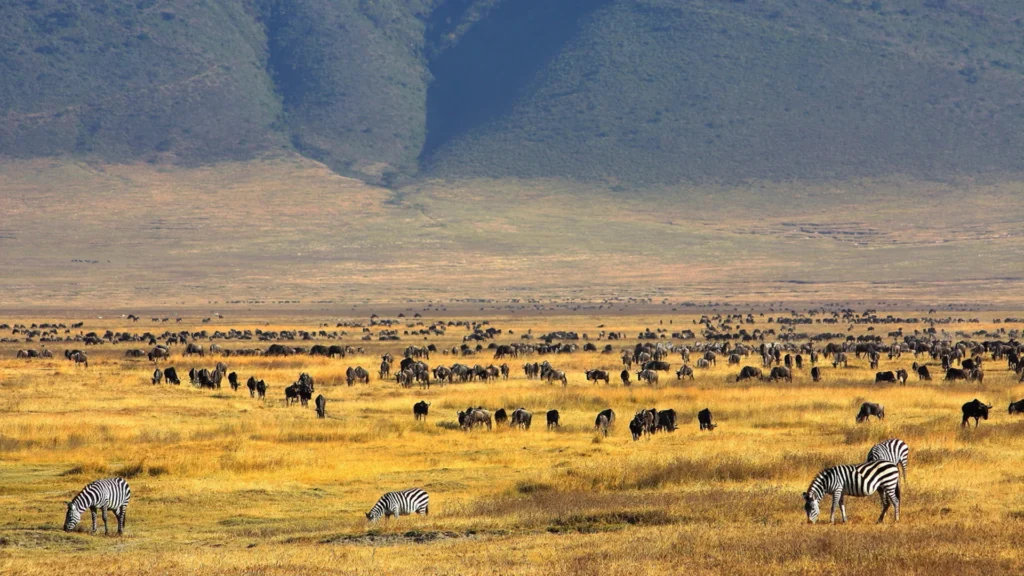

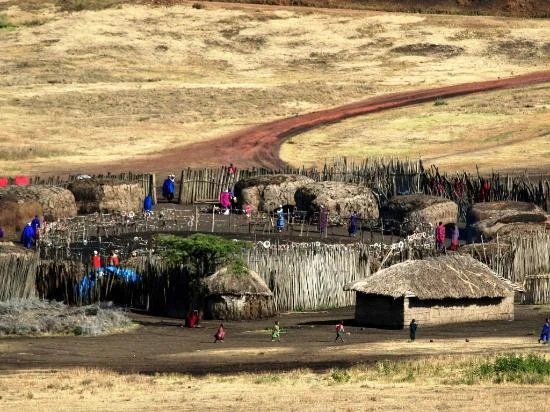
Ngorongoro is already on most Tanzania itineraries, but it is often overlooked as a standalone destination in its own right. The Ngorongoro Crater is the world’s largest intact volcanic caldera, and its 260 square kilometre floor is home to one of Africa’s densest concentrations of wildlife — including a stable resident population of black rhino, one of the rarest animals on Earth.
Because the crater walls keep most animals year-round, Ngorongoro delivers consistently excellent game viewing regardless of season. You do not need to time your visit around migrations or water sources — the wildlife is simply always there.
What makes it a smart Serengeti alternative: A day in the Ngorongoro Crater carries a $70.10 conservation fee, broadly similar to the Serengeti. But because the crater is compact and wildlife concentration is extremely high, a single-day visit can deliver as many memorable sightings as a multi-day Serengeti safari. For travellers short on time or budget, the sheer efficiency of Ngorongoro is hard to beat.
Our 3-day Ngorongoro Crater Rim Walk and Empakaai Crater Hike from $2,000 per person is a uniquely active way to experience the greater Ngorongoro highlands beyond the standard crater floor drive.
Quick Comparison: Serengeti vs Affordable Alternatives
| Park / Reserve | Park Fee (Adult/Day) | Crowd Level | Signature Experience |
|---|---|---|---|
| Serengeti NP | $70.00 | High | Great Migration, Big Five |
| Tarangire NP | $53.10 | Moderate | Elephant herds, baobabs, 550+ birds |
| Lake Manyara NP | $53.10 | Low–Moderate | Tree-climbing lions, flamingos |
| Nyerere NP (Selous) | $29.00 | Very Low | Boat safari, wild dogs, true wilderness |
| Ruaha NP | $29.00 | Very Low | Lions, walking safari, remote landscape |
| Mikumi NP | $35.00 | Low | Accessible savannah, first-timer friendly |
| Ngorongoro CA | $70.10 | Moderate | Black rhino, year-round dense wildlife |
How Much Does an Affordable Serengeti Alternative Safari Actually Cost?
One of the most common questions we receive at Affordable International Travel Ltd is a simple one: “What is a realistic budget for a Tanzania safari if I skip the Serengeti?”
Here is an honest breakdown.
Budget Safari (Camping / Basic Accommodation)
- Park fees: $29–$53 per person per day
- Accommodation: $50–$120 per person per night (public campsites, budget guesthouses adjacent to parks)
- Game drive 4WD vehicle and driver-guide: included in package
- Estimated 5-day total (per person): $1,200–$1,800
Mid-Range Safari (Comfortable Lodges and Tented Camps)
- Park fees: $29–$70 per person per day
- Accommodation: $150–$350 per person per night (mid-range lodges and permanent tented camps)
- Game drive 4WD vehicle and driver-guide: included in package
- Estimated 5-day total (per person): $2,000–$3,500
What Is Included in a Package from Affordable International Travel Ltd?
Every safari package we offer includes:
- All park and conservation area entrance fees
- Airport and hotel transfers
- All game drives in a 4WD safari vehicle with pop-up roof
- Experienced, English-speaking, licensed driver-guide
- Full-board accommodation (breakfast, lunch, and dinner)
- Bottled water throughout
- All government taxes
We believe in complete transparency. Every quote is fully itemised — no hidden fees, no surprises at checkout. Request your free safari quote here.
When Is the Best Time to Visit Tanzania’s Alternative Safari Parks?
Dry Season: June to October (Peak Wildlife Viewing)
This is the best time to visit most of Tanzania’s parks for maximum wildlife concentration. Animals gather around remaining water sources, vegetation is low, tracks are navigable, and sightings are frequent and dramatic. This applies especially to Tarangire, Ruaha, and Nyerere, where the dry season dramatically amplifies wildlife density along the rivers.
Green Season: November to May (Lower Prices, Lush Scenery)
The short rains (November) and long rains (March–May) bring Tanzania’s parks to life with brilliant green vegetation, dramatic skies, and newborn animals everywhere. Lodges typically offer 30–50% lower rates during this period. Birdwatching is exceptional from November through April when migratory species from Europe and northern Africa are present.
For Mikumi and Ngorongoro, game viewing is good year-round due to their reliable permanent water and dense resident wildlife populations.
Seasonal Quick-Reference Guide
| Park | Best Dry Season Months | Best Wet Season Months |
|---|---|---|
| Tarangire NP | June – October | November – February (birds) |
| Lake Manyara NP | June – October | November – April (flamingos) |
| Nyerere NP | June – October | December – March (green, excellent value) |
| Ruaha NP | June – October | November – February |
| Mikumi NP | June – October | Year-round (accessible by road) |
| Ngorongoro CA | Year-round | December – February (calving season) |
7 Expert Tips for Booking an Affordable Tanzania Safari
After years of helping international travellers plan Tanzania safaris, our team has learned what separates a great-value safari from a disappointing one. Here are seven tips that will save you money without costing you experience:
1. Travel in the shoulder season. Late May, early June, and late October typically offer dry-season game viewing quality with lower rates than the July–September peak. It is the sweet spot.
2. Combine parks strategically. A Tarangire + Lake Manyara + Ngorongoro itinerary gives you three distinct ecosystems and wildlife experiences for less than a comparable standalone Serengeti trip.
3. Book directly with a local operator. International booking platforms add significant margin at every layer. Booking directly with a reputable Tanzanian operator like Affordable International Travel Ltd cuts out the middlemen and ensures more of your money benefits local communities, guides, and park conservation funds.
4. Ask about group departures. If you are a solo traveller or a couple, joining a small group departure can reduce per-person costs significantly without compromising service quality or safari intimacy.
5. Consider camping. Tanzania’s public campsites inside national parks are affordable and genuinely immersive. Waking up at 5am to hyenas calling outside your tent is a safari experience no four-star lodge can replicate — and it costs a fraction of the price.
6. Be honest about your wildlife priorities. If your singular goal is to witness the Great Wildebeest Migration, you need the Serengeti between July and September. But if you want Big Five sightings, enormous elephant herds, dramatic landscapes, and authentic bush experiences, every park in this guide will absolutely deliver — often better than the Serengeti does in the shoulder months.
7. Verify current park fees before booking. Tanzania’s Tanzania National Parks Authority (TANAPA) adjusts its fee structure periodically. Always confirm current rates with your operator rather than relying on outdated information online.
If you are ready to start planning, talk to a safari expert at Affordable International Travel Ltd — we will build you an itinerary that makes the most of your budget.
Why Trust Our Safari Recommendations?
Affordable International Travel Ltd is a 100% Tanzanian-owned and operated safari company, affiliated with recognised global tourism bodies. Our team of driver-guides and trip planners were born and raised in Tanzania. We have spent years in these parks across all seasons, all budgets, and with clients from every corner of the world.
We do not recommend parks we have not driven through ourselves. Every destination in this guide is one our guides visit regularly. We know the best tracks for lion sightings in Ruaha in August. We know which campsites in Tarangire put you closest to the elephant herds at dusk. We know which months Nyerere’s Rufiji River is most spectacular for hippo and crocodile boat safaris.
When you plan a safari with us, you are not booking a package designed in an overseas office by someone who has never left the city. You are getting advice from people who are in these parks every single week.
Our safaris start from $700 per person for a 2-day Tarangire and Lake Manyara combination and our most popular 5-day itineraries cover some of Tanzania’s finest wildlife territory from $2,000 per person, fully inclusive.
Frequently Asked Questions
Can I see the Big Five without going to the Serengeti?
Yes, absolutely. Tanzania’s Big Five — lion, leopard, elephant, buffalo, and rhinoceros — can be found across multiple parks beyond the Serengeti. Ngorongoro Crater is home to all five, including one of Tanzania’s most reliable resident black rhino populations. Tarangire, Ruaha, and Nyerere all offer excellent lion, leopard, elephant, and buffalo sightings throughout the year. If black rhino is a priority, Ngorongoro is your strongest bet outside the Serengeti.
Is Tarangire National Park cheaper than the Serengeti?
Yes, on park fees alone Tarangire is cheaper — $53.10 per adult per day versus $70 for the Serengeti. Accommodation costs are also generally lower, and the concentration of wildlife during the dry season (June–October) is genuinely extraordinary, particularly for elephants, birds, and big cat encounters. Many experienced safari-goers actually prefer Tarangire’s atmosphere and density to the Serengeti, especially during peak tourist months when the Serengeti’s more famous sightings are shared with many other vehicles.
What is the cheapest Tanzania national park to visit?
Nyerere National Park (formerly Selous) and Ruaha National Park both charge $29 per adult per day in entrance fees, making them Tanzania’s most affordable major parks. When you factor in lower accommodation costs in these remote southern parks and the dramatic reduction in visitor numbers, they represent outstanding value. Mikumi is also very cost-effective at $35 per day and — uniquely — requires no internal flight to reach from Dar es Salaam.
What wildlife can I find in Tanzania’s alternative parks that I cannot see in the Serengeti?
Several species and experiences are actually better — or exclusive — to Tanzania’s alternative parks. African wild dogs are most reliably seen in Nyerere and Ruaha, not the Serengeti. Tree-climbing lions are a Lake Manyara speciality. Greater kudu, sable antelope, and roan antelope are found in Ruaha and Nyerere but are very rarely seen in the Serengeti ecosystem. Nyerere offers boat safaris on the Rufiji River — a form of wildlife viewing simply unavailable in the Serengeti. And Tarangire’s ancient baobab forests are among the most photogenic landscapes in Africa.
How long do I need for a good Tanzania safari in one of these parks?
A minimum of three full days inside any single park gives you a meaningful, rewarding experience with genuine time to explore different areas and habitats. Most experienced travellers recommend four to six days for a combination of two parks. For southern Tanzania — combining Nyerere and Ruaha — the travel distances involved make a minimum of five to seven days ideal to justify the journey. Lake Manyara is compact enough to cover very well in a single full day, making it the perfect addition to a multi-park northern circuit itinerary rather than a standalone trip.
Conclusion
The Serengeti will always be iconic—but it’s no longer the only way to experience Tanzania’s wildlife magic. With affordable alternatives like Mikumi, Tarangire, Lake Manyara, Ruaha, and Nyerere, you can enjoy breathtaking game drives, incredible sightings, and authentic adventures while keeping your budget intact (and often adding extra days or activities).
At Affordable International Travel Ltd, we’ve built our reputation on making these experiences accessible, safe, and unforgettable for travelers just like you. From first-time safari-goers to seasoned explorers, our local team ensures every detail is perfect.
Ready to start planning your dream Tanzania safari without the Serengeti premium? Drop us a message, request a free personalized quote, or browse our ready packages today. Your African adventure is closer—and more affordable—than you think.
Let’s make it happen. Talk to a safari expert now → Contact Us
Safe travels, and we can’t wait to welcome you to Tanzania!