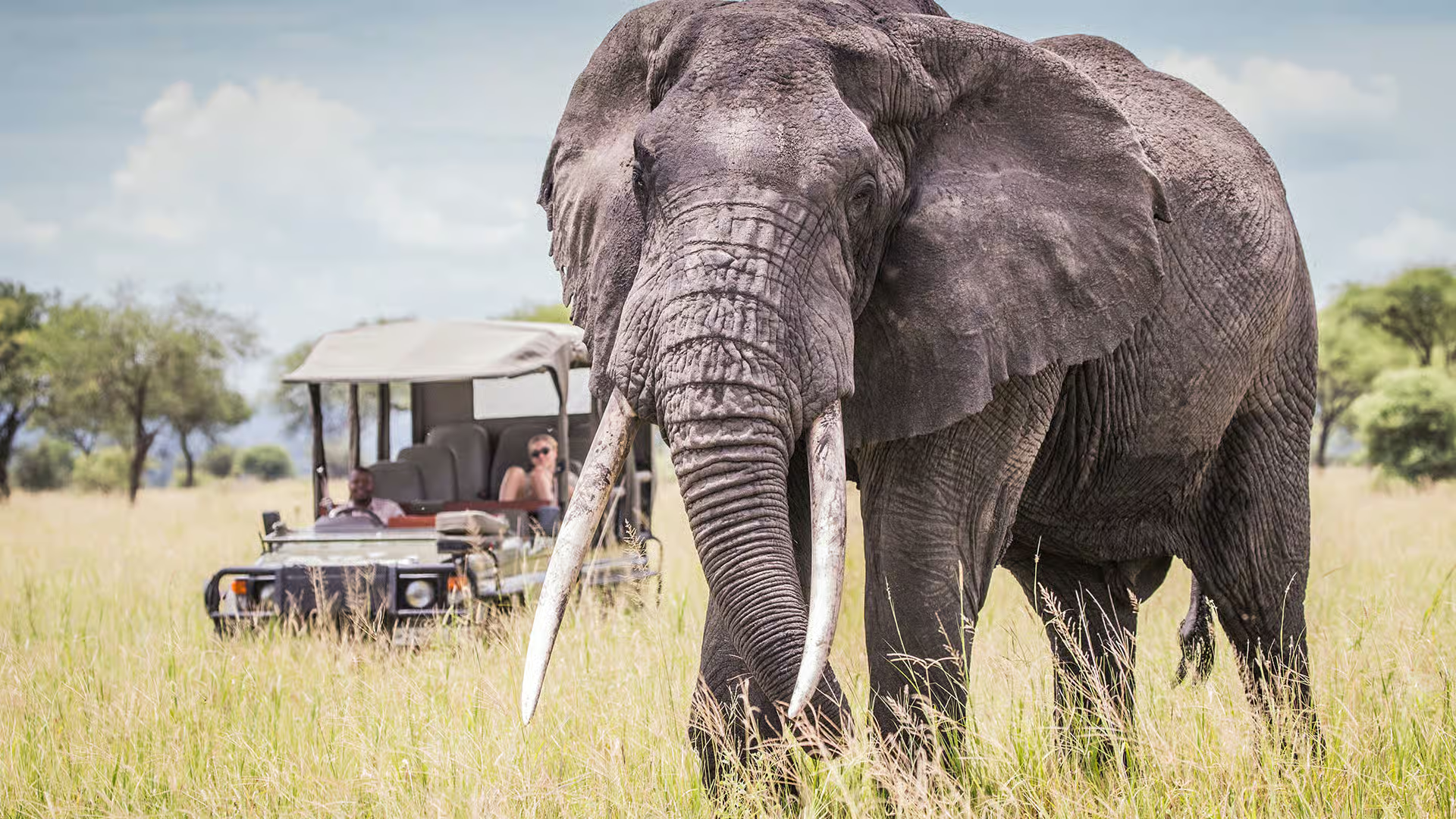

Yes, an affordable safari in Tanzania is absolutely worth it. Budget-friendly safaris covering parks like the Serengeti and Ngorongoro Crater deliver the same wildlife — lions, elephants, the Big Five — at a fraction of luxury prices.
Starting from around $150–$300 per person per day, you can experience world-class game drives, professional guides, and real African wilderness without compromising the essence of the experience.
Bar chart comparing Tanzania safari cost tiers: budget, mid-range, and luxury, shown as daily cost per person in USD
Cost per person per day (USD) · All-inclusive except international flights & visa
You’ve seen the images: a lioness at golden hour, a river crossing of ten thousand wildebeest, an elephant silhouetted against the Serengeti sky. Tanzania sits at the top of every wildlife bucket list on the planet — and for good reason.
But the moment you start researching prices, a quiet doubt creeps in: Is a budget Tanzania safari going to be a watered-down version of the real thing? Will I feel like I compromised?
This guide cuts through that anxiety. We’ll show you exactly what an affordable Tanzania safari includes, where the real value lies, what corners to avoid cutting, and how to book smart. By the end, you’ll have a clear picture of whether a budget-friendly safari matches what you’re looking for — and how to find one that doesn’t disappoint.
What Does “Affordable” Actually Mean for a Tanzania Safari?
An affordable safari in Tanzania is not a cheap knock-off. It’s a carefully structured trip that prioritises wildlife access, professional guiding, and safety — while using camping or budget lodges instead of five-star tented suites.
The wildlife you encounter is identical. A lion doesn’t care whether you’re in a $150-a-night lodge or a $1,500 one. Both vehicles share the same park roads, the same game-drive windows, and the same spectacular sunrises over the savannah. What differs is thread count, menu options, and private pool access.
What’s Typically Included
Most affordable Tanzania safari packages from a quality operator include:
- Transport in a 4×4 safari vehicle with a pop-up roof and a certified professional guide
- Park entry fees — which are non-negotiable and the same for every visitor, regardless of budget tier
- Accommodation — either public campsite camping or budget-friendly lodges just outside or within the parks
- Meals and drinking water throughout the trip
- Game drives following professionally planned routes through prime wildlife zones
Flights, visa fees (currently $50 USD for most nationalities), gratuities, and optional extras like a Serengeti hot-air balloon ride are typically excluded. You can browse the full range of affordable Tanzania safari packages to see exactly what each itinerary covers.
What’s Not Compromised
When you travel with a licensed, reputable local operator, you are not compromising on:
- The parks themselves (Serengeti, Ngorongoro, Tarangire, Lake Manyara)
- Guide knowledge and experience
- Vehicle safety and roadworthiness
- Park regulations and ethical wildlife behaviour
- Your personal security throughout the trip
How Much Does a Budget Safari in Tanzania Actually Cost?
Understanding Tanzania safari pricing requires separating the tiers clearly. Based on current 2026 market rates:
| Safari Type | Cost Per Person Per Day | What’s Typical |
|---|---|---|
| Budget (camping/basic lodge) | $150–$300 | Shared group vehicle, public campsites or simple lodges, full board |
| Mid-range (comfortable lodges) | $350–$600 | Private or small-group vehicle, en-suite lodges within or near parks |
| Luxury (premium tented camps) | $600–$1,500+ | Private guide, fly-in transfers, exclusive camps, gourmet dining |
For a 5-day budget group safari covering Lake Manyara, Serengeti, and Ngorongoro Crater, expect to pay roughly $900–$1,500 per person all-inclusive (excluding international flights). A 7-day itinerary typically runs $1,200–$2,100 per person.
Prices drop significantly when you:
- Travel as a group of four or more — vehicle and guide costs are shared
- Book during shoulder or green season (March–May or November) — rates can fall 30–40% below peak prices
- Choose a locally-operated tour company — international booking agents often add a 30–100% markup for the same on-the-ground service
- Opt for camping over lodge accommodation — this alone cuts nightly costs substantially
The 2-day Lake Manyara and Ngorongoro Crater Safari from International Affordable Travel starts from just $700 per person — an accessible entry point for first-time safari travellers.
Is the Wildlife Experience the Same on a Budget Safari?
This is the question that matters most, and the honest answer is: mostly yes, with one meaningful caveat.
Tanzania’s national parks are managed by the Tanzania National Parks Authority (TANAPA), which sets identical regulations and entry fees for every safari vehicle, regardless of budget tier.
TANAPA manages 22 national parks covering approximately 99,306 square kilometres — including the world-famous Serengeti, which TripAdvisor has recognised as the best national park on the planet.
Every vehicle on a game drive operates under the same rules. You access the same territories, the same game-viewing circuits, and the same extraordinary wildlife populations.
The one genuine difference: group safaris may have 6–7 travellers in one vehicle rather than the exclusive 2–4 found on premium private safaris.
This means fewer stops for extended personal sightings, and slightly less flexibility in your daily schedule. But it doesn’t prevent seeing lions, leopards, elephants, and the wildebeest migration. Thousands of budget safari travellers encounter the Big Five every month in Tanzania.
Where Budget Really Shines
Certain experiences offer exceptional value at the budget end:
- Serengeti National Park — The migration and predator density are so high that budget vehicles consistently produce extraordinary sightings
- Ngorongoro Crater — Contained in a 260 km² caldera, wildlife density here is among the highest in Africa, regardless of budget
- Tarangire National Park — Less crowded than the Serengeti, with enormous elephant herds and spectacular baobab landscapes
- Lake Manyara — Famous for tree-climbing lions and vast flamingo flocks, and extremely accessible from Arusha
What Are the Real Risks of a Budget Safari?
Affordable does not mean risk-free. There are legitimate pitfalls to avoid, and knowing them in advance protects your investment and your experience.
The “Ultra-Cheap” Trap
Safari packages priced at under $100 per person per day are almost always too good to be true. Common cost-cutting tactics that hurt the experience include:
- Overloaded vehicles with 8+ passengers
- Inexperienced or uncertified guides who lack wildlife knowledge
- Poor vehicle maintenance — breakdowns in remote parks are a genuine safety concern
- Skipping key parks or replacing them with lower-fee alternatives without telling you
- Hidden costs that inflate the final bill after you’ve paid a deposit
The fix is straightforward: book with a licensed operator registered with the Tanzania Tourism Board, verify vehicles and guide credentials before confirming, and read independent reviews on TripAdvisor or Google.
What to Check Before Booking
Before you confirm any affordable Tanzania safari, verify these five things:
- Operator licence — they should hold a valid Tanzania Tourism Board (TTB) registration
- Vehicle condition — ask for photos or video of the actual safari 4×4
- Guide certification — guides should hold a Tanzania Professional Driving Tourist Guide Licence
- Park fee inclusion — confirm park fees are included in the quoted price, not added later
- Clear cancellation policy — legitimate operators have written policies before you pay
International Affordable Travel is a 100% locally operated, Tanzanian-owned company affiliated with recognised global tourism bodies — meaning your money stays in Tanzania, your guide knows the land intimately, and there are no middlemen inflating the price.
Camping vs Lodge: Which Is Better for a Budget Safari?
Both have real merit depending on your priorities. Here’s how they compare honestly:
Camping Safaris
Camping safaris in Tanzania use public campsites inside or adjacent to national parks. You’ll sleep in a tent, use shared facilities, and eat meals prepared by your safari cook.
Advantages:
- Lowest cost option — often 30–50% cheaper than lodge alternatives
- Deeper immersion — hearing the sounds of the bush at night, seeing the Milky Way from your tent door
- Greater flexibility — camping allows access to some remote areas closed to lodge-based travellers
- Authenticity — this is how experienced bush travellers explore Africa
Limitations: Shared bathroom facilities, less comfortable in heavy rain, and requires some tolerance for basic conditions.
Budget Lodge Safaris
Tanzania lodge safaris at the budget tier use simple en-suite rooms or tented bungalows typically positioned near park gates. Meals are included and usually excellent.
Advantages:
- Private bathrooms and reliable running water
- Beds and proper furniture — better rest after long game drives
- More appropriate for families, older travellers, or those new to Africa
Limitations: Slightly higher cost, and lodge-only routes sometimes miss the most remote wildlife zones.
Many first-time safari travellers start with a lodge-based option and convert to camping for their second trip once they know what to expect. Both deliver the wildlife — the choice is really about personal comfort level.
When Is the Best Time for an Affordable Tanzania Safari?
Timing affects both the experience and the price significantly.
Dry Season (June–October): Best Wildlife, Higher Prices
This is peak safari season. Water sources concentrate, animals gather around rivers and waterholes, and the Serengeti hosts the dramatic river crossings of the Great Wildebeest Migration. Expect to pay peak rates, and book well in advance.
Green Season (March–May): Lowest Prices, Lush Landscapes
The long rains bring rates 30–40% lower and dramatically fewer tourists. The landscape turns strikingly green, migratory birds arrive, and February–March brings wildebeest calving in the southern Serengeti — a spectacular event that most luxury travellers miss entirely. Some premium camps close, but budget and mid-range operations run year-round.
Shoulder Months (November, January–February): Best Value Balance
November and January–February offer a strong middle ground — reasonable prices, good wildlife activity, shorter rains (November) or dry conditions (January–February), and significantly less crowding than peak months. For most budget travellers seeking value without sacrifice, these are the smartest months to go.
If you’re planning a Tanzania safari combined with a Zanzibar beach extension, January–February works particularly well for both the safari and the coast.
Group Safaris: The Smartest Way to Keep Costs Down
Joining a small group joining safari is the single most effective way to reduce per-person costs without touching quality. Here’s why:
A 4×4 safari vehicle carries 6–7 passengers but costs roughly the same to operate whether it carries two people or six. When you join a group, those fixed costs — vehicle rental, fuel, guide fee, park vehicle fees — are split equally. On a private safari, two people might pay $400 each per day. In a group of six, that same vehicle costs around $150 per person.
You share the experience with other travellers, usually from a similar demographic (adventurous, curious, budget-conscious). Most group safari travellers report that the shared experience actually enhances the trip — celebrating sightings together, swapping cameras, and forming friendships that often outlast the journey.
For those who prefer more privacy, a private safari in Tanzania is available at competitive local rates — especially when booked directly with a Tanzanian operator rather than through an international agent.
Is a Budget Safari Suitable for Families?
Yes — with the right operator and itinerary. Tanzania’s national parks welcome children, and a well-planned family safari in Tanzania at the budget or mid-range level is genuinely feasible.
Key considerations for families:
- Vehicle selection matters — ensure the group is small enough that children have window seats for game drives
- Age-appropriate parks — Tarangire and Lake Manyara offer shorter drives and consistently high animal density, keeping younger children engaged
- Lodge over camping for families with young children — private bathrooms and proper beds reduce friction significantly
- Flexible scheduling — good budget operators will adjust drive times to avoid the hottest midday hours
Ngorongoro Crater is particularly well-suited for families — the self-contained caldera means dense wildlife within a short driving distance, and game drives typically last 4–5 hours rather than all-day expeditions.
Frequently Asked Questions About Affordable Safaris in Tanzania
Is it safe to go on a budget safari in Tanzania?
Yes, absolutely — provided you book with a licensed and reputable operator. Tanzania’s national parks are well-managed by TANAPA, and professional local operators follow strict safety protocols. Legitimate budget safari companies use well-maintained 4×4 vehicles and employ certified guides. Check operator credentials and independent reviews before booking.
What is included in an affordable Tanzania safari package?
A quality affordable safari typically includes: transport in a 4×4 vehicle with a professional guide, all park entry fees, accommodation (camping or budget lodge), full-board meals and drinking water, and scheduled game drives. Excluded items usually include international flights, Tanzania visa fees, personal travel insurance, tips, and optional extras like balloon safaris.
Can I see the Big Five on a budget safari?
Yes. The Big Five — lion, leopard, elephant, buffalo, and rhino — are present in Tanzania’s major parks regardless of your budget tier. Ngorongoro Crater is one of the most reliable Big Five destinations in all of Africa, and budget safaris regularly include game drives there. The quality of your vehicle, guide, and timing matters more than the price of your lodge.
How much does a 5-day budget safari in Tanzania cost?
A 5-day budget Tanzania safari covering the Northern Circuit (Tarangire, Serengeti, and Ngorongoro) typically costs between $900 and $1,500 per person all-inclusive, depending on group size, accommodation type, and season. Camping-based itineraries sit at the lower end; budget lodge options at the higher end. International flights and visa fees are additional.
What is the best budget safari destination in Tanzania?
The Northern Safari Circuit offers the best value for most travellers: Lake Manyara, Tarangire, Serengeti, and Ngorongoro Crater are all within reasonable driving distance of Arusha and provide world-class wildlife density. For a less-visited, more remote alternative, Mikumi National Park in southern Tanzania is significantly cheaper and less crowded.
When should I book a budget safari to get the best price?
The green season (March to May) offers the lowest rates, often 30–40% below peak. November and January–February are strong shoulder-season options with good wildlife activity and more competitive pricing than June–October peak season. Book at least 2–3 months ahead for any season to secure space.
Is camping on safari uncomfortable?
Comfort levels vary by operator. Well-run camping safaris use quality tents with sleeping mats or cots, provide hot meals, and operate near facilities. It’s not glamping — but it’s far from roughing it. Most travellers find the sounds of the African bush at night genuinely unforgettable. If you prefer guaranteed hot showers and a proper bed, opt for a budget lodge itinerary instead.
How do I avoid a bad budget safari operator?
Look for four things: a valid Tanzania Tourism Board (TTB) licence, independent reviews on TripAdvisor or Google (not just the operator’s own website), vehicle photos or video, and a clear written itinerary before any deposit is paid. Avoid operators who can’t name specific lodges or campsites, quote suspiciously low flat rates with vague inclusions, or pressure you to pay in cash with no receipt.
The Verdict: Is an Affordable Safari in Tanzania Worth It?
Without question — yes.
The wildlife, the landscapes, and the raw emotional impact of seeing Africa’s wild animals in their natural habitat do not scale with the price of your lodge. A lioness crossing the road in front of your vehicle is equally magnificent whether you paid $150 or $1,500 for the day.
What makes a safari worth it is the quality of your guide, the reputation of your operator, and whether you chose parks and timing that match your interests. All of those factors are available at the budget end of the market — when you book with a legitimate, locally-operated company that knows Tanzania’s parks from the inside.
Tanzania has 22 national parks covering one of the most biodiverse ecosystems on Earth. The Serengeti hosts the largest animal migration on the planet. The Ngorongoro Crater is a UNESCO World Heritage Site with unmatched wildlife density. An affordable safari gives you access to all of it.
Ready to plan yours?
The team at International Affordable Travel are Tanzanian-based safari specialists who can build an itinerary around your exact budget, travel dates, and the experiences that matter most to you.
No middlemen, no inflated rates — just honest, personalised service from people who call Tanzania home.