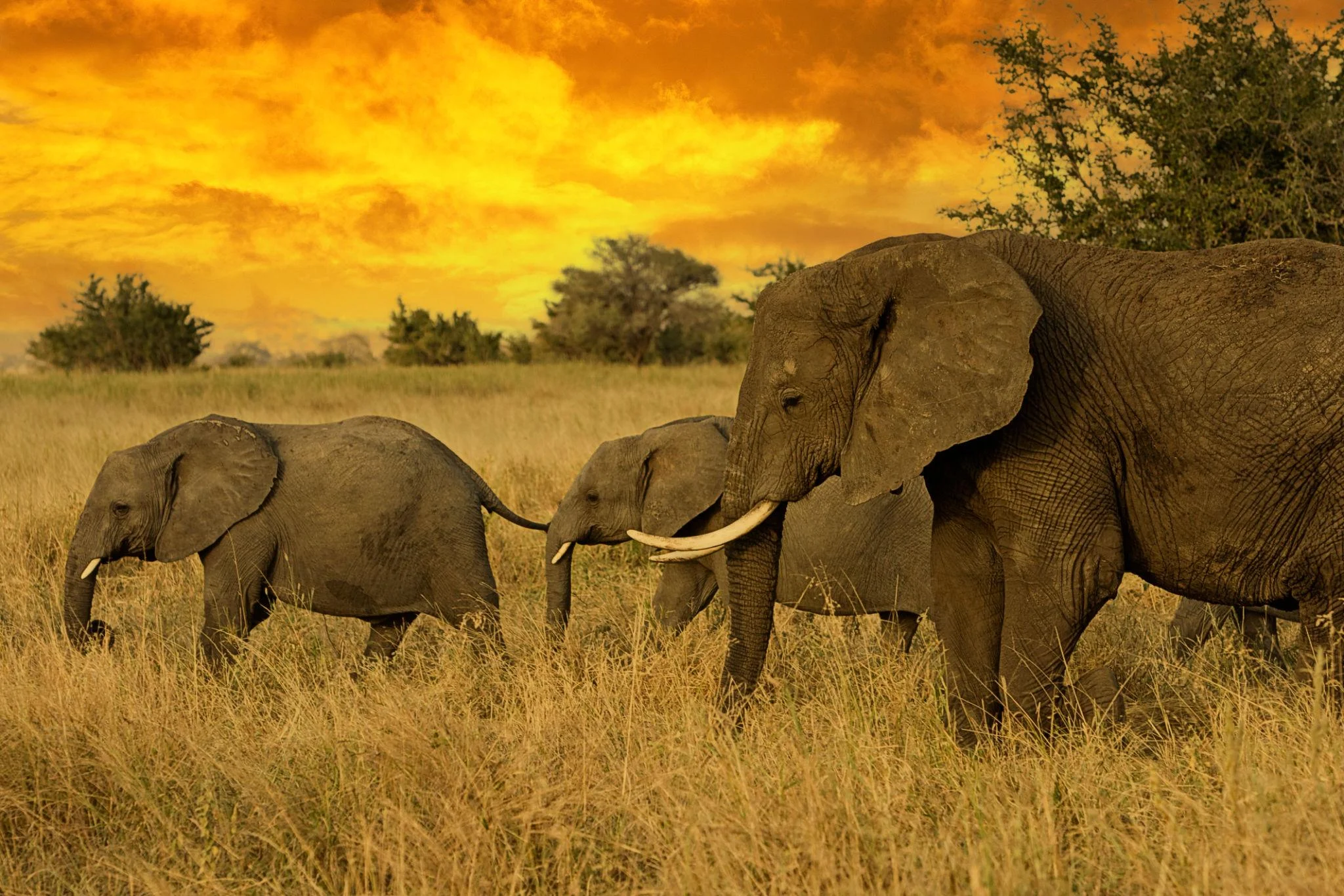

The cheapest national parks for safari in Tanzania are Mikumi ($35.40/adult per day), Ruaha ($35.40), Saadani ($35.40), Nyerere ($50), Arusha ($59), Tarangire ($59), and Lake Manyara ($59). These destinations provide excellent wildlife viewing, including elephants, lions, and birds, at a fraction of the cost of pricier parks like Serengeti ($82.60) or Ngorongoro ($70.80 plus $295 vehicle crater fee). Ideal for budget-conscious travelers seeking authentic adventures.
A Tanzania safari is often seen as a once-in-a-lifetime adventure — but many travelers assume it’s only for luxury tourists with large budgets. The truth is very different.
Tanzania offers several incredible national parks where you can enjoy a full safari experience at a fraction of the typical cost. With the right park selection, smart planning, and the right safari operator, you can see elephants, lions, giraffes, zebras, and other iconic wildlife without spending thousands of dollars.
Some parks are naturally cheaper because they are closer to major cities, require fewer travel logistics, and offer budget-friendly lodges and camps. These destinations still provide outstanding wildlife experiences — often with fewer crowds than famous parks like Serengeti or Ngorongoro.
In this complete guide, you will learn:
- The cheapest national parks for safari in Tanzania
- What makes some parks more affordable than others
- Estimated safari costs and park fees
- The best parks for budget travelers
- Practical tips to reduce safari costs without reducing experience
If you’re planning a Tanzania safari and want the best wildlife experience for the lowest cost, this guide will help you make the smartest choice.
Table of Contents
What Makes a National Park ‘Affordable’ for a Safari?
Price is about more than just the park entrance fee — though that’s certainly part of it. When we talk about affordable safari parks, we’re looking at a combination of factors:
- Park entry fees: Some parks charge $30–70 per person per day, while others charge $50–100+ for the same.
- Accommodation costs: Are there budget camping options or affordable mid-range lodges?
- Accessibility: Can you reach the park without expensive chartered flights?
- Competition: Less popular parks attract fewer high-end operators, which keeps prices competitive.
- Group vs. private safaris: Shared game drives significantly lower the cost per person.
The parks featured in this guide score well across all of these categories. They’re not ‘cheap’ in the sense of being lesser experiences — they’re simply more wallet-friendly ways to experience Tanzania’s breathtaking wildlife.
Quick Comparison: Tanzania’s Most Affordable Safari Parks
| Park | Entry Fee (per day) | Best For | Budget Score |
| Mikumi NP | $30 USD | First-timers, groups, Dar day trips | ⭐⭐⭐⭐⭐ |
| Ruaha NP | $30 USD | Off-the-beaten-path, big predators | ⭐⭐⭐⭐⭐ |
| Nyerere (Selous) | $50 USD | Boat safaris, walking safaris | ⭐⭐⭐⭐ |
| Katavi NP | $30 USD | True wilderness, hippo pods | ⭐⭐⭐⭐⭐ |
| Arusha NP | $50 USD | Short visit, Kilimanjaro backdrop | ⭐⭐⭐⭐ |
| Tarangire NP | $55 USD | Elephant herds, budget dry season | ⭐⭐⭐ |
| Lake Manyara NP | $50 USD | Tree-climbing lions, day trip | ⭐⭐⭐⭐ |
1. Mikumi National Park — Tanzania’s Best-Value Safari Park
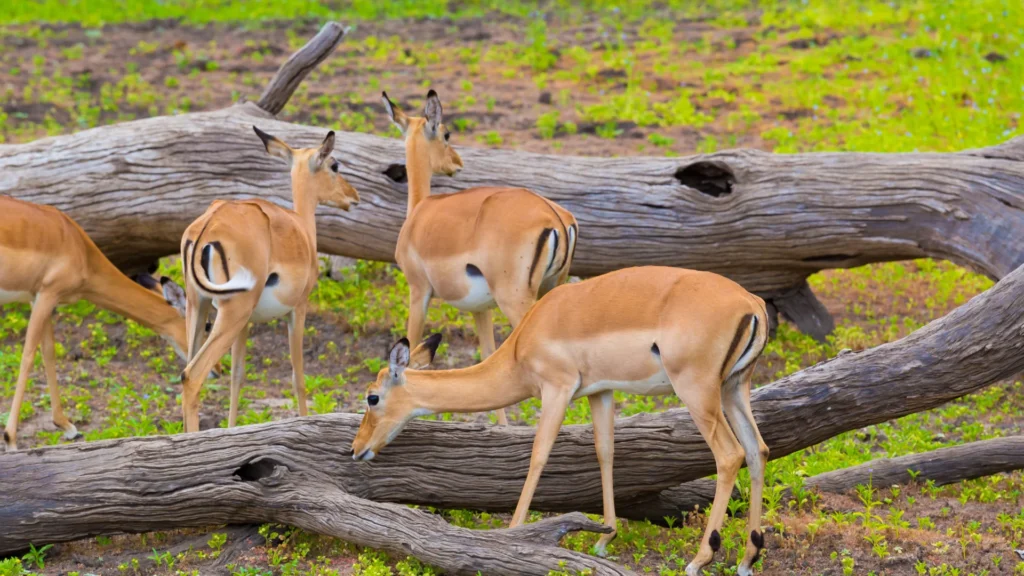
Why Mikumi Is the Top Pick for Budget Travellers
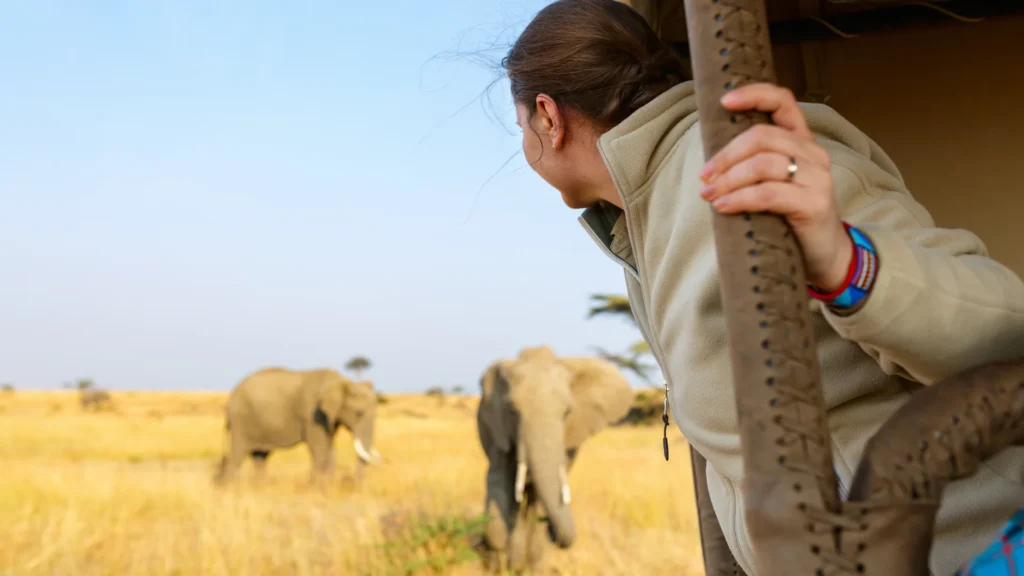
If you’re looking for the single best bang for your buck on a Tanzania safari, Mikumi National Park is it. Located just 4–5 hours by road from Dar es Salaam — and about 1 hour by flight — it’s the most accessible major wildlife park in the country. For travellers based on the coast or flying through Dar, it’s almost too convenient to ignore.
Mikumi covers over 3,230 square kilometres of open plains, acacia woodlands, and floodplains. Think of it as a mini-Serengeti with a friendlier entry fee and far fewer crowds. The Mkata Floodplain, in particular, feels eerily similar to the iconic Serengeti landscape — with one crucial difference: you might have it almost entirely to yourself.
What Wildlife Can You See in Mikumi?
- Lions, leopards, and spotted hyenas
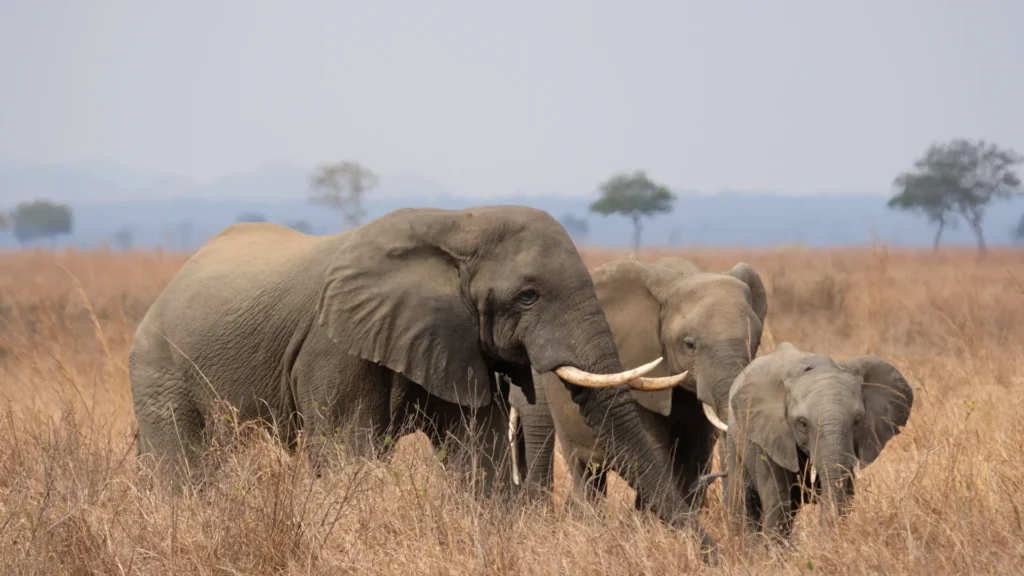
- Large elephant herds
- Buffaloes, wildebeests, and zebras
- Giraffes and impalas
- Hippos in the pools
- Over 400 bird species
Mikumi Park Entry Fees and Budget Tips
| Entry fee: Approx. $30 USD per adult per day (non-resident) Camping: From $30 USD per person per night (public campsites) Mid-range lodges: From $150 USD per person per night Budget tip: Join a shared group safari from Dar es Salaam to split vehicle and guide costs |
Best Time to Visit Mikumi
Mikumi is a year-round destination. The dry season (June–October) offers the best visibility and easiest road access, with animals congregating around waterholes. The green season (November–May) brings stunning landscapes and excellent bird watching, with lower prices and fewer visitors.
Ready to explore Mikumi without breaking the bank? View our Mikumi National Park Safari packages — built specifically for international travellers on a budget.
2. Ruaha National Park — Tanzania’s Wild, Untouched Giant
Why Ruaha Offers Outstanding Value for Money
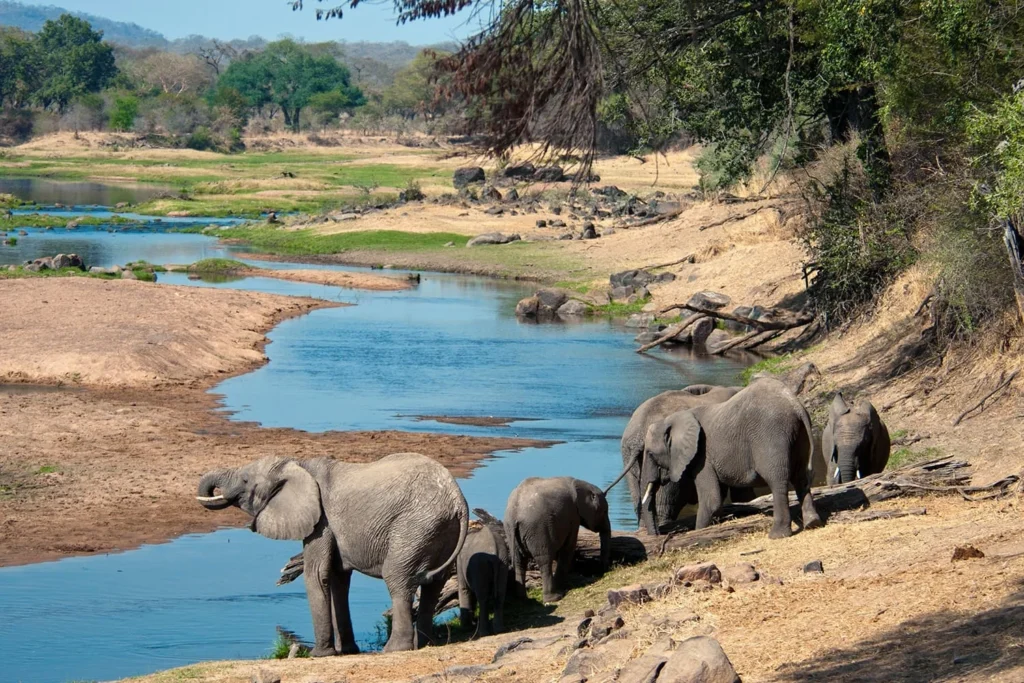
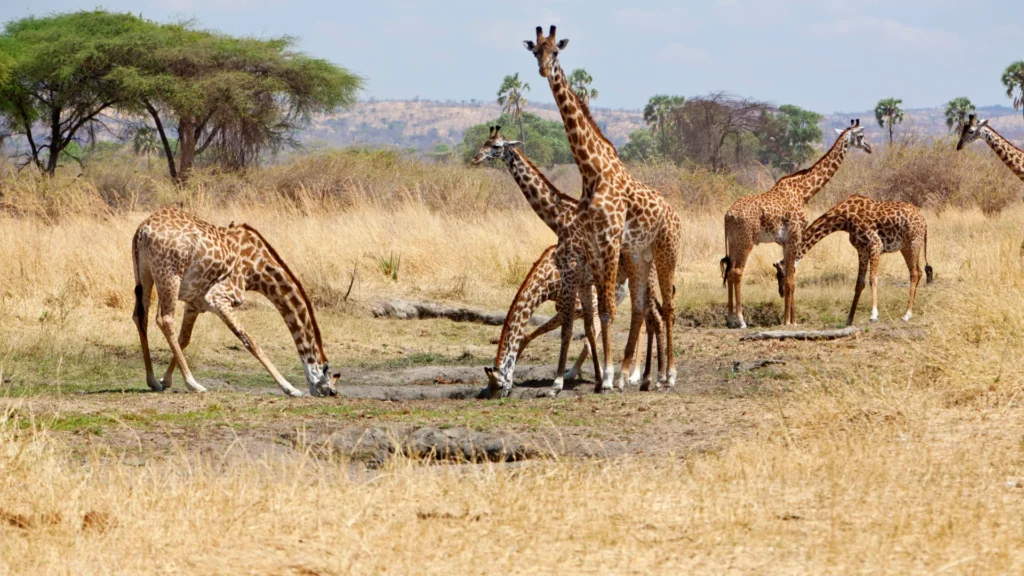
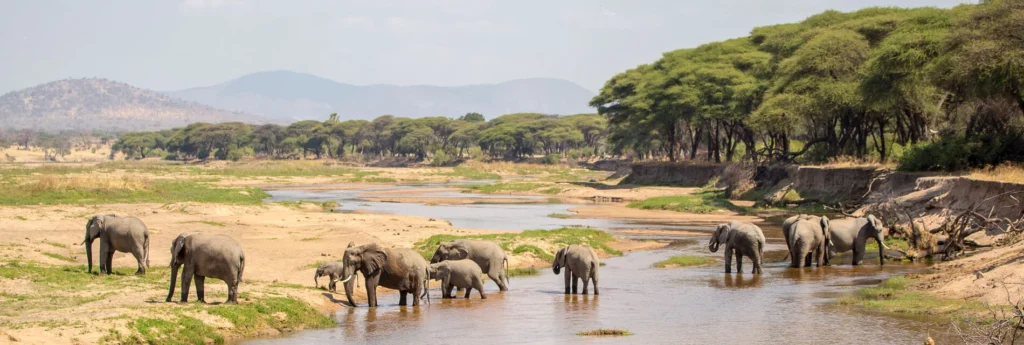
Ruaha is Tanzania’s largest national park, stretching over 20,000 square kilometres of dramatic baobab-dotted landscape. Despite its size and extraordinary wildlife density, it remains one of the least visited parks in the country — and that’s precisely what makes it such a brilliant option for budget travellers.
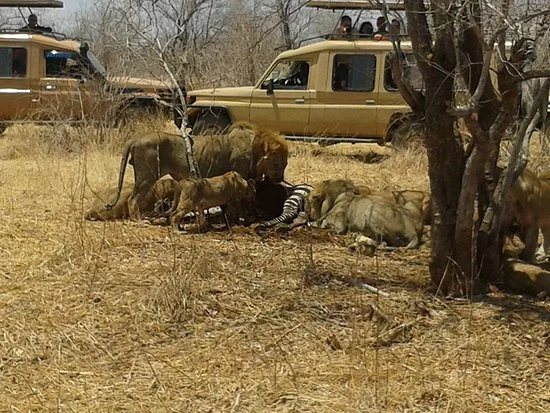
Fewer tourists means lower pressure on accommodation prices, more intimate game drives with just your vehicle in sight, and an authentic ‘wild Africa’ feel that the crowded northern circuit can sometimes lack. Ruaha is particularly famous for its big predator populations.
What Wildlife Can You See in Ruaha?
- One of Africa’s largest lion populations
- Large elephant herds — often 100+ animals in a single group
- Leopards, cheetahs, and wild dogs
- Greater kudu, roan antelope, and sable antelope
- Hippos and crocodiles in the Great Ruaha River
- Over 570 bird species
Ruaha Entry Fees and Budget Tips
| Entry fee: Approx. $30 USD per adult per day (non-resident) Camping: From $30 USD per person per night Best access: Fly from Dar es Salaam to Msembe Airstrip (45 min) or drive from Iringa (3–4 hours) Budget tip: Visit in the green season (Nov–April) for significantly lower lodge rates |
Is Ruaha Hard to Reach on a Budget?
It used to be. But with more affordable charter flight options and an improving road network, Ruaha is increasingly accessible. The drive from Iringa is scenic and manageable, and several mid-range lodges have emerged in recent years to serve cost-conscious travellers. It rewards those who make the effort.
3. Nyerere National Park (Selous Game Reserve) — Africa’s Largest Protected Area
Why Nyerere is a Budget Safari Gem
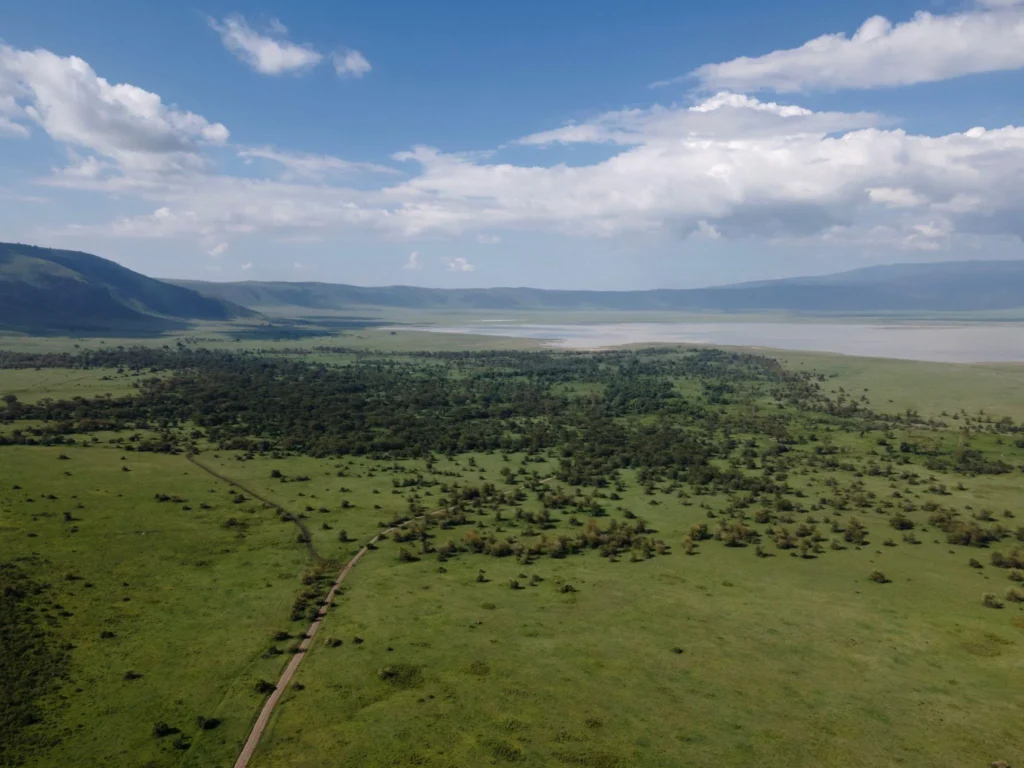
Formerly known as the Selous Game Reserve, Nyerere National Park is one of the most underrated safari destinations not just in Tanzania, but in all of Africa. It’s a UNESCO World Heritage Site, one of the largest protected ecosystems on earth, and yet it remains far less expensive than most people expect.
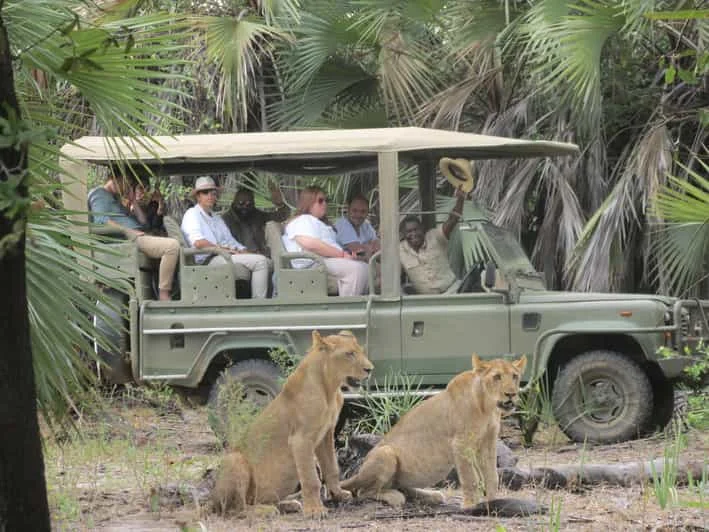
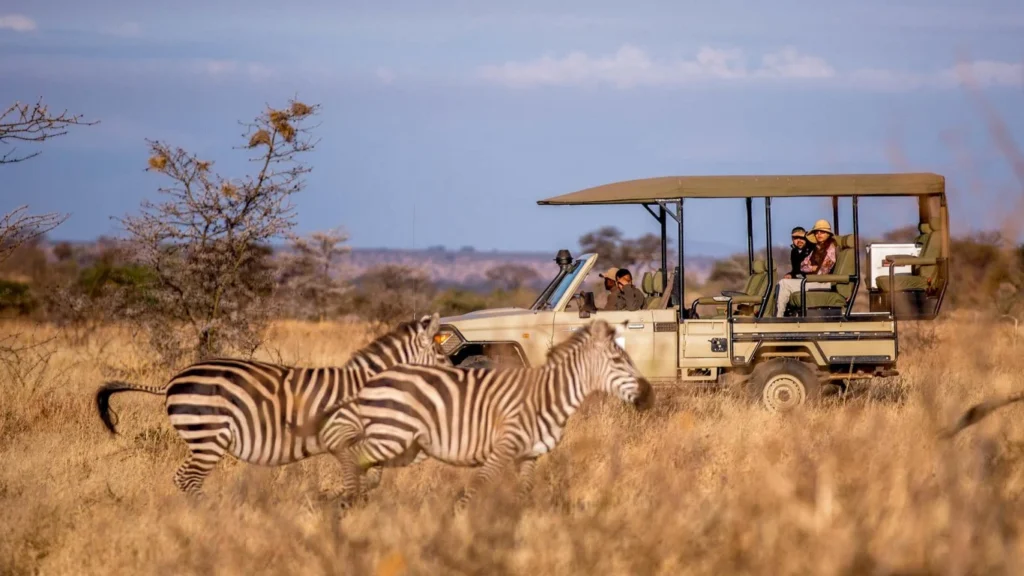
What sets Nyerere apart is the variety of activities it offers. This isn’t just a standard game drive park. You can take boat safaris along the Rufiji River, join guided walking safaris through the wilderness, or fish for tiger fish — experiences you simply can’t get in the Serengeti or Ngorongoro.
What Wildlife Can You See in Nyerere?
- Massive elephant herds (one of the largest populations in Africa)
- African wild dogs — one of the best places in Tanzania to spot them
- Lions, leopards, and crocodiles
- Large hippo pods along the Rufiji River
- Flamingos and a huge variety of water birds
Nyerere Entry Fees and Budget Tips
| Entry fee: Approx. $50 USD per adult per day (non-resident) Boat safari: Can be included in budget packages Access: 2-hour drive or 30-min flight from Dar es Salaam Budget tip: Combine with Mikumi on a multi-park itinerary to reduce transfer costs |
4. Katavi National Park — Tanzania’s Most Remote, Most Rewarding Wilderness
Why Serious Wildlife Lovers Choose Katavi
Katavi is not for everyone — but for the adventurous traveller seeking genuine wilderness without the crowds, it’s arguably the most rewarding park in Tanzania. Located in the remote southwest, it receives fewer than 1,500 visitors per year. Compare that to the Serengeti’s hundreds of thousands.
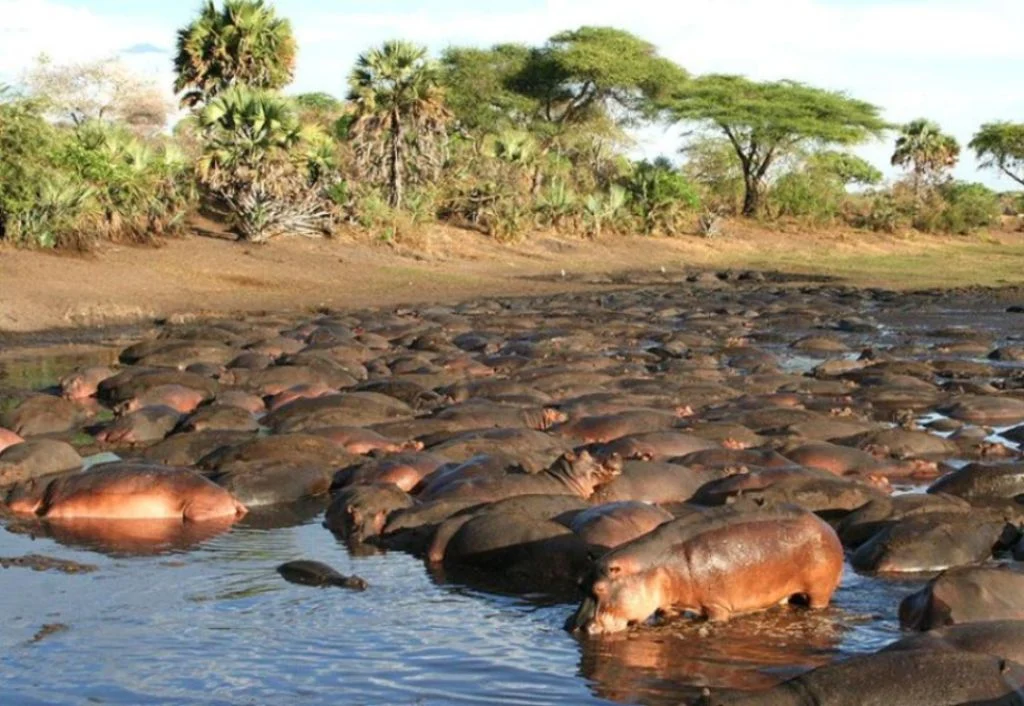
During the dry season, Katavi’s shrinking floodplains create one of Africa’s most dramatic wildlife spectacles: thousands of hippos and buffaloes crammed into small remaining water pools, surrounded by hungry crocodiles and predators. It’s raw, real, and absolutely unforgettable.
What Wildlife Can You See in Katavi?
- Enormous pods of hippos — one of the highest concentrations in Africa
- Large buffalo herds
- Lions, leopards, and cheetahs
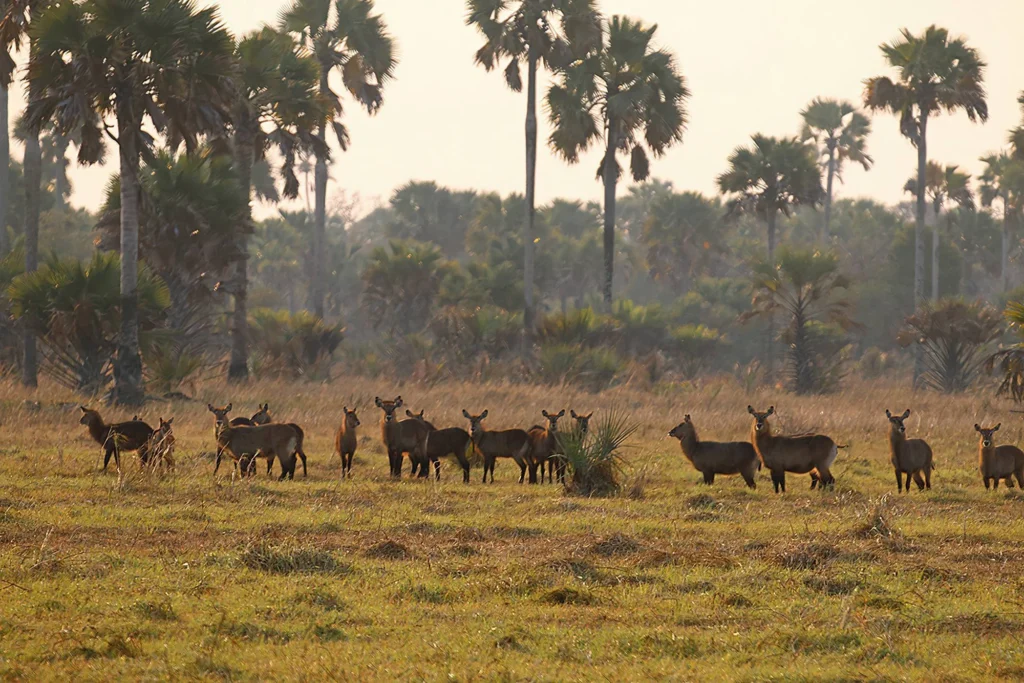
- Topi, puku antelope, and roan antelope (rare species)
- Giraffes, elephants, and zebras
Katavi Entry Fees and Budget Tips
| Entry fee: Approx. $30 USD per adult per day (non-resident) Camping: Public campsites available from $30 USD per person Access: Flight from Dar es Salaam or Arusha (most practical); long drive is also possible Budget tip: Visit July–October for the most dramatic dry-season wildlife spectacle |
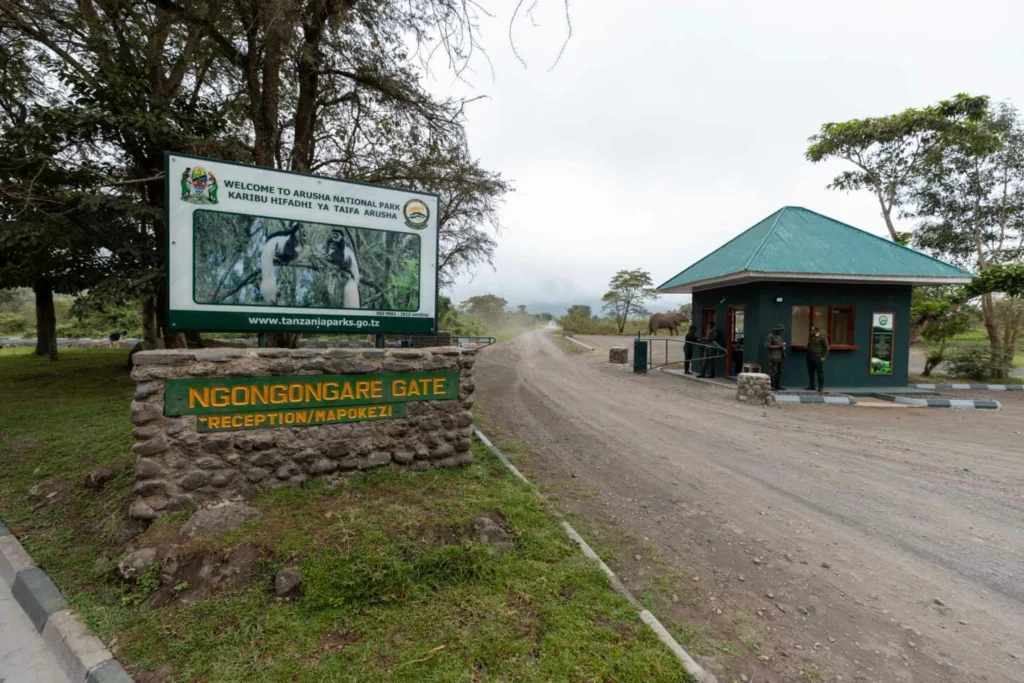
5. Arusha National Park — The Affordable Day-Trip Safari Option
Why Arusha National Park is Perfect for Short Stays
Arusha National Park is the little park that punches well above its weight. Sitting in the shadow of Mount Kilimanjaro and Mount Meru, it’s one of the most scenically dramatic parks in Tanzania — and it’s right on the doorstep of Arusha city, the jumping-off point for most northern circuit safaris.
For travellers who want to add a quick, affordable safari experience before or after a Kilimanjaro climb, a Zanzibar beach holiday, or a longer northern circuit safari, Arusha National Park is the perfect solution. It can be done as a half-day or full-day trip.
What Wildlife Can You See in Arusha National Park?
- Colobus monkeys and baboons
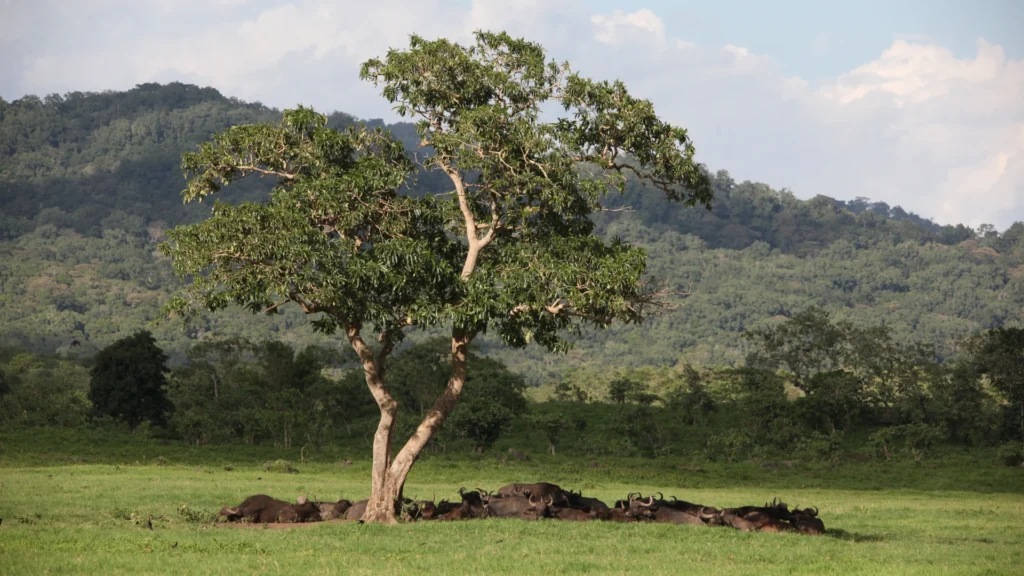
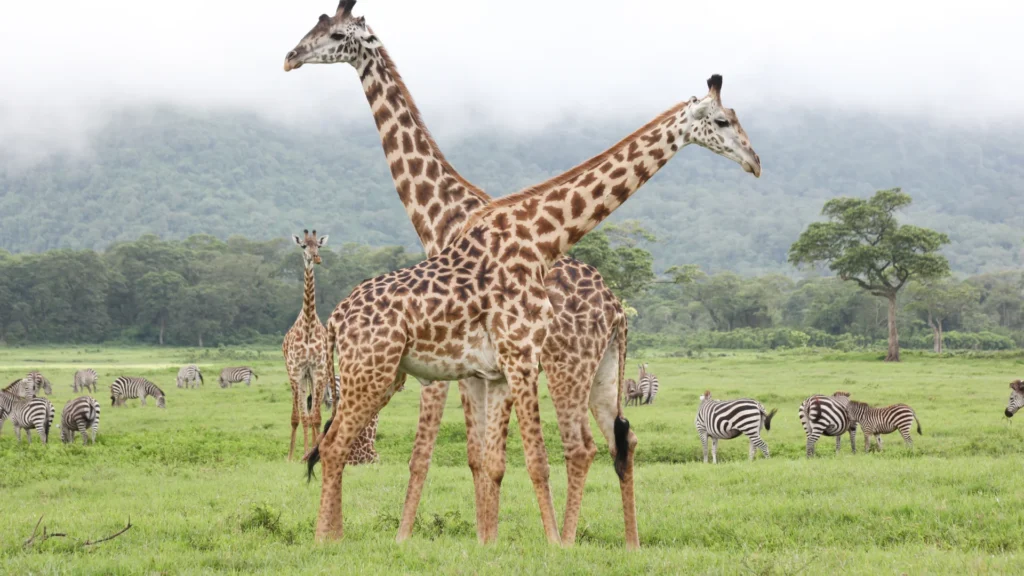
- Giraffes, buffaloes, and zebras
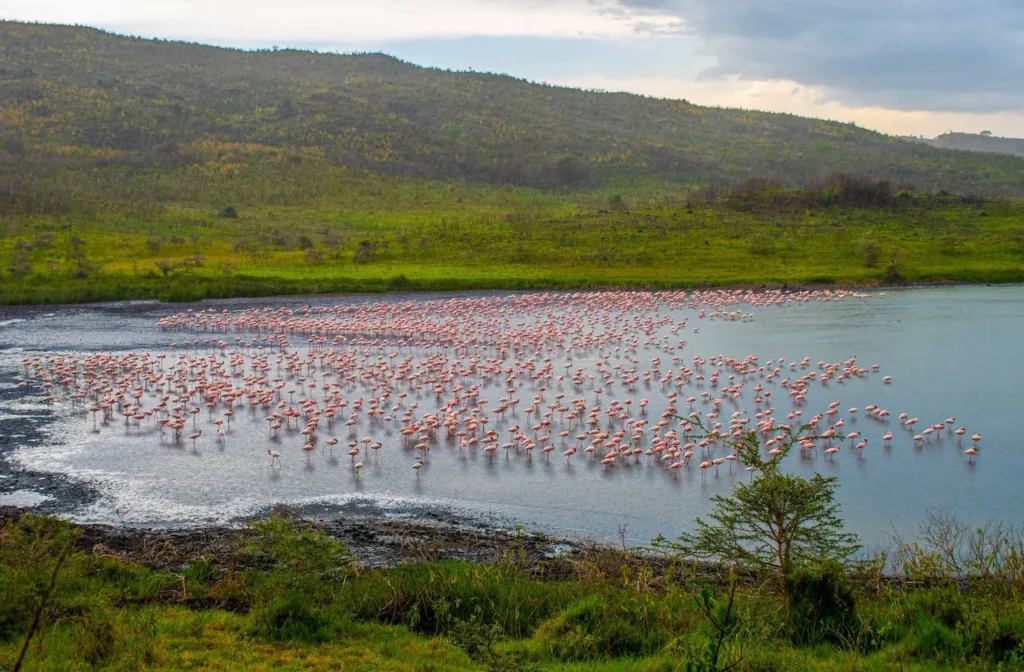
- Flamingos on Lake Momella
- Bushbuck, klipspringer, and reedbuck
- Over 400 bird species
- Stunning views of Mount Kilimanjaro on clear days
Arusha National Park Entry Fees and Budget Tips
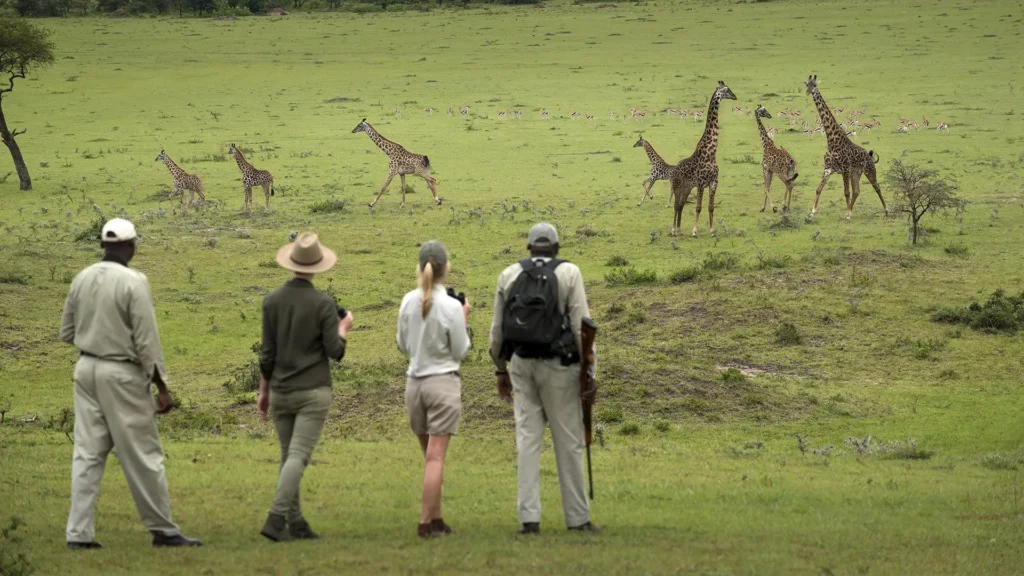
| Entry fee: Approx. $50 USD per adult per day (non-resident) Walking safari: Available with an armed ranger (unique in Tanzania!) Canoe safari: Paddle on Lake Momella for a birds-eye view of wildlife Budget tip: Combine with a Kilimanjaro day hike or Materuni Waterfall visit for a full day out of Arusha |
Staying in Arusha? Check out our Arusha day trip options — including affordable half-day and full-day wildlife experiences.
Honourable Mentions: Other Budget-Friendly Parks Worth Knowing
Lake Manyara National Park
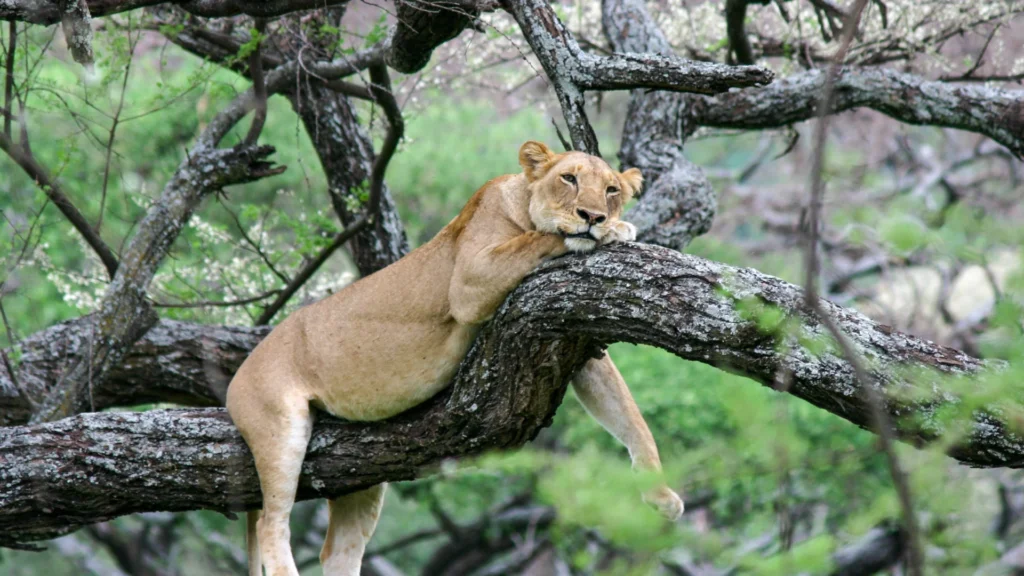
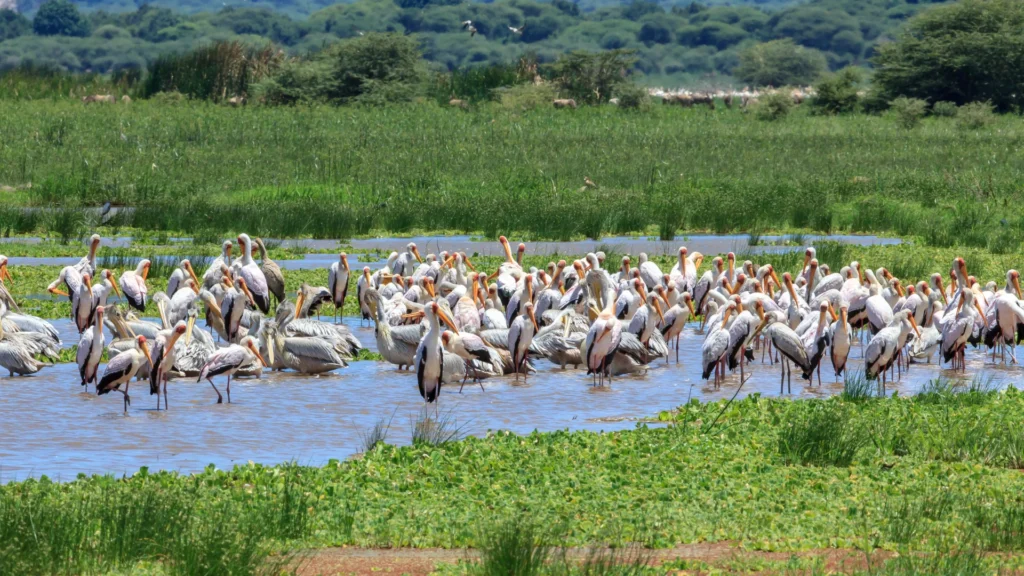
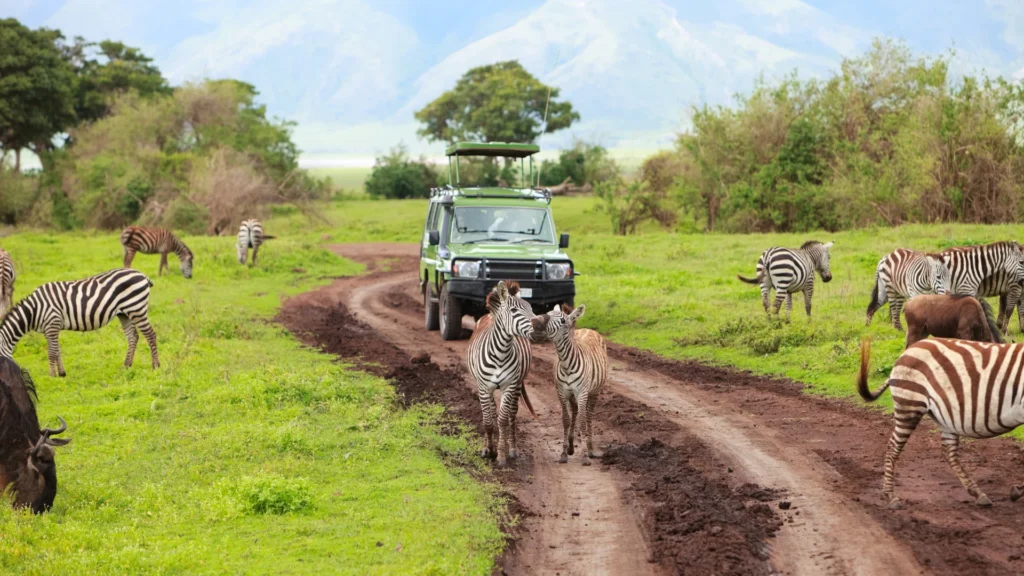
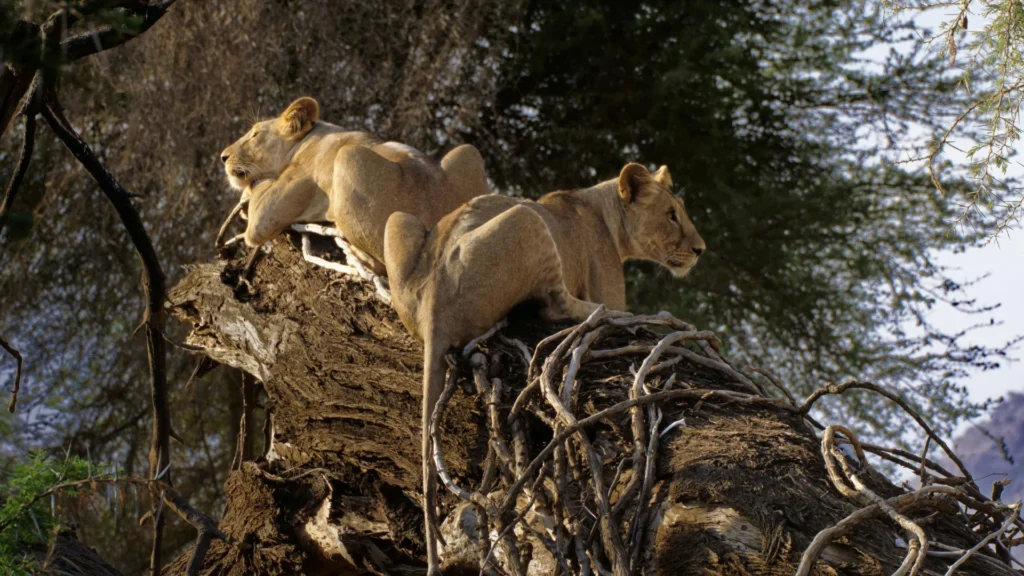
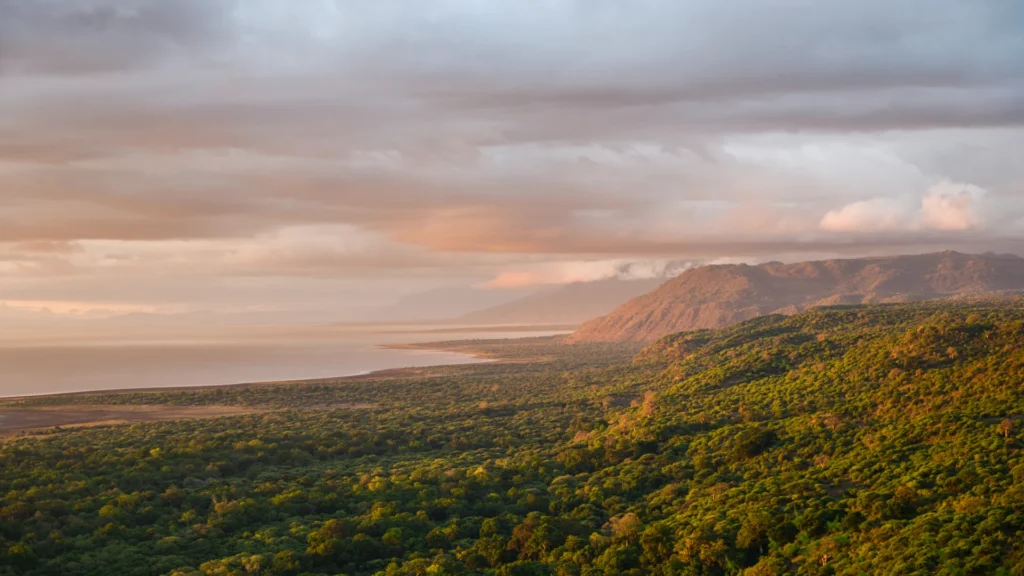
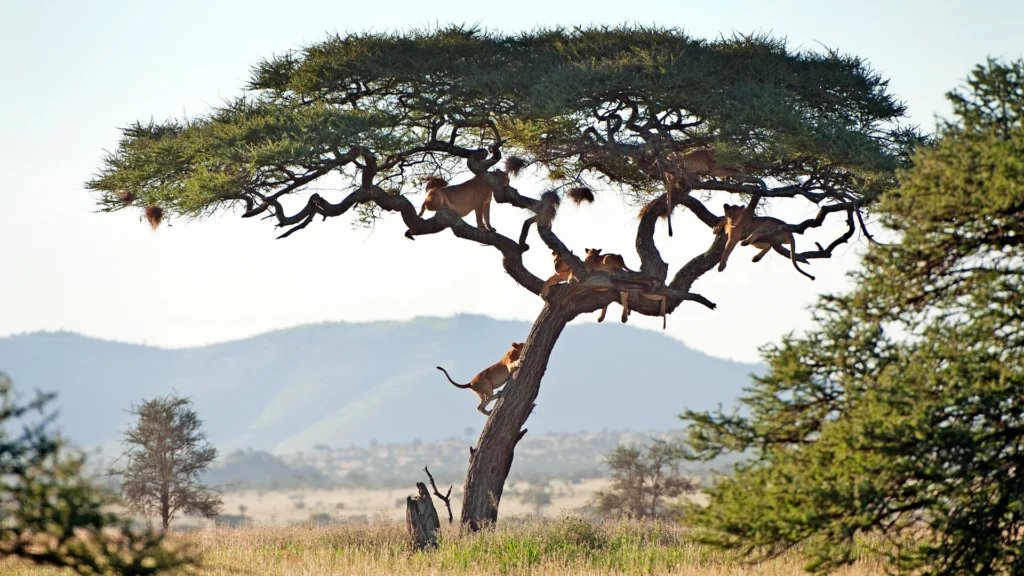
Best known for its tree-climbing lions, Lake Manyara is a compact, diverse park that can be covered in a single full day. It’s often combined with Ngorongoro and the Serengeti on a northern circuit package, but it can also be visited as a standalone day trip from Arusha on a budget. Entry fees are around $50 per person per day, and the park’s small size means lower fuel costs on game drives.
Tarangire National Park
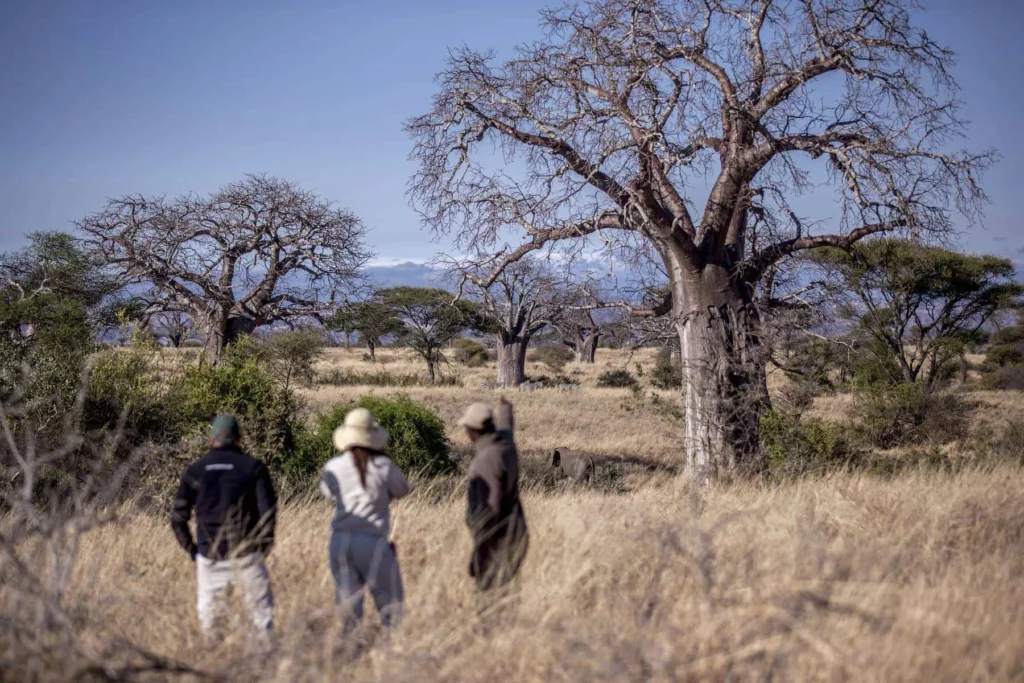
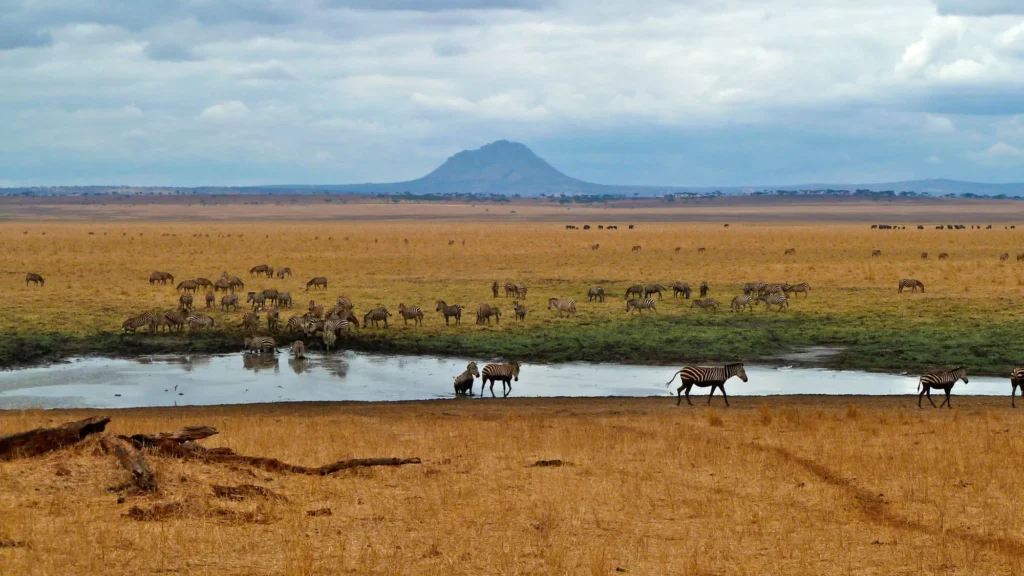
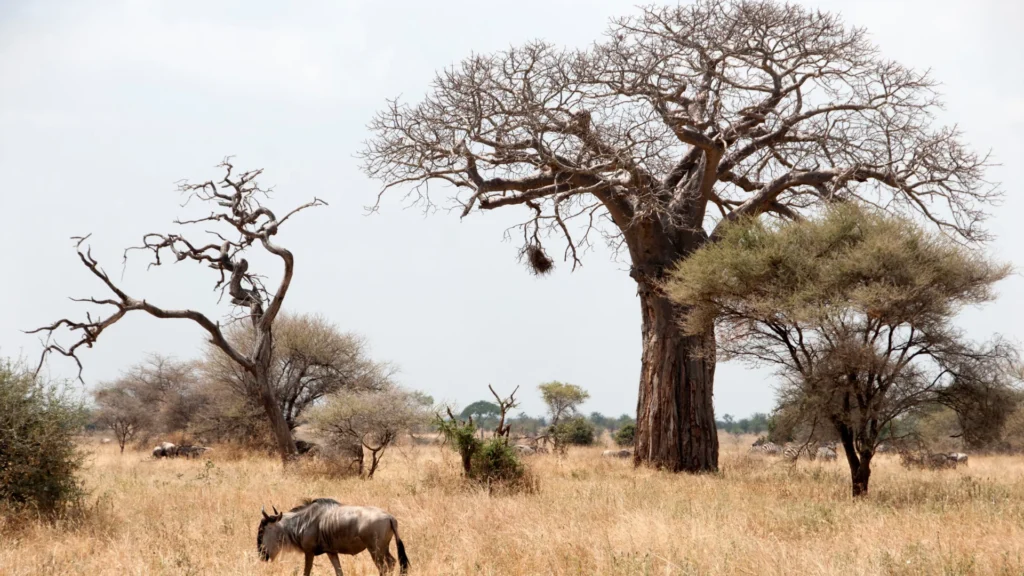
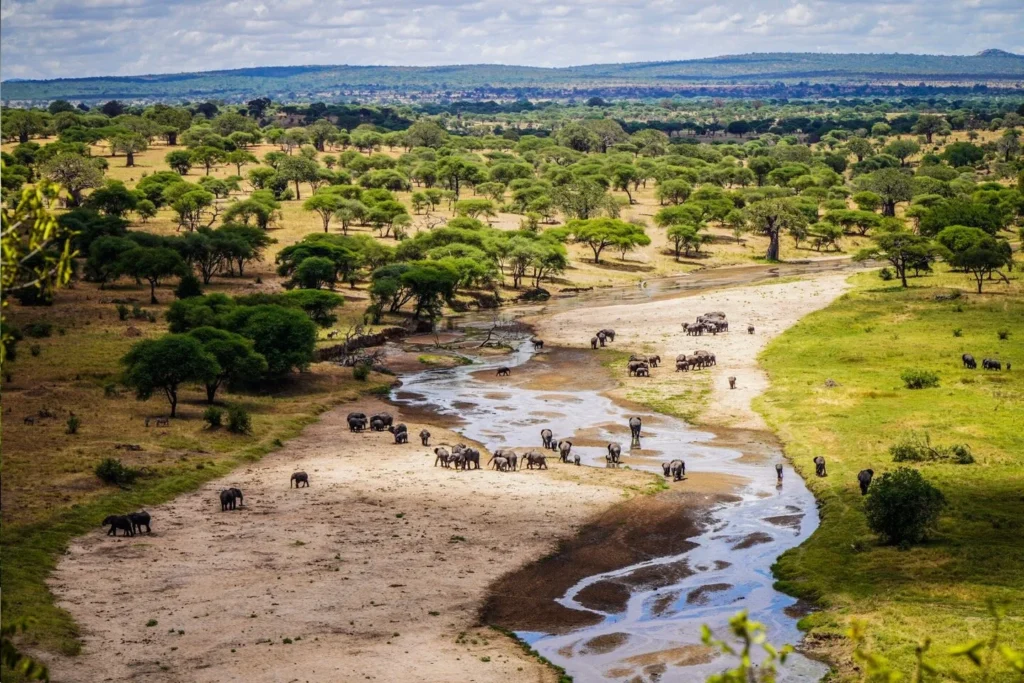
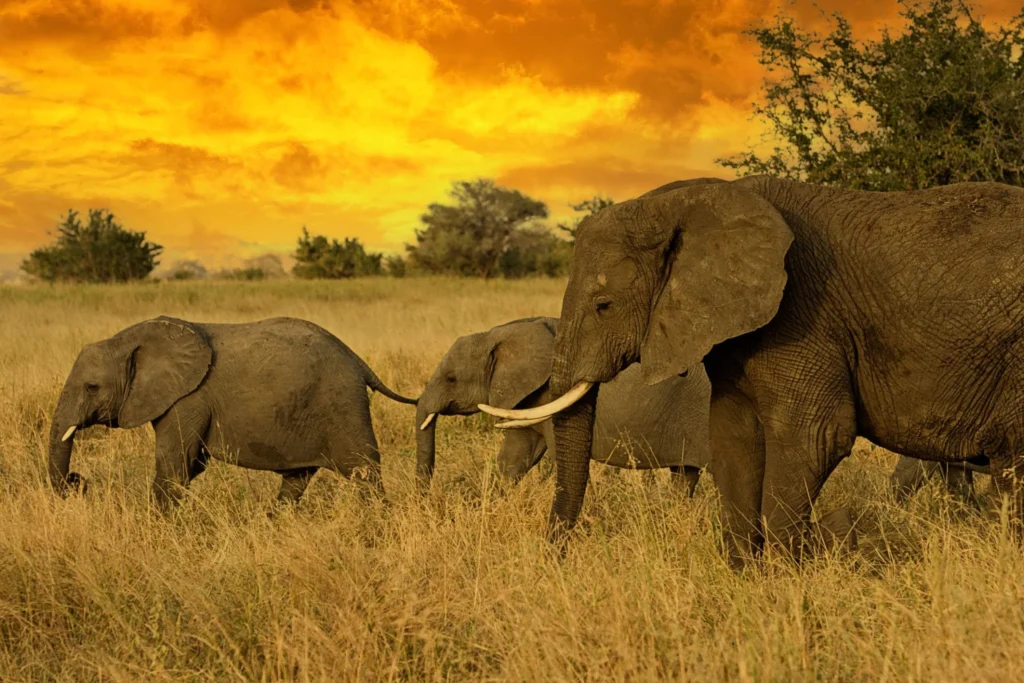
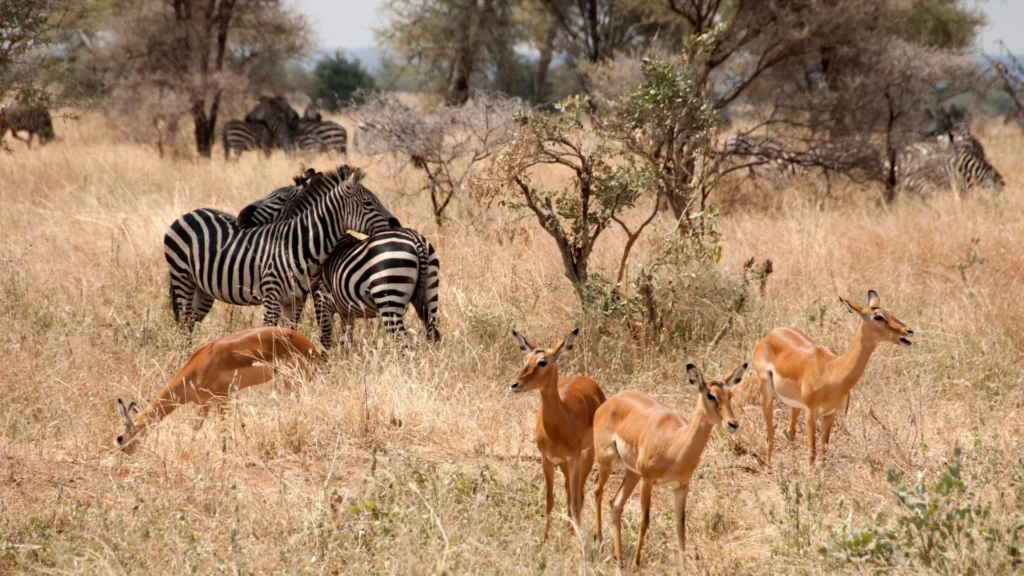
Tarangire is famous for its ancient baobab trees and massive elephant herds. During the dry season (June–October), it actually rivals the Serengeti for wildlife density, yet costs considerably less to visit. It’s one of the best-value parks on the northern circuit. Entry fees are approximately $55 per person per day.
See our Tarangire National Park safari page for current packages and pricing.
How Much Does an Affordable Tanzania Safari Actually Cost?
This is the question everyone wants answered honestly — so let’s be direct about it.
Budget Safari Cost Breakdown (Per Person)
| Cost Category | Budget Option | Mid-Range Option |
| Park Entry Fee | $30–50/day | $50–100/day |
| Accommodation | $30–80/night (camping/budget lodge) | $100–250/night (lodge) |
| Game Drive Vehicle (shared) | $40–80/person/day | $80–150/person/day |
| Guide | Included in most packages | Included in most packages |
| Meals | $15–30/day (budget) | $30–60/day (mid-range) |
| Transfers/Flights | $50–150 (shared road) | $200–600 (charter flight) |
For a 3-day budget safari to Mikumi from Dar es Salaam, for example, you can realistically expect to spend $400–600 per person all-inclusive on a shared group basis. That covers park fees, accommodation, meals, transport, and a professional guide.
Compare that to a 3-day Serengeti safari which typically runs $1,000–2,500+ per person, and the savings become very clear.
| Want an accurate, no-hidden-fees quote for your budget Tanzania safari? Contact Affordable International Travel for a free, personalised itinerary: affordableinternationaltravel.com/contact-us/ |
When Is the Best Time to Visit Tanzania’s Budget Safari Parks?
Dry Season (June–October): Peak Wildlife, Best Visibility
The dry season is the classic safari season across all Tanzania’s parks. Vegetation thins out, animals congregate around remaining water sources, and roads are at their most accessible. For budget parks like Mikumi, Ruaha, and Katavi, this is when the wildlife spectacle peaks — particularly at waterholes and river crossings.
Expect slightly higher accommodation prices during this period, but the trade-off in wildlife quality is almost always worth it.
Green Season (November–May): Lower Prices, Lush Landscapes
The green season gets unfairly dismissed by travellers who don’t know better. Yes, there can be rain — but most afternoon showers are brief, and the landscape transforms into something spectacular. Baby animals are born, migratory birds arrive, and lodge rates drop significantly.
For the budget parks featured in this guide, the green season can mean savings of 20–40% on accommodation. The game viewing is still excellent, just different. Perfect for photography and bird watching.
| Pro Tip from Affordable International Travel: The ‘shoulder months’ — May and November — offer the best of both worlds. Prices are still in low-season territory, but conditions are improving rapidly. These are genuinely some of our favourite months to send clients on safari. |
How to Save Money on Your Tanzania Safari Without Sacrificing Quality
1. Choose Group Safaris Over Private
Joining a shared group safari is the single most effective way to reduce your per-person costs. The game drive vehicle, fuel, guide, and park fees are all split across the group. A private 4×4 might cost $250–400 per day; split across 4–6 people, the cost drops dramatically.
2. Book Directly with a Local Tanzanian Operator
International booking platforms add layers of commission that significantly inflate prices. Booking directly with a Tanzanian-owned operator like Affordable International Travel means you’re paying local rates without the middleman markup. You also get more personalised service and better local knowledge.
3. Combine Parks to Reduce Transfer Costs
If you want to visit more than one park, choose parks that are geographically close to reduce transport costs. Mikumi and Nyerere (Selous) make a natural pairing in southern Tanzania. Tarangire and Manyara work well together on the northern circuit.
4. Be Flexible with Your Travel Dates
Even a week’s flexibility can make a significant difference in accommodation pricing. Travelling in shoulder seasons (May or November) can cut lodge costs by 20–40% compared to peak months.
5. Opt for Camping or Budget Tented Camps
Tanzania’s national parks have public campsites that cost as little as $30 per person per night. Many budget tour operators offer camping safaris that are completely legitimate, safe, and genuinely exciting. Sleeping in the park — with lions potentially calling in the distance — is an experience no hotel can match.
6. Skip Unnecessary Add-Ons
Hot air balloon rides (beautiful but $500–600 per person), helicopter transfers, and premium luxury lodges are all optional extras. The core safari experience — game drives with a knowledgeable guide through stunning wilderness — is where the real value lies, and you can have it without any of the premium extras.
Common Mistakes Budget Safari Travellers Make (And How to Avoid Them)
- Only considering the Serengeti and Ngorongoro: These parks are iconic, but they’re not the only option. The parks in this guide offer comparable wildlife at a fraction of the price.
- Booking through international platforms without comparing local operators: Always check with Tanzanian operators directly. The savings can be significant.
- Visiting in peak season without booking ahead: Budget accommodation fills up quickly in July–August. Book at least 2–3 months ahead if you’re travelling in peak season.
- Underestimating transfer costs: Getting between parks can be expensive if not planned carefully. Talk to your operator about multi-park itineraries that minimise unnecessary travel.
- Expecting the cheapest quote to be the best: Some rock-bottom prices hide cut corners — old vehicles, unqualified guides, or unexpected extra charges. A reputable budget operator will always be transparent about what’s included.
Is a Budget Tanzania Safari Actually Worth It? Our Honest Answer
Yes — unreservedly, yes.
We’ve taken thousands of international travellers through Tanzania’s national parks at all budget levels. And time and again, the clients who visit Mikumi, Ruaha, Katavi, or Nyerere come away with stories that rival — and often surpass — those of travellers who spent three times as much on the Serengeti.
Wildlife doesn’t know what park it’s in. A lion pride hunting at dawn in Ruaha is just as breathtaking as one in the Serengeti. An elephant herd crossing in Mikumi will stop your heart just as effectively as any image from a high-end brochure. And when you’re watching it from a Land Cruiser with almost no other tourists in sight, the experience becomes something truly personal.
The parks in this guide are not consolation prizes. They are genuine world-class safari destinations that happen to cost less. That’s not a compromise — it’s smart travel.
Browse all of our affordable Tanzania safari packages and find the one that fits your budget and travel style.
FAQ
What is the absolute cheapest way to do a safari in Tanzania?
The most cost-effective approach is to join a shared group safari to a southern circuit park like Mikumi or Ruaha, stay in public campsites rather than lodges, and book directly with a local Tanzanian operator. A 3-day shared camping safari to Mikumi from Dar es Salaam can start from around $400–500 per person all-inclusive. Avoid private vehicles, luxury lodges, and international booking platforms if budget is your primary concern.
Which Tanzania national park has the lowest entry fees?
Mikumi, Ruaha, and Katavi all have entry fees of approximately $30 USD per adult per day for non-residents — making them the most affordable in the country. This compares to $80+ per day for the Serengeti. Note that fees are subject to change and should always be confirmed with your tour operator before booking.
Can I see the Big Five in the cheaper parks?
Yes, though not all five are guaranteed in every park. Mikumi offers lions, leopards, elephants, buffaloes, and hippos (rhino are not present). Ruaha is famous for lions, leopards, elephants, and buffaloes, with occasional wild dog sightings as a bonus. Nyerere (Selous) is excellent for lions, leopards, elephants, and wild dogs. For guaranteed rhino sightings, Ngorongoro Crater remains the best option, though it is more expensive.
How many days do I need for a budget Tanzania safari?
For a satisfying wildlife experience, we recommend a minimum of 3 days in any single park. This gives you time to explore different areas of the park and have multiple game drives. A 2-day safari is possible but can feel rushed. If you’re combining two parks, a 5–6 day itinerary gives you a thorough experience without overstretching your budget
Can I do a Tanzania safari without flying?
Yes, for several of the parks in this guide. Mikumi is an easy 4–5 hour drive from Dar es Salaam. Nyerere is approximately 2 hours by road from Dar. Tarangire and Lake Manyara are both reachable by road from Arusha in under 2 hours. Ruaha and Katavi are more remote and often require a short domestic flight to be practical, though road access is possible with more time.
Conclusion
Tanzania remains one of the best safari destinations in the world, and you don’t need a luxury budget to experience it.
By choosing the right parks — especially Mikumi, Tarangire, Arusha, or Lake Manyara — travelers can enjoy incredible wildlife encounters while keeping costs manageable.
These parks provide the essential safari experience:
- Stunning African landscapes
- Iconic wildlife
- Expert guides
- Authentic nature adventures
With careful planning, a Tanzania safari can be far more affordable than most people expect.
| Start planning your affordable Tanzania safari today. Get a free, no-obligation quote from our team |
| About Affordable International Travel We are a 100% Tanzanian-owned safari company specialising in affordable, personalised wildlife experiences across Tanzania’s national parks. From Mikumi to Kilimanjaro, we build itineraries that fit your budget without compromising on quality, safety, or the magic of the African bush. Affiliated with recognised global tourism bodies. |