Family Safari Tanzania
Family Safari Tanzania
Unforgettable wildlife adventures made easy, safe, and affordable for families.
A family safari in Tanzania is one of the most rewarding experiences you can share with your loved ones — rich wildlife, child-friendly lodges, and incredible landscapes you’ll talk about for years.
At Affordable International Travel, we make it simple, accessible, and budget-friendly without compromising comfort or safety.
Why Choose a Family Safari in Tanzania?
Tanzania is one of Africa’s top family-friendly destinations. The parks are safe, wildlife is abundant, and the variety of experiences means every family member — from toddlers to teens — stays excited.
What makes Tanzania ideal for families?
Big 5 sightings without long drives — Many parks are compact with guaranteed wildlife viewing.
Safe, comfortable lodges and tented camps — With family rooms, swimming pools, and kids’ menus.
Educational & interactive — Children learn about conservation, Maasai culture, and wildlife tracking.
Customized itineraries — You can choose slow-paced days, shorter game drives, or rest days.
Year-round destination — Great weather and wildlife viewing every season.
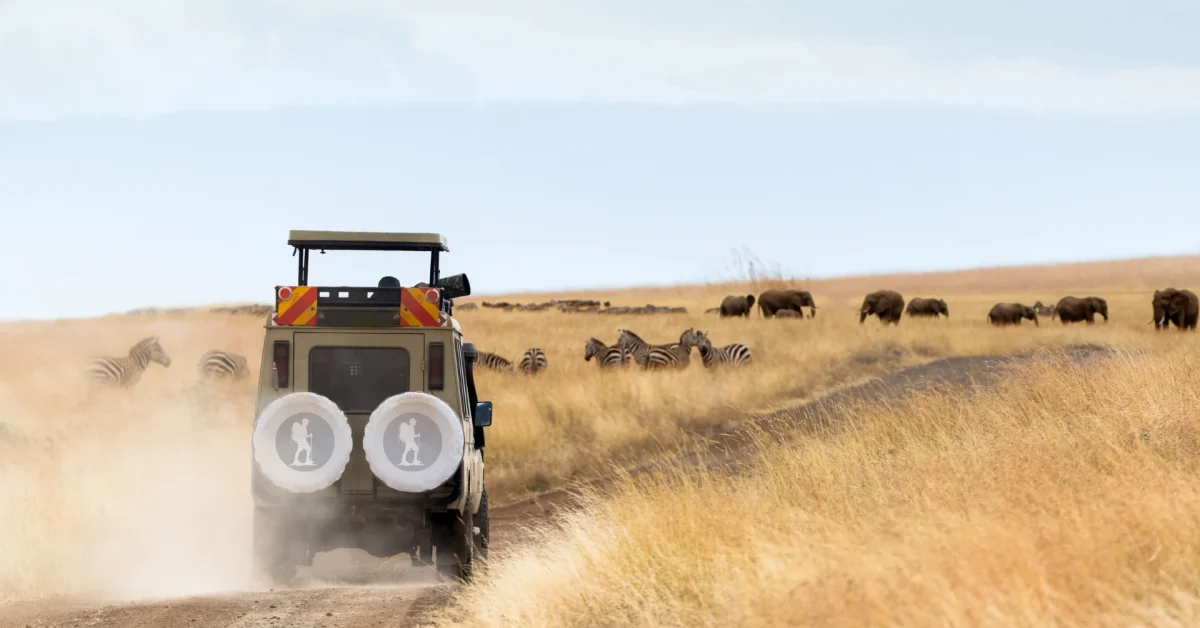
Whether it’s watching elephants roam Tarangire, encountering lions in Serengeti, or exploring the Ngorongoro Crater together, a Tanzania family safari keeps every moment magical.
Top Family-Friendly Safari Destinations in Tanzania
Best Time for a Family Safari in Tanzania
January sits in the “green season,” when short rains have ended, leaving parks lush, vivid, and full of new life.
What families can expect:
Newborn animals everywhere (zebra foals, wildebeest calves, warthog piglets).
Short, warm showers, usually in the afternoon, but still plenty of sunshine.
Excellent game viewing in the Southern Serengeti & Ndutu.
Fewer crowds, compared to peak months like June–September.
Affordable rates in many lodges.
Perfect for: Families who want great photography, baby animals, and fewer tourists.
February is one of the best wildlife months in Tanzania.
What families can expect:
Great Migration calving season in Ndutu — 8,000+ calves born per day.
High predator activity (lions, cheetahs, hyenas).
Warm, pleasant days with light showers.
Short driving distances in the Ndutu area (great for kids).
Loads of action-packed sightings in just 2–3 hours.
Perfect for: Families with teens or older kids who love big wildlife moments.
March marks the early part of the long rainy season.
What families can expect:
Some rainfall, but typically in the late afternoon.
Beautiful green vegetation — ideal for photography.
Reduced crowds almost everywhere.
Discounted rates in camps and lodges.
Good game viewing (although tall grasses make spotting a bit harder).
Perfect for: Budget-conscious families who don’t mind occasional showers.
April is the rainiest month of the year, but also the most affordable.
What families can expect:
Heavy rainfall, often continuous or in long showers.
Very few tourists — parks feel exclusive.
Peak “green season” photography — misty mornings & moody skies.
Mud in some areas, so itineraries must be planned carefully.
Many lodges offer 30–50% discounts.
Perfect for: Families on very tight budgets or photographers who love green landscapes.
May is a transition month as Tanzania moves from rainy weather to the dry season.
What families can expect:
Rain begins to ease, with longer sunny breaks.
Lush, clean, dust-free parks.
Incredible low-season prices — still some of the best of the year.
Fewer tourists, making it ideal for peaceful family safaris.
Wildlife is still good, especially in Tarangire and Manyara.
Perfect for: Families wanting affordable rates without sacrificing comfort.
June is widely considered the best month for comfortable family safaris.
What families can expect:
Dry, cool weather — great for small kids.
No rain, easy driving conditions.
Wildlife becomes more concentrated as water sources shrink.
Start of the Great Migration movement toward Northern Serengeti.
Perfect temperatures for long game drives.
Perfect for: All families — especially those avoiding hot weather.
July is postcard-perfect safari weather.
What families can expect:
Cool mornings, warm afternoons — very kid-friendly.
Great Migration in the north, with huge herds spreading across the Serengeti.
Excellent sightings of lions, cheetahs, and elephants.
Very low humidity.
High demand, so early booking is essential.
Perfect for: Families planning once-in-a-lifetime holidays.
August is one of the most exciting months of the year.
What families can expect:
Migration river crossings (Mara River).
Dry landscapes make spotting animals easy.
Cool weather ideal for younger kids.
Full days of sunshine.
Crowds in the north, but manageable with good planning.
Perfect for: Families who want dramatic wildlife encounters.
September brings some of the most reliable wildlife sightings of the year.
What families can expect:
Warm, clear days.
Migration still active, especially near Mara River.
Dry grass makes wildlife highly visible.
Perfect conditions for walking safaris in some parks.
Good lodge availability, compared to July–August.
Perfect for: Families wanting peak wildlife with slightly fewer crowds.
October is a lovely transitional month.
What families can expect:
Dry conditions early in the month.
Light showers toward the end.
Animals still concentrated by water sources.
Excellent lion and elephant sightings in most parks.
Better availability and prices than July–September.
Perfect for: Families wanting peak-season quality without peak-season prices.
November marks the return of the short rains.
What families can expect:
Quick, refreshing showers, usually in the afternoon.
Lush scenery returning after dry months.
Great birdwatching — many migratory species arrive.
Fewer tourists.
Lower rates in many lodges.
Good wildlife sightings, especially elephants, giraffes, and lions.
Perfect for: Budget-friendly families who enjoy milder, less dusty parks.
December is a vibrant month for family travel.
What families can expect:
Warm days, occasional short rains.
Great wildlife in all northern parks.
Beautiful green season backdrops.
Perfect birdwatching.
High demand around Christmas & New Year.
Festive lodge programs — kids love this!
Perfect for: Families seeking Christmas or New Year safari holidays.
Best wildlife: July–October
Best budget months: March–May, November
Best for young kids: June–September (cool weather)
Best for photography: January–February (green season)
Best festive experience: December
Family-Friendly Private Safari Packages
4 Days Tarangire, Ngorongoro Crater and Serengeti Safari
Starts from $1,800 Per Person

5 Days Tarangire, Ngorongoro Crater and Serengeti Safari
Starts from $2,000 Per Person

3 Days Serengeti Great Migration & River Crossing Safari (Fly-In)
Starts from $1,511 Per Person


3 Days Ngorongoro Crater Rim Walk & Empakaai Crater Hike
Starts from $2,000 Per Person

Other Safari type to consider
FAQ About Family Safari Tanzania
Is Tanzania safe for a family safari?
Yes. Tanzania is widely considered one of Africa’s safest safari destinations for families. The national parks are well-managed, lodges maintain strict safety protocols, and wildlife encounters are guided by trained professionals.
Why Tanzania is safe for families:
Safari vehicles are fully enclosed, providing 360° visibility but complete safety.
Lodges in or near national parks have 24/7 security and follow strict wildlife protocols.
Drivers and guides undergo wilderness safety training, including animal behavior and first aid.
Major safari circuits (Serengeti, Ngorongoro, Tarangire, Manyara) are politically stable and low-risk.
Tips for parents:
Always follow your guide’s instructions.
Keep children inside the vehicle during game drives.
Choose lodges that offer family tents, interconnecting rooms, and enclosed dining areas.
What is the best age for children to go on safari?
There is no strict minimum age, but some lodges and activities have their own policies.
General guidance:
Ages 3–6: Best to choose parks with short drives (Tarangire, Manyara).
Ages 6–10: Ready for the Serengeti and crater tours but still prefer shorter days.
Ages 10–16: Perfect age for full-day game drives and witnessing the Great Migration.
Teens 16+: Can enjoy walking safaris (where allowed) or cultural tours.
Important: Some lodges do not allow children under 6, so always check age restrictions before booking.
How long should a family safari be?
For families, the ideal safari is between 4 to 7 days.
Recommended durations:
4–5 days: Perfect for younger kids; covers Tarangire–Manyara–Ngorongoro.
6–7 days: Best for older kids; adds Serengeti National Park.
8–10 days: Ideal for families traveling from far away who want a relaxed pace.
Why pace matters:
Kids get tired faster than adults, so limiting long days and choosing lodges close to park gates makes the experience much more enjoyable.
What should families pack for safari?
Clothing essentials:
Light cotton shirts (neutral colors preferred)
A warm fleece or hoodie for mornings
A sunhat for children
Comfortable walking shoes
Swimwear (many lodges have pools)
A rain jacket (Nov–May trips)
Other essentials:
Sunscreen & insect repellent
Small backpack for kids
Binoculars (one per child if possible)
Camera with extra battery/memory
Personal medications
Optional but helpful for kids:
Wildlife sticker books
Snacks
Travel pillows
Headphones or audiobooks
Small toys for downtime
How much does a family safari in Tanzania cost?
Costs vary depending on season, comfort level, and family size.
Budget-friendly estimate (Affordable International Travel):
Mid-range private family safari:
$250 – $350 per person per day
What affects the price:
Number of days
Number of people (kids often get discounts)
Travel season
Lodge category
Private vs group (families should always choose private)
Money-saving tips:
Travel in March–May or November
Choose mid-range lodges
Book early for July–October
Stay in lodges just outside park gates
Limit flights by doing drive-in safaris
Plan Your Family Safari Today
Plan your Family Safari Tanzania with Affordable International Travel and enjoy great experiences at the best prices.