tarangire national park safari
Welcome to Tarangire National Park
If you dream of a safari that feels wild, peaceful, and authentic — without the rush and crowds — Tarangire National Park is the perfect escape.
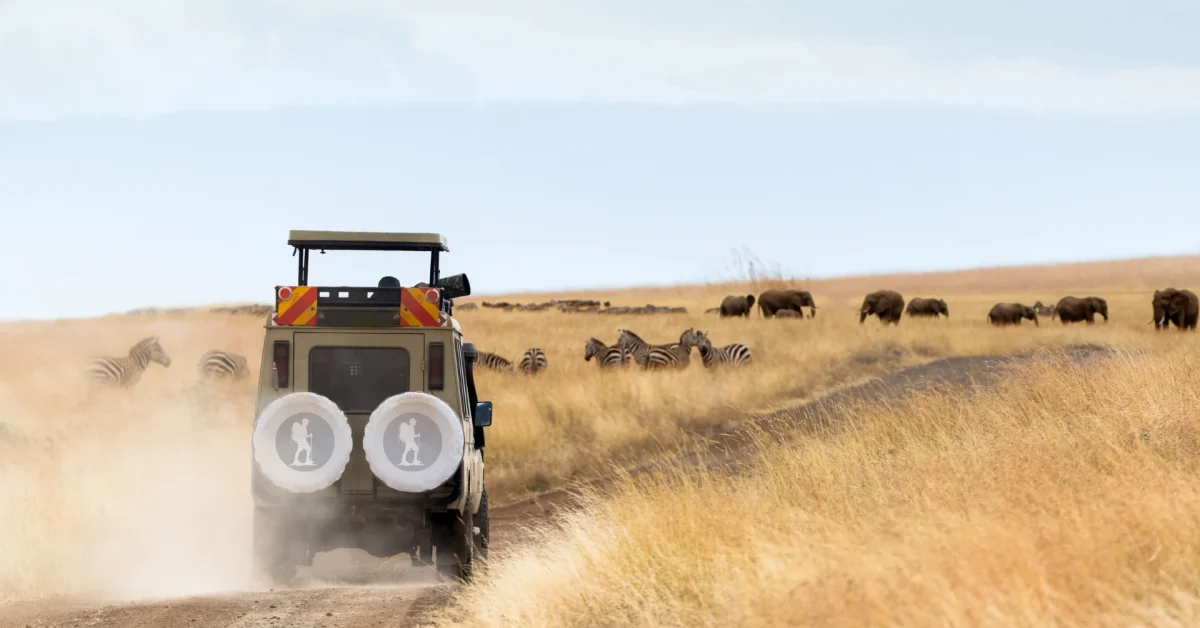
Here, elephants roam in enormous herds, ancient baobab trees stand like silent guardians, and the Tarangire River attracts wildlife throughout the year.
Unlike more commercialized parks, Tarangire keeps its charm: expansive landscapes, affordable accommodations, and exceptional wildlife.
As Affordable International Travel, we help international travelers enjoy this paradise at budget-friendly rates without compromising the safari experience.
About Tarangire National Park
Tarangire National Park covers 2,850 square kilometers, making it the 6th largest park in Tanzania. Its name comes from the Tarangire River, the only permanent water source in the area and the lifeline for the park’s animals.
What Makes Tarangire Unique?
- Largest elephant concentration in Northern Tanzania
- Rare species like fringe-eared oryx, greater kudu, and Ashy starling
- Over 450 bird species — one of Africa’s best birding destinations
- Thousands of towering baobab trees
- Complex ecosystem of riverine forests, acacia woodlands, swamps & grasslands
The park plays a critical ecological role as a dry-season refuge for wildlife migrating through the greater Manyara-Tarangire ecosystem.
This combination of landscapes, wildlife, and ecological significance makes Tarangire a must-see destination for serious safari lovers and budget travelers alike.
Where Is Tarangire National Park?
Tarangire lies in Northern Tanzania, making it a central part of the famous Northern Safari Circuit.
Approximate Distances:
-
Arusha → Tarangire: 118 km (2 hours)
-
Lake Manyara → Tarangire: 1.5 hours
-
Ngorongoro → Tarangire: 2 hours
-
Serengeti → Tarangire: 4–6 hours depending on the gate
Its strategic location means travelers can easily combine Tarangire with Serengeti, Ngorongoro Crater, Lake Manyara, and Arusha National Park in a single itinerary.
Best Month to Visit Tarangire National Park
Detailed month-by-month overview to help you plan the perfect safari
Tarangire in January
-
Lush green landscapes after short rains
-
Great for birdwatching — migratory species active
-
Wildlife spreads out but sightings still rewarding
-
Ideal month for photographers
Tarangire in February
-
Calving season in the greater ecosystem (especially Ndutu)
-
Predators become more active due to vulnerable newborns
-
Green vegetation still beautiful
-
Good time for budget travelers (shoulder season rates)
Tarangire in March
-
Long rains begin
-
Fewer tourists → extremely calm and quiet safaris
-
Dense vegetation but excellent for birds, elephants & photography
-
Great month for travelers seeking value
Tarangire in April
- Wettest month; dramatic thunderstorms and striking skies
- Roads can be muddy but fewer vehicles → “private safari feeling”
- Some lodges offer off-season discounts
Tarangire in May
-
Still wet but slowly clearing
-
Wildlife begins concentrating again as vegetation thins
-
Affordable safari prices
-
Excellent for travelers who dislike crowds
Tarangire in June
-
Dry season begins
-
Grass starts to dry → improved visibility
-
Elephants slowly returning from migration routes
-
Pleasant temperatures
Tarangire in July
-
One of the peak elephant months
-
Wildlife heavily concentrates near the river
-
Weather is sunny and perfect
-
Popular month — book early
Tarangire in August
-
High wildlife density around swamps and riverbanks
-
Fantastic month for predators
-
Clear skies, beautiful evening light
-
Great for full-day game drives
Tarangire in September
-
Considered the best month to visit Tarangire
-
Extremely high wildlife density
-
Elephants everywhere; lions frequently seen
-
Very dry → animals easy to spot
Tarangire in October
-
Exceptional wildlife viewing continues
-
Temperatures rise slightly
-
Last month of peak dry season
Tarangire in November
-
Green season starts
-
Fresh vegetation brings migratory birds
-
Cooler, more photogenic landscapes
-
Affordable rates resume
Tarangire in December
-
Great weather and a festive safari atmosphere
-
Good mix of wildlife + green scenery
-
Popular with families and holiday travelers
Best months to visit Tarangire
- Best Overall Months: June–October – Dry season, wildlife concentrated near water, excellent game viewing.
- Secondary Best: December–February – Short dry season, green scenery, fewer tourists.
- Best for Budget Travelers: March–May – Wet season, lower prices, fewer crowds, but some wildlife may be harder to spot.
Why Visit Tarangire National Park?
Elephants
Tarangire hosts thousands of elephants, especially from July to October.
Rare Species
Fringe-eared oryx Greater kudu Gerenuk African wild dog (occasional) Ashy starling (near-endemic)
Baobab Wonderland
Move from dense groundwater forest to open savannah and lakeshore scenes — all packed with wildlife.
Where to Stay at Tarangire National Park
Tarangire Simba Lodge
Tarangire Safari Lodge
Sangaiwe Tented Lodge
Main Attractions in Tarangire National Park
Tarangire River
The Tarangire River is more than just a water source — it is the lifeline of the entire ecosystem.
What You’ll See
-
Massive elephant herds marching down to drink, bathe, and play in the mud
-
Zebras and wildebeests gathering in long lines, creating classic safari scenes
-
Giraffes leaning awkwardly but gracefully to take a sip
-
Lions hiding under acacia trees, scanning the riverbanks for weak or distracted prey
-
Leopards occasionally seen resting in branches overlooking the river
-
Crocodiles and waterbirds patrolling the shallows
This is one of the few places in Tanzania where you can sit in one spot and watch entire ecosystems interact.
The movement, the dust clouds, the sounds of elephants rumbling — it feels like watching nature breathe.
Silale Swamp
Silale Swamp stretches across the southeastern side of Tarangire, creating a green, fertile basin even in the harshest of dry seasons.
It acts as a natural sponge, absorbing rainwater during wet months and releasing it slowly, ensuring animals have water far longer than surrounding regions.
What Makes Silale Special
-
Huge buffalo herds — sometimes 500+ strong
-
Massive elephant groups cooling off, rolling in the mud, or feeding on aquatic plants
-
Lions frequently hunt here because animals stay longer around the swamp
-
Cheetahs and wild dogs occasionally use the open edges as hunting grounds
-
Birdlife explodes in this area; eagles, storks, herons, and cranes love the wetland
This is one of Tarangire’s most dramatic wildlife theatres, especially from July to October.
Baobab Valleys
Tarangire is famous for its surreal landscapes filled with thousands of ancient baobab trees, some believed to be over 1,000–2,000 years old.
These baobab valleys create one of the most unique atmospheres of any African safari park — a place where the land feels ancient, untouched, and deeply wild.
Life Around the Baobabs
-
Birds nest in the hollow trunks, including owls, rollers, and starlings
-
Baboons feast on fallen baobab fruit
-
Elephants peel the bark for moisture, minerals, and traditional healing properties
-
Leopards sometimes use the branches as resting spots
Standing among these giant trees feels like walking through a natural cathedral — silent, powerful, and unforgettable.
Activities in Tarangire National Park
Game Drives
Game drives in Tarangire are a treat because the landscape shifts dramatically from woodlands to swamps to river valleys — each full of different wildlife.
What Makes Game Drives Special Here
-
You’ll witness some of Africa’s largest elephant gatherings
-
You’ll drive past colossal baobabs towering above the plains
-
You’ll explore hidden river crossings where predators wait
-
You’ll pass quiet woodlands where kudu and oryx hide
-
Expect deeper ecological insights, including: How elephants engineer the ecosystem
This is a park where you don’t just see animals — you understand their stories.
Starting From
$115/person
Starting From
$115/person
Birdwatching
Tarangire is one of the top birding destinations in East Africa, with more than 450 species, including rare and endemic species.
Bird Highlights
-
Kori bustard – one of the heaviest flying birds
-
Yellow-collared lovebird – near-endemic to Tanzania
-
Martial eagle – Africa’s strongest bird of prey
-
Lilac-breasted roller – everyone’s favorite photo subject
-
Ostriches – the world’s largest bird
-
White-bellied go-away-bird – known for its funny call
Your guide stops for subtle flashes of color, distinctive calls, or aerial hunts.
You’ll learn about; Mating displays, Territorial behavior, Seasonal migration, Hunting strategies etc. Even non-birders fall in love with Tarangire after a few sightings here.
Walking Safaris
Walking safaris in designated areas offer a raw, thrilling, and intimate experience of Tarangire.
You’ll explore the bush with trained rangers who help you read the land like a storybook.
What You’ll Experience
-
Examine fresh animal tracks in the dust
-
Identify bird calls and understand their signals
-
Discover insects, plants, and tiny reptiles you’d miss in a vehicle
-
Learn survival secrets of baobabs and acacias
-
Feel the thrill of being at ground level with wildlife nearby
It’s a perfect activity for adventurous travelers who want to truly feel Tanzania.
Starting From
$115/person
Tarangire Safari Packages

4 Days Tarangire, Ngorongoro Crater and Serengeti Safari
Starts from $1,800 Per Person


3 Days Game-Drive, Culture & Bush Walk in Tarangire & Ngorongoro Safari
Starts from $1,500 Per Person

6 Days Tarangire, Lake Manyara, Ngorongoro Crater & Serengeti Safari
Starts from $2,500 Per Person

5 Days Tarangire, Ngorongoro Crater and Serengeti Safari
Starts from $2,000 Per Person
Combine Tarangire With Other National Parks
FAQ About Tarangire National Park Safari
What is Tarangire National Park famous for?
Tarangire is world-renowned for its massive elephant populations, ancient baobab forests, and the Tarangire River, which serves as the park’s life source during the dry season. From June to October, Tarangire becomes a magnet for wildlife as thousands of animals migrate here for water — creating some of the most dramatic sightings in Tanzania.
How many days should I spend in Tarangire?
Most travelers enjoy 1–2 days, but nature lovers often extend to 3 days, especially if combining game drives, birding, and walking safaris.
A perfect plan:
-
Day 1: Explore the Tarangire River circuit
-
Day 2: Silale Swamp + Baobab Valley + sundowner drive
Is Tarangire good for safari beginners?
Yes — it’s one of the best parks for first-time safari travelers.
Reasons:
-
Abundant wildlife that’s easy to spot
-
Short travel time from Arusha
-
Scenic variety (rivers, swamps, woodlands, baobab forests)
-
Less crowded than Serengeti or Ngorongoro
It’s the perfect “warm-up” to the Northern Circuit.
Which animals can I see in Tarangire?
Tarangire offers one of the most diverse wildlife populations in Tanzania. Expect:
-
Huge elephant herds (100+ individuals)
-
Lions (often seen near Silale Swamp)
-
Buffalo
-
Giraffes
-
Zebras and wildebeests
-
Leopards (more elusive)
-
Cheetahs (occasionally in southern areas)
-
Over 450 bird species
It is also one of the only places in Tanzania where you can spot Oryx and Greater Kudu.
How does Tarangire compare to Serengeti or Ngorongoro?
Tarangire is more intimate, quieter, and famous for elephants and baobabs.
Serengeti is best for the Great Migration.
Ngorongoro offers a high-density “crater zoo” experience.
Most travelers combine all three for a complete safari.
Book Your Tarangire Safari Today
Book your Tarangire National Park safari with Affordable International Travel and enjoy great experiences at the best prices.