Serengeti National Park Safari
Welcome to Serengeti National Park
Imagine standing on endless golden plains as the sun rises over acacia trees, thousands of wildebeests thundering across the horizon, and a lion pride lounging just meters away.
This isn’t a documentary scene — it’s your Serengeti National Park safari.
Located in northern Tanzania, the Serengeti is one of the world’s most celebrated safari destinations, home to the Great Wildebeest Migration, Africa’s Big Five, and some of the most breathtaking landscapes on the continent.
Whether you’re chasing adventure, photography, or pure tranquility — the Serengeti delivers an experience like no other.
About Serengeti National Park
Covering nearly 15,000 square kilometers, the Serengeti is a UNESCO World Heritage Site and the crown jewel of Tanzania’s safari circuit.
Its name comes from the Maasai word “Siringet”, meaning “the land that goes on forever” — and it truly does.
Here, nature rules supreme. You’ll witness millions of animals roaming freely — from zebras and gazelles to elephants, leopards, and cheetahs. The park’s ecosystem supports over 70 species of large mammals and 500+ bird species, making every game drive a new surprise.
Where is the Serengeti National Park located?
The Serengeti National Park lies in northern Tanzania, stretching west to Lake Victoria and north to the Kenyan border, where it joins the Maasai Mara National Reserve.
It’s part of the world-famous Northern Safari Circuit, which also includes Ngorongoro Crater, Tarangire, and Lake Manyara.
The park is about 335 km (208 miles) from Arusha, the gateway city for most safaris.
You can reach Serengeti by road (6–7 hours drive) or by flight to one of its airstrips — such as Seronera, Kogatende, or Ndutu.
What is the best month to do Serengeti Safari?
The Serengeti is a year-round destination, but each season offers something special
Serengeti in January
Dry season
By January, the short rains have faded, leaving lush green plains across the southern Serengeti.
Wildebeest and zebras gather in huge numbers for the start of the calving season, attracting predators like lions and cheetahs.
It’s a thrilling time for wildlife photography, with dramatic predator-prey interactions unfolding daily.
Serengeti in February
Dry season
This is the height of calving in the Ndutu area.
Thousands of baby wildebeests are born each day, and predators lurk nearby in search of easy prey.
Expect warm weather, clear skies, and plenty of action — perfect for those wanting to witness nature’s raw cycle of life.
Serengeti in March
Shoulder season
March brings slightly heavier rains, turning the plains a deep, rich green.
Herds begin to move slowly northwest, but game viewing remains excellent.
Birdlife is at its best, and the park is quieter with fewer tourists, ideal for travelers who prefer peace and exclusivity.
Serengeti in April
Rainy season
This is the wettest month in the Serengeti.
The grass is high, the air is fresh, and the park looks like an emerald paradise.
Though some roads may be muddy, this is a great time for photographers who love dramatic skies and vibrant scenery — and for travelers seeking lower prices.
Serengeti in May
Rainy season
The rains ease, and massive herds start migrating north through the central Serengeti toward the Western Corridor.
The landscape is still green and alive, with plenty of predators following the herds.
This is a beautiful and less crowded time to visit before peak season begins.
Serengeti in June
Shoulder season
By June, the migration gathers around the Grumeti River, where crocodiles wait in ambush.
The weather is dry, skies are clear, and wildlife sightings are spectacular.
This is one of the best months for both photography and classic safari adventures.
Serengeti in July
Dry season
The herds reach the northern Serengeti and prepare for the famous Mara River crossings.
Expect thrilling action, with wildebeest plunging into crocodile-infested waters.
The weather is cooler and dry — perfect for long game drives and crisp morning safaris.
Serengeti in August
Dry season
August is all about the Great Migration crossings in the north.
This is peak safari season, so the park is buzzing with excitement.
Clear skies, golden light, and intense wildlife moments make this one of the most unforgettable times to visit.
Serengeti in September
Dry season
The herds are still in the north near the Mara River, with predators never far away.
The vegetation is short, making animal spotting easy. This month offers incredible game viewing, warm days, and fewer tourists as the high season slowly winds down.
Serengeti in October
Dry season
By October, the migration begins drifting south again.
The weather remains dry and pleasant, and wildlife is still abundant across the central plains.
This is a great time for travelers seeking excellent sightings without the mid-year crowds.
Serengeti in November
shoulder season
Light rains bring the Serengeti back to life with fresh grass and blooming wildflowers.
The herds move toward the southern plains again, and birdwatchers will love the return of migratory species.
It’s a shoulder season with a beautiful balance of activity and tranquility.
Serengeti in Dcember
shoulder season
The Serengeti turns green once more, and herds gather in the south to prepare for another calving season.
With newborns arriving and predators in pursuit, December offers a stunning mix of beauty and action — an ideal time for a festive safari adventure.
Why Visit Serengeti National Park
Serengeti safaris are perfect for budget travelers. No matter your style, you’ll find the same magic
The Big Five
The Great Migration
Balloon Safari
Affordable Accomodations in the Serengeti National Park
Here are three excellent affordable hotels/lodges in Serengeti National Park, ideal for international travellers on a budget — each offering strong value while still delivering a great safari experience.
Kati Kati Tented Camp
Cost/night From $150 per Person
Serengeti Heritage Camp
Cost/night From $150 per Person
Serengeti Simba Lodge
Cost/night From $250 per Person
Main Attractions of Serengeti National Park
The Serengeti isn’t just a park — it’s a natural masterpiece filled with iconic attractions:
Endless Plains
The Seronera Valley is Serengeti’s beating heart — a year-round hotspot for wildlife sightings and classic safari photos.
“Serengeti” means “Endless Plains” in the Maasai language — and it’s easy to see why. The park’s sweeping grasslands stretch as far as the eye can see, punctuated by rocky outcrops known as kopjes, acacia woodlands, and riverine forests. These dramatic backdrops create some of the most iconic safari photography opportunities on the continent.
Ecosystem and Birdlife
Beyond big mammals, Serengeti hosts a remarkable diversity of over 500 bird species, including ostriches, secretary birds, lilac-breasted rollers, and crowned cranes.
The park’s varied habitats — from open savannah to riverbanks — support countless smaller creatures and an intricate ecosystem that makes every safari drive full of surprises.
The Maasai Culture
Just outside the park, you can explore traditional Maasai villages, learning about the customs, music, and heritage of this proud semi-nomadic people.
Their deep connection to the land and wildlife adds cultural depth to the Serengeti experience — reminding travelers that this ecosystem is not just about animals, but about ancient coexistence between humans and nature.
Activities in the Serengeti National Park
Whether you want adrenaline, photography, or peaceful nature moments, Serengeti offers unforgettable experiences for every traveler
Game Drives
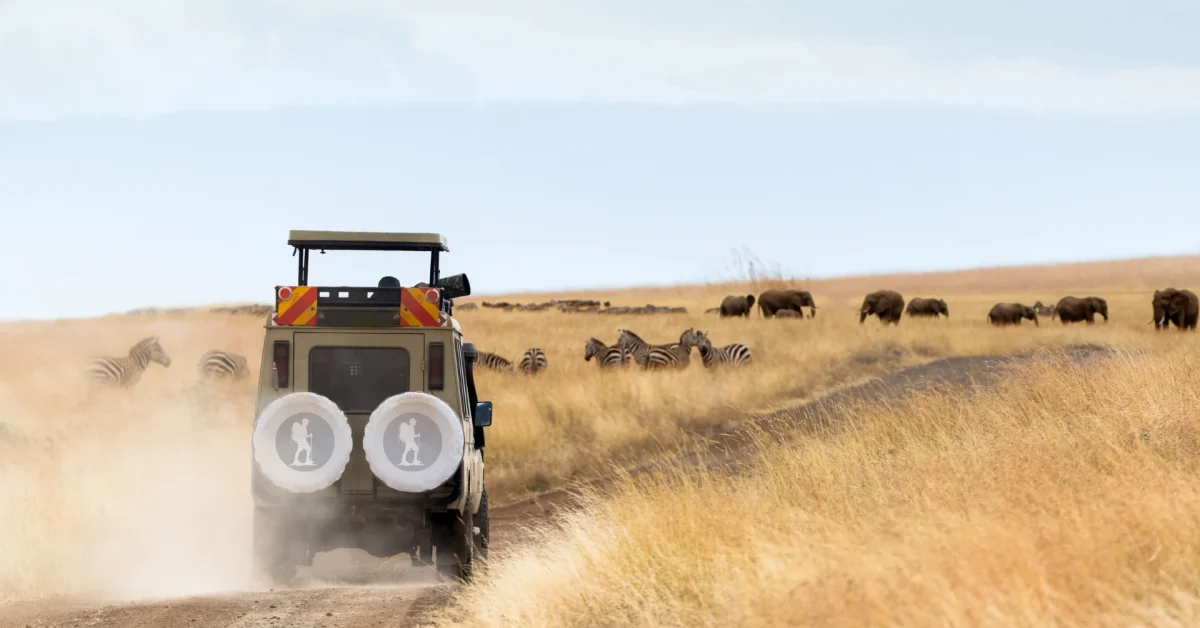
The heart of every Serengeti experience is the classic game drive. Hop into a 4×4 safari vehicle and explore the vast plains in search of lions, elephants, giraffes, zebras, and countless others.
Morning drives start early when the animals are most active.
Afternoon drives are perfect for soaking up the golden light and spotting predators on the hunt.
Full-day safaris let you go deeper into remote parts of the park with picnic lunches under acacia trees — a true wilderness experience!
Starting From
$100/person
Starting From
$100/person
Hot Air Balloon Safari
Imagine floating silently above the Serengeti at sunrise as herds of wildebeest and giraffes move gracefully below.
A hot air balloon safari offers a bird’s-eye view of the landscape that few ever forget.
After landing, you’re treated to a champagne breakfast in the bush — it’s pure magic and worth every moment.
Guided Walking Safaris
For the adventurous traveler, walking safaris bring you even closer to nature. Accompanied by an experienced ranger, you’ll follow animal tracks, learn about plants, and hear the rustle of wildlife around you.
It’s safe, educational, and an incredible way to see the Serengeti from a fresh perspective — away from the vehicle.
Starting From
$100/person
Serengeti Safari Packages
4 Days Tarangire, Ngorongoro Crater and Serengeti Safari
Starts from $1,800 Per Person

3 Days Serengeti Great Migration & River Crossing Safari (Fly-In)
Starts from $1,511 Per Person

4 Days Lake Manyara, Serengeti and Ngorongoro Crater Safari
Starts from $1,800 Per Person

5 Days Tarangire, Ngorongoro Crater and Serengeti Safari
Starts from $2,000 Per Person

6 Days Tarangire, Lake Manyara, Ngorongoro Crater & Serengeti Safari
Starts from $2,500 Per Person
Combine Serengeti with Tanzania’s Top Parks
Explore Tanzania’s Northern Circuit Safari – Combine Serengeti, Ngorongoro, Tarangire & Lake Manyara
FAQ About Serengeti National Park Safari
How much does a Serengeti safari cost?
Prices vary based on group size, accommodation, and season. Budget safaris start around $200–$300 per person per day.
What is the best time to see the Great Migration?
The herds are usually in central Serengeti (April–June) and northern Serengeti (July–October) — during the Mara River crossings.
Is Serengeti safe for tourists?
Yes. Serengeti is one of Africa’s safest parks. You’ll always be accompanied by licensed, professional guides.
Can I combine Serengeti with Zanzibar?
Absolutely! Many travelers enjoy a Serengeti + Zanzibar combo — safari first, beach relaxation after.
What should I pack for my serengeti safari
Light clothing in neutral colors, sunscreen, hat, camera, binoculars, insect repellent.
Are safaris suitable for kids?
Yes! Family-friendly lodges and safe itineraries are available — our guides love working with kids.
Book Your Serengeti Safari Today
Let’s make your dream Serengeti safari a reality!
Whether you want a quick getaway or an extended Northern Circuit adventure — we’ll craft an itinerary that fits your travel style and budget perfectly.