Ngorongoro Crater Safari
Welcome to Ngorongoro Conservation Area
Discover one of Africa’s most breathtaking natural wonders — the Ngorongoro Crater!
At Affordable International Travel, we make it possible for every traveler to experience this world-famous safari destination without breaking the bank.
Whether you dream of spotting the Big Five, capturing epic landscapes, or exploring Maasai culture, our Ngorongoro Crater safaris bring you right to the heart of Tanzania’s wild beauty — affordably, safely, and comfortably.
About Serengeti National Park
Formed millions of years ago by a massive volcanic eruption, the Ngorongoro Crater is the world’s largest intact caldera. It’s a natural “Noah’s Ark” where over 25,000 animals roam freely — lions, elephants, rhinos, hippos, and countless antelopes.
This UNESCO World Heritage Site offers one of the highest wildlife densities in Africa, making it perfect for short yet unforgettable safaris — even if you’re traveling on a budget.
Where is Ngorongoro Crater?
Ngorongoro Crater lies in northern Tanzania, about 180 km west of Arusha — the gateway to the Northern Safari Circuit.
The drive takes around 3–4 hours and passes through scenic highlands and Maasai villages.
You can also visit Ngorongoro easily from Serengeti, Tarangire, or Lake Manyara, making it an ideal stop in any Tanzania safari itinerary.
Best Month to Visit Ngorongoro Crater
Every month has its magic — choose your perfect season.
Ngorongoro in January
Rainy season
January brings the heart of the green season. The crater is lush, the air is fresh, and the wildlife viewing is fantastic — especially for bird lovers.
Animals are easy to spot against the bright green backdrop, and baby animals start to appear everywhere.
Fewer tourists mean more peaceful game drives and better hotel rates — perfect for budget travelers
Ngorongoro in February
Rainy season
February is one of the most dramatic months to visit Ngorongoro.
Wildebeests and zebras give birth in nearby Ndutu Plains, attracting predators like lions and hyenas.
It’s an incredible time for photography and witnessing the circle of life up close.
Expect short showers, but they don’t disrupt safaris much — and the scenery is stunning.
Ngorongoro in March
Rainy season
March marks the end of the green season.
The grass is tall, the crater is full of life, and the weather is still warm.
Tourist numbers start to drop, making it ideal for travelers seeking serenity and discounted prices.
It’s a calm, photogenic, and great-value time to explore.
Ngorongoro in April
Rainy season
April is the peak of the long rains, but don’t let that discourage you!
The crater looks magical — misty mornings, emerald hills, and no crowds.
Lodges offer some of the lowest prices of the year, and roads are quieter.
If you love landscapes and privacy, this is your hidden gem month.
Ngorongoro in May
Shoulder Season
May continues the rainy season, but it’s a photographer’s dream.
The crater floor is vibrant, animals are well-fed, and birdlife is spectacular.
Safari prices remain low, and the weather gradually starts to dry.
It’s a perfect month for those who want a premium experience at a budget cost.
Ngorongoro in June
Dry season
June marks the beginning of the dry season — cool mornings, clear skies, and excellent wildlife viewing.
The grass shortens, making animals easier to spot, and roads become smooth for travel.
It’s also when safari season starts picking up, so booking early is wise.
Ngorongoro in July
Dry season
July is one of the best months to visit Ngorongoro.
The weather is crisp and dry, animals gather around water sources, and the crater is alive with activity.
Expect clear skies, perfect photography light, and busy lodges.
Book early for affordable deals — this is the classic safari experience everyone dreams of.
Ngorongoro in August
Dry season
August is another top month for Ngorongoro safaris.
The crater floor is dry, and animals are highly visible in the open grasslands.
It’s great for families and first-time safari travelers.
Temperatures are cool and comfortable, and the scenery remains breathtakingly golden.
Ngorongoro in September
Dry season
September continues the dry season with slightly warmer days.
It’s still prime game-viewing time, and the crater remains packed with wildlife.
With fewer tourists than July and August, you’ll enjoy great sightings without the high-season rush.
Ideal for travelers who want great value and great weather.
Ngorongoro in October
Shoulder Season
October marks the end of the dry season.
The scenery begins to change, with hints of green returning.
Animals are still easy to find, and light rains start refreshing the land.
This is a lovely “shoulder month” with moderate prices and fewer crowds — a sweet spot for budget-conscious travelers.
Ngorongoro in November
Rainy season
November brings short rains that turn the crater beautifully green again.
The light showers are usually brief and make the landscapes come alive. Birdlife is fantastic, and many lodges offer off-season discounts.
It’s a great time for photographers and travelers looking for value and vibrant scenery.
Ngorongoro in Dcember
Rainy season
December is a wonderful month to end the year in Ngorongoro.
The crater is lush, wildlife is abundant, and the festive spirit brings a cheerful atmosphere to lodges and camps.
Expect a mix of sunshine and light rain — perfect for a scenic, holiday safari experience.
Best months to visit Ngorngoro Crater
Best overall wildlife viewing: June to October
Best for scenery and photography: January to March
Best for budget travelers: April to June, November
Best for avoiding crowds: March, April, May, November
Why Visit Ngorongoro Crater?
Here are three powerful reasons Ngorongoro should top your bucket list:
The Big Five
Spot the Big Five in a single day
Scenic Beauty
volcanic landscapes, soda lakes, and grasslands.
Cultural Encounters
Visit Maasai villages and learn about their traditions.
Affordable Accomodations at Ngorongoro
Ngorongoro offers lodges, tented camps, and budget-friendly hotels around the crater rim and nearby areas. Some top options include
Rhino Lodge
Cost/night From $150 per Person
Simba Campsite
Cost/night From $95 per Person
Octagon Lodge Karatu
Cost/night From $120 per Person
Ngorongoro Conservation Area Main Attractions
Each attraction tells a unique story of nature, history, and wonder.
Ngorongoro Crater Floor
Step inside the heart of the crater — a wildlife paradise where nature is in charge.
Here, elephants stroll through acacia forests, lions bask in the sun, and flamingos paint the lake pink. With its rich soils and permanent water, this natural amphitheater supports an incredible variety of animals all year round.
A full-day game drive inside the crater offers the best chance to spot all Big Five — including the rare black rhino.
Olduvai Gorge
Welcome to the Cradle of Mankind — where human history began.
Olduvai Gorge is one of the world’s most important archaeological sites, where fossils and tools from early humans were discovered.
A short visit to the Olduvai Museum gives you a fascinating glimpse into our shared past — and how Ngorongoro’s ancient landscapes shaped human evolution.
Empakaai Crater
A hidden gem inside the Ngorongoro Conservation Area, Empakaai Crater offers peace, views, and adventure.
Unlike the main crater, this smaller caldera is perfect for hiking and birdwatching. From the rim, you can look down on a turquoise lake often filled with flamingos, surrounded by untouched forests.
It’s ideal for travelers seeking something off the beaten path, where nature feels raw and unspoiled.
Activities in Ngorongoro Conservation Area
Ngorongoro Safari isn’t just about game drives — it’s about connection and discovery.
Game Drives
The highlight of every Ngorongoro visit — exciting, immersive, and unforgettable.
Hop into a 4×4 safari vehicle with a local expert guide and explore the crater floor from sunrise to sunset.
You’ll spot lions hunting, hippos wallowing, and elephants feeding, all against a backdrop of lush green plains.
Starting From
$250/person
Starting From
$100/person
Cultural Tours with the Maasai
Step into the colorful world of the Maasai people, who have lived here for centuries.
Visit their traditional villages, learn about their customs, and share stories around the fire.
It’s a heartwarming cultural exchange that lets you see Tanzania beyond the wildlife — through its people.
Crater Rim Walks
For those who love scenic views and fresh air, this is a must-do.
Take a guided nature walk along the crater rim and enjoy breathtaking views of the landscape below.
Your guide will point out plants, birds, and local wildlife while you take photos you’ll treasure forever.
It’s peaceful, refreshing, and one of the most authentic ways to connect with Ngorongoro’s beauty.
Starting From
$100/person
Ngorongoro Safari Packages
Affordable safaris designed for travelers who want more for less.


5 Days Tarangire, Ngorongoro Crater and Serengeti Safari
Starts from $2,000 Per Person


2 Days Arusha National Park and Ngorongoro Crater Safari
Starts from $700 Per Person
4 Days Tarangire, Ngorongoro Crater and Serengeti Safari
Starts from $1,800 Per Person

Combine Serengeti with Tanzania’s Top Parks
Ngorongoro is part of the famous Northern Safari Circuit, which means it easily combines with:
FAQ About Ngorongoro Crater Safari
How much does a Ngorongoro Crater safari cost?
Costs depend on the duration, group size, and accommodation type. A budget 2-day safari typically starts around $350–$450 per person, including park fees, meals, transport, and guides. We provide transparent, all-inclusive quotes — no hidden fees.
What kind of vehicle do you use for safaris?
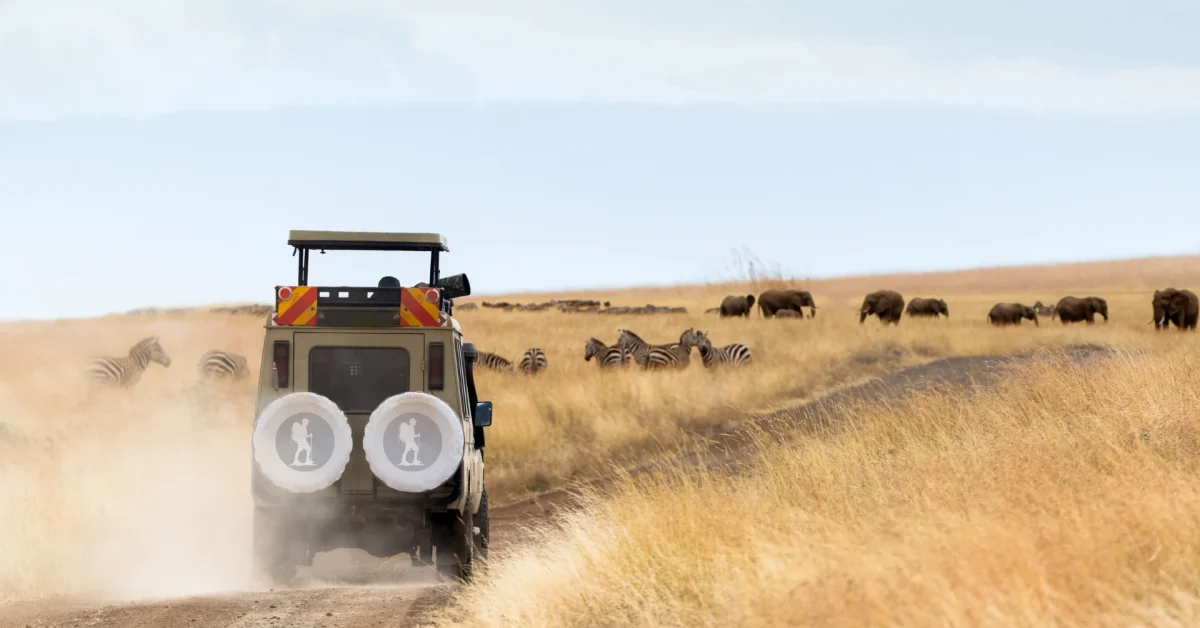
We use customized 4×4 Land Cruisers with pop-up roofs for perfect wildlife viewing. All vehicles are maintained for safety, fitted with radios, and driven by licensed, experienced guides.
Can I visit Ngorongoro on a day trip from Arusha?
Yes, it’s possible but quite long (around 3–4 hours each way). We recommend an overnight stay in Karatu or at the crater rim for a more relaxed experience and early entry to the park.
What’s the weather like inside the crater?
The crater is cooler than the surrounding plains due to its high altitude (2,200 m above sea level). Mornings can be chilly — pack a light jacket. Days are mild and sunny most of the year.
Is Ngorongoro safe for tourists?
Absolutely. Ngorongoro is one of Tanzania’s safest safari destinations. All tours are guided, and our drivers are trained in wildlife safety and first aid.
What wildlife will I see?
Expect to see lions, elephants, zebras, wildebeests, buffaloes, hippos, and flamingos — plus a high chance of spotting the rare black rhino. Leopards and cheetahs are occasionally seen too.
What wildlife will I see?
Expect to see lions, elephants, zebras, wildebeests, buffaloes, hippos, and flamingos — plus a high chance of spotting the rare black rhino. Leopards and cheetahs are occasionally seen too.
How do I book a Ngorongoro safari with you?
Simply contact us online or via WhatsApp. Our team will share sample itineraries, explain costs clearly, and help you tailor your safari to your travel plans.
Book Your Ngorongoro Safari Today
Let’s make your dream Serengeti safari a reality!
Whether you want a quick getaway or an extended Northern Circuit adventure — we’ll craft an itinerary that fits your travel style and budget perfectly.