
Tanzania safaris are expensive due to high conservation park fees ($70–$84 per person per day in peak season for parks like Serengeti), premium lodges and camps in remote areas, private 4×4 vehicles with expert guides, domestic flights or long transfers, and limited capacity to preserve exclusivity. Costs typically range from $400–$700 per person per day for mid-range options. You can reduce expenses by 20–50% by traveling in shoulder seasons (November or April–May), joining group tours, opting for budget camping or lodges outside parks, booking directly with local operators, and focusing on fewer parks.
Almost every traveler planning a Tanzania safari experiences the same moment: excitement… followed by shock.
You imagine endless savannahs, lions at sunrise, and the Great Migration sweeping across the plains. Then you see the prices—and suddenly you’re asking: Why is a Tanzania safari so expensive? Is it really worth it?
The short answer is yes, Tanzania safaris are expensive. But the longer—and more important—answer is why they cost what they do, where your money actually goes, and how smart planning can dramatically reduce the price without ruining the experience.
At Affordable International Travel Ltd, we’ve planned safaris for budget travelers, honeymooners, families, photographers, and first-time visitors from all over the world. What we’ve learned is simple: most people don’t overspend because Tanzania is expensive — they overspend because they don’t understand the cost structure.
This guide fixes that.
Table of Contents
Is a Tanzania Safari Expensive?
Yes, a Tanzania safari is generally considered expensive compared to many other travel experiences—often one of the priciest wildlife adventures in Africa.
Average daily costs for mid-range safaris range from $400 to $700 per person, with luxury options climbing to $1,000+ per day. A 7-day trip can easily total $3,000–$8,000 per person (excluding international flights).
That said, the price reflects the exceptional value: vast parks like the Serengeti offer some of the world’s best wildlife viewing, with fewer crowds than many competing destinations.
At Affordable International Travel Ltd, we’ve seen travelers from all budgets create life-changing trips by focusing on smart planning rather than cutting corners.
What Makes Tanzania Different from Other Safari Destinations?
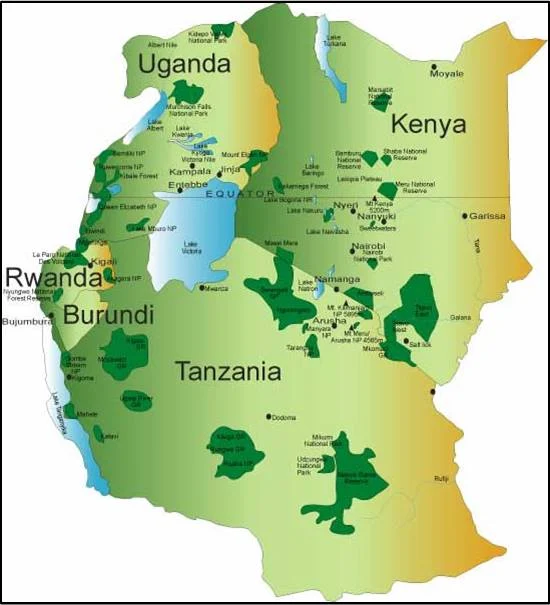
Tanzania isn’t just another African country with wildlife. It’s home to nearly 25% of Africa’s large mammal population and contains four of the continent’s most significant conservation areas within its borders.
The Big Four Conservation Areas
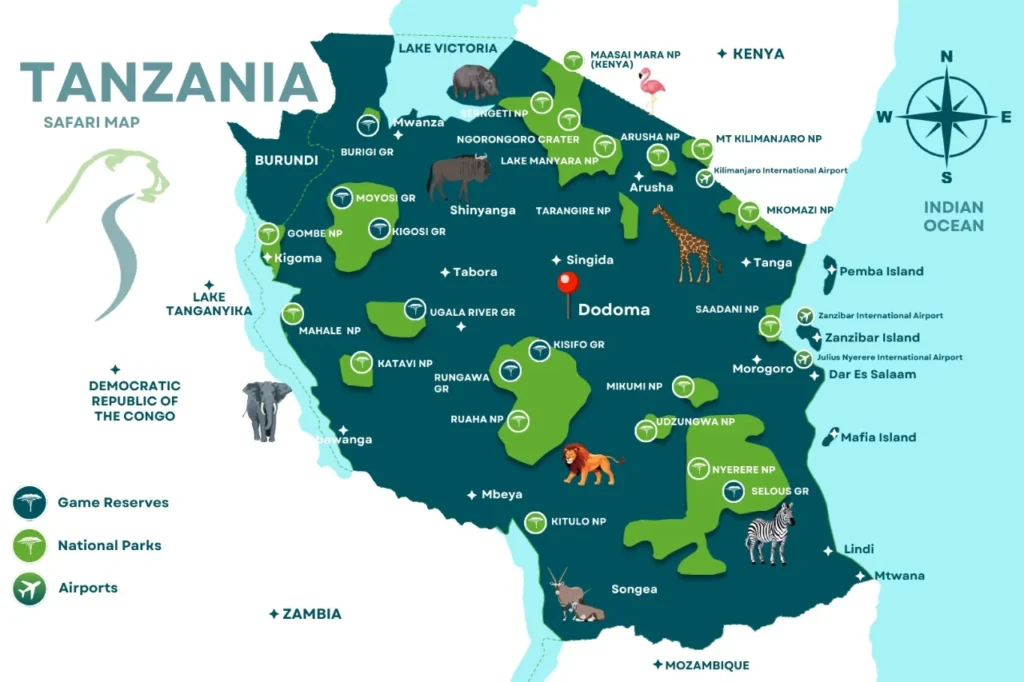
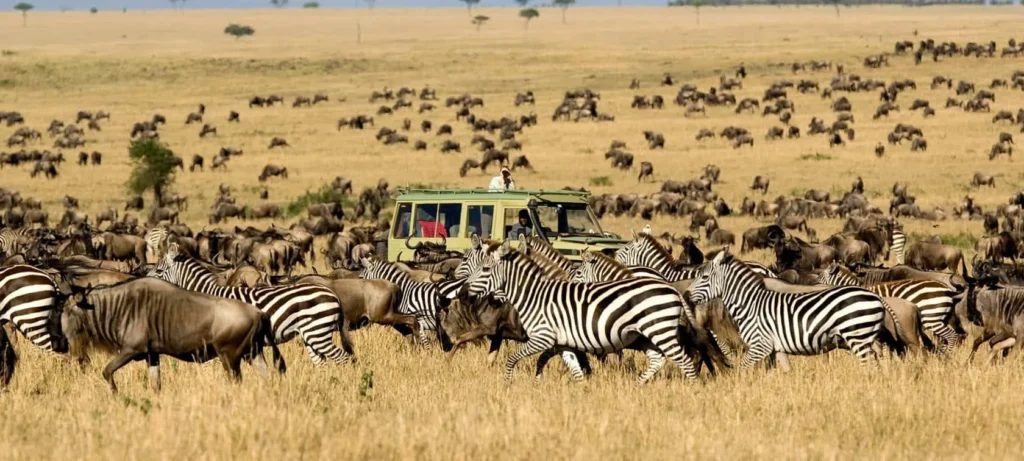
Serengeti National Park hosts the world’s largest terrestrial mammal migration—over 1.5 million wildebeest, 200,000 zebras, and 300,000 gazelles moving in an endless cycle between Tanzania and Kenya. No other place on Earth offers this spectacle.
Ngorongoro Conservation Area contains the world’s largest intact volcanic caldera, creating a natural amphitheater where the Big Five live in extraordinary density. It’s the closest thing to a guaranteed Big Five experience in Africa.
Tarangire National Park shelters the largest elephant population in northern Tanzania, with herds sometimes numbering in the hundreds. Its baobab-studded landscape creates photographic opportunities you won’t find in Kenya or Botswana.
Selous Game Reserve (Nyerere National Park) is Africa’s largest game reserve, bigger than Switzerland, offering genuine wilderness experiences with far fewer tourists than the northern circuit.
Conservation Success Creates Premium Experiences
Tanzania has maintained strict anti-poaching enforcement and limited tourism development in core conservation areas. While this protects the ecosystem’s integrity, it also means fewer lodges, higher accommodation costs, and mandatory conservation fees that fund wildlife protection.
The payoff? Tanzania delivers wildlife densities and diversity that rival or exceed any destination in Africa. You’re not paying for potential sightings—you’re paying for near-certainty.
Breaking Down Tanzania Safari Costs: Where Does Your Money Actually Go?
Understanding the cost structure helps you see where you can reduce expenses and where cutting corners compromises your experience.
National Park Fees: The Largest Single Expense
Tanzania’s national parks charge among the highest entrance fees in Africa:
- Serengeti National Park: $70 per adult per day
- Ngorongoro Crater: $70 per adult + $295 crater service fee per vehicle
- Tarangire National Park: $50 per adult per day
- Lake Manyara National Park: $50 per adult per day
A typical 5-day northern circuit safari visiting Serengeti, Ngorongoro, and Tarangire costs approximately $465 per person in park fees alone—before you’ve slept anywhere or eaten anything.
These fees directly fund Tanzania National Parks Authority (TANAPA) conservation efforts, anti-poaching patrols, and community development programs. They’re non-negotiable and the same for budget camping safaris and luxury lodge experiences.
Vehicle and Fuel Costs
Tanzania’s safari circuits cover vast distances on rough, unpaved roads:
- Arusha to Serengeti: approximately 335 kilometers (7-8 hours)
- Fuel costs: $1.50-$2.00 per liter
- Vehicle maintenance: constant wear on suspension, tires, and drivetrain
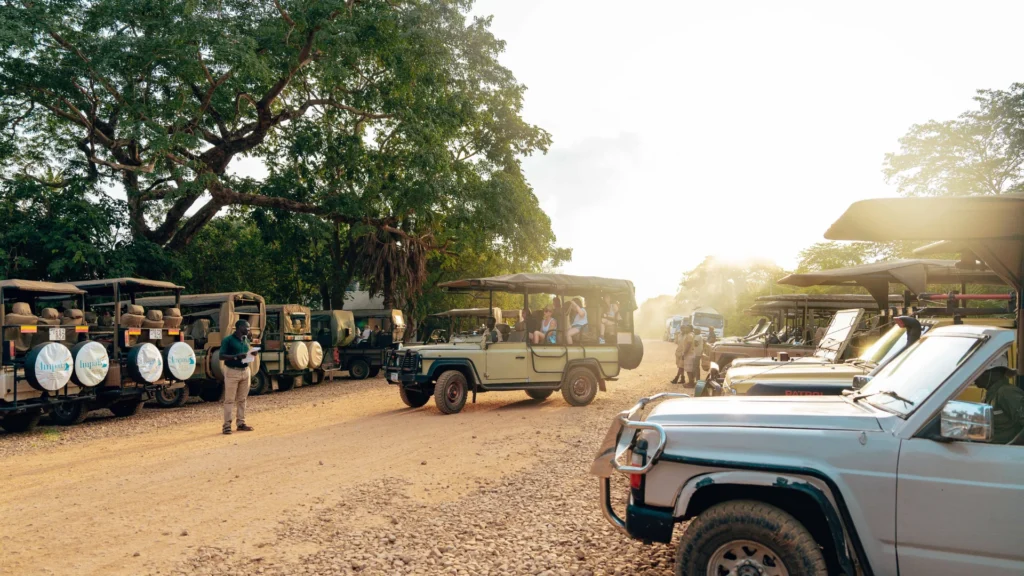
Safari operators must use proper 4×4 Land Cruisers with pop-up roofs—standard sedans can’t access game viewing areas or handle the terrain. A safari-spec Land Cruiser costs $50,000-$70,000, requires frequent maintenance, and gets poor fuel economy.
Vehicle costs typically account for 15-20% of your safari price.
Accommodation: From Camping to Ultra-Luxury
Safari accommodation pricing varies dramatically:
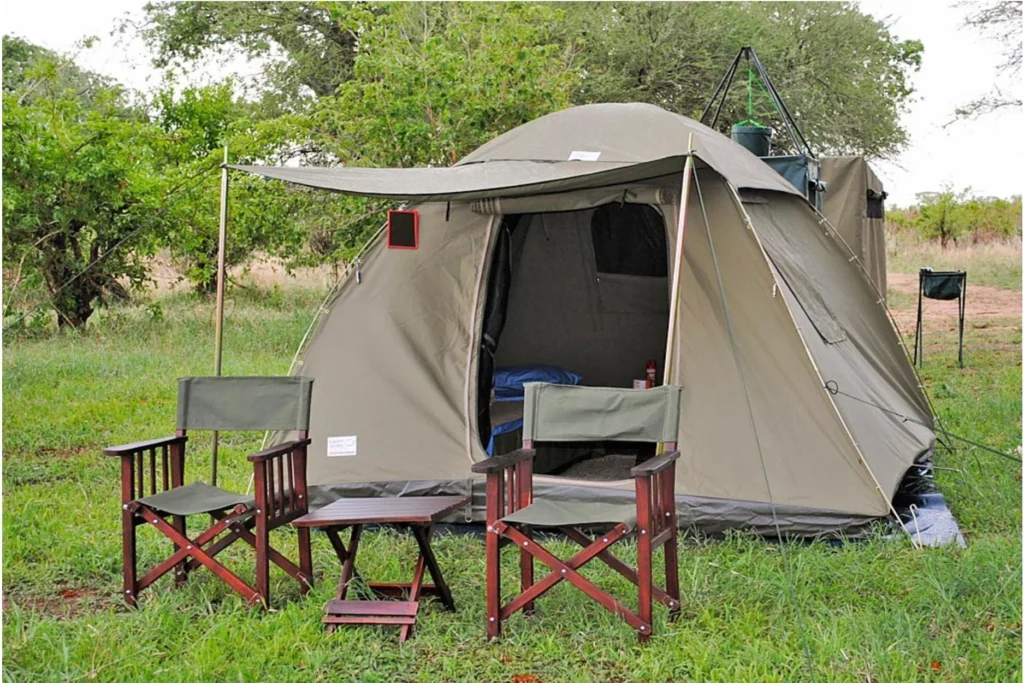
Budget camping: $30-$80 per person per night (public campsites with basic facilities)
Mid-range tented camps: $200-$400 per person per night (comfortable permanent tents with en-suite bathrooms)
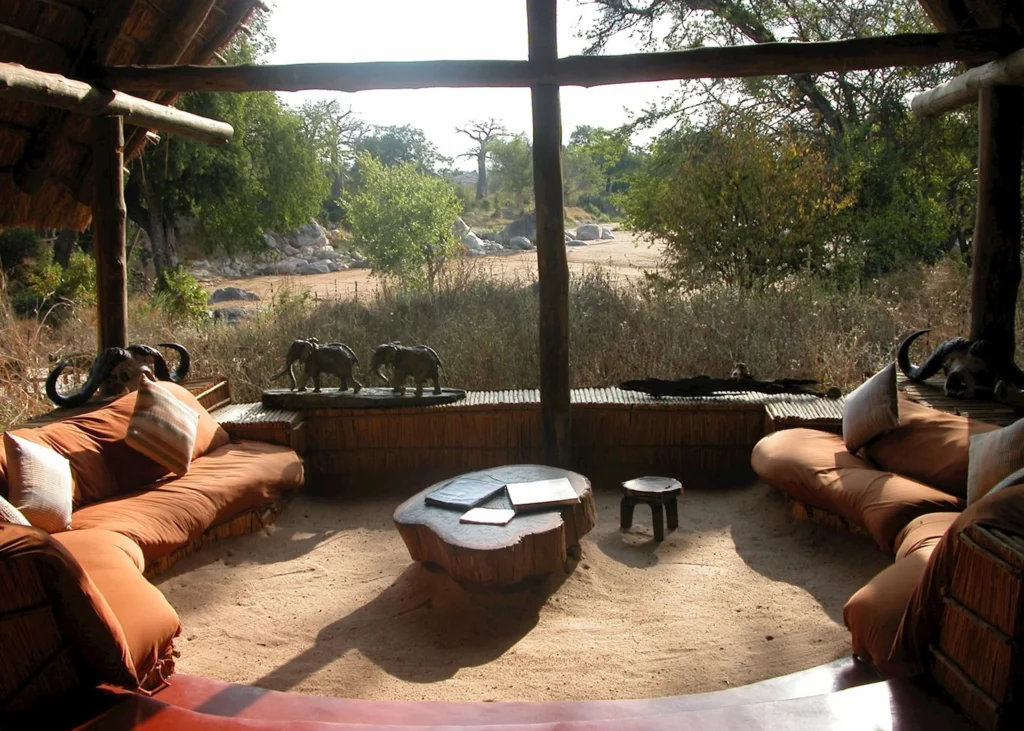
Luxury lodges: $500-$1,500+ per person per night (high-end lodges with swimming pools, spa services, and gourmet dining)
Accommodation in Tanzania costs more than similar properties in Kenya because:
- Remote locations require off-grid power systems (solar, generators)
- All supplies must be trucked long distances
- Water must be sourced, treated, and managed carefully
- Staff accommodation and facilities increase operational costs
- Seasonal operations mean fixed costs must be recovered in 6-8 months
Guide Salaries and Expertise
Tanzania requires safari guides to complete rigorous training and certification through the Tanzania Guide Association. Qualified guides speak multiple languages, understand animal behavior, know park ecosystems intimately, and ensure your safety in close wildlife encounters.
Professional guides earn $100-$300 per day plus tips. Their expertise dramatically affects your experience—knowing where animals are likely to be, understanding behavior patterns, and positioning vehicles for optimal viewing and photography.
Meals and Logistics
Full-board safari packages include:
- Three meals daily prepared in bush kitchens or lodge restaurants
- Drinking water (essential and often bottled or filtered)
- Park picnic lunches
- Tea/coffee and snacks
Food must be purchased in Arusha or Moshi, transported to remote locations, stored safely (refrigeration challenges), and prepared in challenging conditions. Budget safaris serve simpler meals; luxury lodges offer multi-course dining with wine pairings.
Hidden Costs That Add Up
- Concession fees: Some private reserves charge additional access fees
- Flying Doctor insurance: Recommended evacuation coverage for remote areas ($25-$50 per person)
- Porter and camp crew wages: On camping safaris, multiple staff support operations
- Government taxes: 18% VAT on most services
Why Tanzania Costs More Than Kenya, South Africa, or Other Destinations
Direct comparisons reveal Tanzania’s premium:
Tanzania vs. Kenya
Kenya’s Masai Mara charges approximately $80 per adult daily for non-residents, but Kenya has far more budget accommodation options, better road infrastructure, and shorter distances between parks. A comparable 5-day Kenya safari typically costs 20-30% less than Tanzania’s northern circuit.
However, Tanzania offers less crowded game viewing—during peak migration season, you might see 20-30 vehicles at a Mara river crossing in Kenya versus 5-10 in Tanzania.
Tanzania vs. South Africa
South Africa’s Kruger National Park charges around $25 per day, has excellent paved roads, and offers self-drive options that dramatically reduce costs. You can safari in Kruger for $100-$150 daily all-inclusive versus $300-$500 minimum in Tanzania.
The trade-off? Kruger is fenced, more developed, and doesn’t offer the Serengeti’s vast wilderness feeling or migration spectacle.
Tanzania vs. Botswana
Botswana deliberately prices safaris at the ultra-luxury end ($500-$1,500+ per person per night) to limit tourist numbers and preserve wilderness. Tanzania is actually cheaper than Botswana’s primary destinations like the Okavango Delta.
The Value Proposition
Tanzania costs more because it delivers:
- Higher wildlife densities in many areas
- The Great Migration’s full cycle
- Less crowded game viewing
- UNESCO World Heritage Sites
- Genuine wilderness experiences
- Strong conservation ethics
You’re paying for quality of experience, not just wildlife presence.
How to Significantly Reduce Tanzania Safari Costs Without Compromising Experience
Now for the practical strategies that actually work.
Travel During Shoulder or Low Season
Tanzania’s tourism seasons directly impact pricing:
High season (July-October, December-February): Peak prices, maximum crowds, best weather
Shoulder season (March-May, November): 20-40% lower prices, fewer tourists, good wildlife viewing
Low season (April-May): Lowest prices but heavy rains can make roads impassable
The “secret” shoulder season is November—the short rains are brief, wildlife viewing remains excellent (especially predators), and prices drop significantly. Late March to early April also offers value if you can tolerate afternoon showers.
Join a Group Safari Instead of Private Tours
Group safaris (usually 4-6 travelers sharing a vehicle) cost 30-50% less than private safaris because vehicle, guide, and fuel costs are shared.
Budget group safari: $200-$300 per person per day Mid-range private safari: $350-$500 per person per day (for two people)
Affordable International Travel Ltd specializes in carefully curated group departures with guaranteed departures, vetted fellow travelers, and the same professional guides and routes as private tours.
The experience difference? You’ll share game viewing with friendly travelers, which many find enhances rather than detracts from the adventure. You’ll also make new friends and share the excitement of wildlife encounters.
Choose Camping Over Lodge-Based Safaris
Public campsite safaris deliver identical game viewing to luxury lodges at a fraction of the cost:
5-day camping safari: $1,200-$1,800 per person 5-day mid-range lodge safari: $2,500-$3,500 per person 5-day luxury safari: $5,000-$15,000+ per person
Modern camping safaris include comfortable walk-in tents, camp beds with mattresses and bedding, private toilet tents, hot showers, and full meals prepared by camp cooks. You’re sacrificing permanent structures and amenities, not safety or food quality.
Many travelers report camping safaris feel more authentic—falling asleep to lion roars and waking to bird calls creates immersive experiences lodges can’t replicate.
Book Directly with Tanzania-Based Operators
Booking through international travel agencies or online marketplaces adds 20-40% commission markup. Direct booking with established Tanzanian operators like Affordable International Travel Ltd eliminates intermediary costs.
Direct booking also means:
- Clear communication with the people actually running your safari
- Flexibility to customize itineraries
- Direct relationships if issues arise
- Supporting local businesses and employment
Look for operators with:
- Valid Tanzania tour operator licenses
- Positive independent reviews (TripAdvisor, SafariBookings)
- Clear pricing breakdowns
- Responsive communication
- Professional websites and booking systems
Shorten Your Safari Duration Strategically
A 4-day safari costs less than 5 days—obvious. But strategic shortening maintains experience quality:
Standard 5-day northern circuit: Arusha → Lake Manyara → Serengeti (2 nights) → Ngorongoro → Arusha
Optimized 4-day circuit: Arusha → Tarangire → Serengeti (1 night) → Ngorongoro → Arusha
You save one night’s accommodation and one day’s park fees ($150-$200 per person) while still experiencing the essential highlights. The trade-off is less time in Serengeti, which is significant if migration viewing is your priority.
Travel in Larger Groups
If you can organize 4-6 friends or family members for a private safari, per-person costs drop dramatically:
Private safari for 2 people: $450 per person per day Private safari for 4 people: $300 per person per day Private safari for 6 people: $250 per person per day
The same vehicle, guide, and logistics serve everyone, so costs divide across more travelers. You maintain privacy and flexibility while approaching group safari pricing.
Focus on Northern Circuit Parks Only
Tanzania’s southern and western circuits offer incredible experiences but require expensive flights or extremely long drives. The northern circuit (Serengeti, Ngorongoro, Tarangire, Lake Manyara) is accessible by road from Arusha, keeping costs manageable.
Destinations like Ruaha, Selous/Nyerere, Mahale Mountains, and Katavi require:
- Domestic flights: $300-$600 per person each way
- Higher accommodation costs due to remoteness
- Longer total trip duration
Save these for second or third Tanzania visits when you’ve experienced the northern circuit.
Skip Unnecessary Add-Ons
Common add-ons that inflate costs:
- Balloon safaris: $550-$600 per person for a 1-hour flight—spectacular but expensive
- Cultural village visits: Often staged and not authentic; $20-$50 per person
- Extra nights in Arusha: One night pre-safari and one post-safari is sufficient
- Premium alcohol packages: Lodges charge resort pricing for drinks
Be selective about add-ons that genuinely enhance your experience versus those that simply add revenue for operators.
Book Last-Minute for Bargain Deals (If Flexible)
Safari operators occasionally offer significant discounts (30-50% off) for last-minute bookings when they have confirmed departures with empty seats or unfilled private safaris.
This strategy requires:
- Extreme schedule flexibility
- Ability to book flights on short notice
- Willingness to accept whatever dates are available
- Comfort with limited itinerary choices
Not recommended for once-in-a-lifetime safaris, but viable for repeat visitors or extended stays in Tanzania.
What You Should NOT Compromise On
While cost reduction is important, certain compromises create safety risks or ruin your experience.
Don’t Choose Unlicensed Operators
Unlicensed operators offer suspiciously low prices but risk:
- Uninsured vehicles
- Unqualified guides
- Poor vehicle maintenance (breakdowns in remote areas)
- Invalid park permits (being turned away at gates)
- No accountability or recourse if things go wrong
Always verify tour operator licenses with the Tanzania Tourist Board.
Don’t Skip Travel Insurance
Comprehensive travel insurance covering:
- Medical evacuation (essential—nearest advanced hospital may be hours away)
- Trip cancellation/interruption
- Lost luggage
- Emergency medical treatment
Costs $50-$150 for a 1-2 week trip but protects against catastrophic expenses. Medical evacuation from Serengeti to Nairobi or Dar es Salaam can exceed $10,000.
Don’t Book Based Solely on Price
The cheapest safari is rarely the best value. Rock-bottom pricing usually means:
- Inexperienced guides who miss wildlife and lack storytelling ability
- Poorly maintained vehicles that break down
- Substandard food
- Overcrowded or poorly located campsites
- Hidden fees discovered later
A $200 per day safari that breaks down repeatedly, has a guide who can’t find animals, and serves questionable food is worse value than a $300 per day safari that runs smoothly and delivers excellent wildlife encounters.
Don’t Eliminate Rest Days
Safari days involve early starts (5:30-6:00 AM), long drives on rough roads, and intense sun exposure. Pushing 7-8 consecutive safari days without rest leads to exhaustion that diminishes enjoyment.
A well-paced itinerary includes:
- Reasonable daily driving distances
- Time to relax at camps/lodges
- Flexibility for unexpected opportunities (like following a predator hunt)
When Is the Best Time to Safari in Tanzania for Value?
Timing affects both cost and experience quality.
| Season | Cost | Wildlife | Crowd |
|---|---|---|---|
| Apr–May | Lowest | Good | Very low |
| November | Low | Very good | Low |
| Jun–Oct | Highest | Excellent | High |
| Dec–Feb | High | Excellent | Medium |
March-May (Low/Green Season)
Advantages:
- Lowest prices (30-50% discounts)
- Minimal crowds
- Lush, green landscapes
- Excellent birding (migratory species present)
- Baby animals (calving season January-February extends into March)
Disadvantages:
- Heavy afternoon rains
- Some roads may be impassable
- Grasses grow tall, making wildlife spotting harder
- Some camps close entirely
Best for: Budget-focused travelers, photographers seeking dramatic skies, birding enthusiasts
June and November (Shoulder Season)
Advantages:
- 20-30% lower than high season
- Good weather (dry or minimal rain)
- Fewer tourists than peak months
- Excellent wildlife viewing
- Good migration positioning (varies by year)
Disadvantages:
- Unpredictable weather (especially November short rains)
- Some camps may not be fully operational
Best for: Value-conscious travelers seeking balance between cost and experience
July-October (High Season)
Advantages:
- Best weather (dry, clear, sunny)
- Peak migration spectacles (river crossings)
- Optimal wildlife viewing (animals concentrate at water sources)
- All camps and lodges fully operational
Disadvantages:
- Highest prices
- Maximum crowds (especially Serengeti and Ngorongoro)
- Advance booking essential (6-12 months)
- Dust on roads
Best for: First-time safari-goers prioritizing optimal conditions, migration enthusiasts
December-February (Secondary High Season)
Advantages:
- Calving season in southern Serengeti (December-March)
- Excellent predator action
- Warm weather
- Good availability (except Christmas/New Year)
Disadvantages:
- High season pricing
- Can be very hot
- More tourists than shoulder season
Best for: Photographers seeking predator-prey interactions, families traveling during school holidays
How Much Should You Realistically Budget for a Tanzania Safari?
Here are realistic all-inclusive budgets (excluding international flights):
Budget Camping Safari (5-6 Days)
Per person cost: $1,400-$2,200
Includes:
- Public campsite accommodation
- All park fees
- Full board meals
- Safari vehicle and fuel
- Professional guide
- Camping equipment
Excludes:
- Tips ($50-$80 total)
- Drinks/alcohol
- Travel insurance
- Visa ($50-$100)
Mid-Range Lodge/Tented Camp Safari (5-6 Days)
Per person cost: $2,800-$4,500
Includes:
- Comfortable tented camps or lodges
- All park fees
- Full board meals (some camps include house wine/beer)
- Safari vehicle and fuel
- Professional guide
Excludes:
- Tips ($80-$120 total)
- Premium alcohol
- Travel insurance
- Visa
Luxury/High-End Safari (5-6 Days)
Per person cost: $6,000-$15,000+
Includes:
- Premium lodges with exceptional service
- All park fees
- Gourmet meals and premium beverages
- Safari vehicle and fuel (may be private despite group bookings)
- Expert guide
- Often includes extras (laundry, WiFi, etc.)
Excludes:
- Tips ($150-$300 total)
- Special activities (balloon safaris, etc.)
- Travel insurance
- Visa
Additional Costs to Budget
- International flights: $800-$1,800 (varies by origin and season)
- Tanzania visa: $50-$100 (available online or on arrival)
- Travel insurance: $50-$150
- Pre/post-safari accommodation: $50-$200 per night
- Vaccinations: $100-$300 (yellow fever, hepatitis A, typhoid recommended)
- Souvenirs/shopping: $50-$500
Common Mistakes That Waste Money on Tanzania Safaris
Booking Too Far in Advance with Inflexible Operators
While booking 6-12 months ahead secures availability during high season, booking 18-24 months ahead locks you into pricing before you can take advantage of promotions or last-minute deals.
Book 6-9 months ahead for high season, 3-6 months for shoulder season.
Paying for Unnecessary Upgrades
Not everyone needs or wants:
- Private vehicles (groups can be fun)
- Lodge swimming pools (you’re on safari 12+ hours daily)
- Luxury bathrooms (you’re showering once daily, sleeping mostly)
- Gourmet meals (hearty, good food is sufficient)
Understand what genuinely matters to you versus what sounds impressive.
Skipping Tarangire to Save Money
Some budget itineraries skip Tarangire to reduce costs. This is a mistake. Tarangire offers:
- Exceptional elephant viewing
- Unique landscapes
- Tree-climbing lions
- Less crowded than Serengeti
- Lower park fees than Serengeti ($50 vs. $70)
It’s one of the best value-for-money parks in the northern circuit.
Booking Separate Components Instead of Packages
Attempting to book vehicle rental, camping equipment, guide services, and accommodation separately rarely saves money and creates massive logistical headaches.
Comprehensive packages include:
- Bulk purchasing discounts operators receive
- Established relationships with accommodation
- Guaranteed service integration
- Single point of contact for issues
Not Negotiating or Asking About Discounts
Especially for group bookings, longer safaris, or off-season travel, many operators offer discounts if you ask. Common discounts:
- Group rates (4+ travelers)
- Long-stay discounts (7+ days)
- Repeat customer discounts
- Early booking discounts
- Last-minute discounts
Simply asking “Do you offer any discounts for [group size/travel dates/etc.]?” can yield 5-15% savings.
Is a Tanzania Safari Worth the Cost?
This depends on what you value in travel experiences.
What Makes Tanzania Safaris Exceptional
Unmatched wildlife spectacles: Watching a million wildebeest cross the Mara River while crocodiles wait below is genuinely unforgettable. Seeing lion prides hunt cooperatively, cheetah mothers teaching cubs to hunt, or elephants protecting newborns creates emotional connections that last lifetimes.
Wilderness immersion: The Serengeti’s endless plains, where you can drive for an hour seeing only wildlife and distant horizons, provides a rare sense of space increasingly absent in our crowded world.
Conservation impact: Your park fees directly fund anti-poaching patrols, community programs, and habitat protection. Tanzania has maintained stable or growing populations of elephants, lions, and other threatened species partly due to tourism revenue.
Transformative experiences: Many travelers report safaris fundamentally changing their perspective on nature, conservation, and what matters in life. The combination of natural beauty, wildlife encounters, and disconnection from daily routines creates space for reflection and renewal.
When Tanzania Safaris May Not Be Worth It
If you:
- Aren’t particularly interested in wildlife
- Expect luxury resort experiences at budget prices
- Can’t handle rustic conditions, long drives, or unpredictable wildlife
- Would rather spend money on city experiences, beach vacations, or cultural tourism
Then Tanzania safaris may not deliver sufficient value for the cost.
The Honest Assessment
For wildlife enthusiasts, photographers, nature lovers, and adventure seekers, Tanzania safaris deliver extraordinary value despite high absolute costs. The question isn’t whether Tanzania is expensive—it is. The question is whether what Tanzania offers is worth the investment to you personally.
Thousands of travelers save for years to experience Tanzania and universally report it exceeded expectations. The value isn’t just in what you see but in how the experience changes you.
Frequently Asked Questions
How much does a basic Tanzania safari cost per day?
A basic camping safari costs $200-$300 per person per day all-inclusive, while mid-range lodge safaris cost $350-$550 per day, and luxury safaris range from $600-$1,500+ per day. Budget camping safaris offer the same game viewing and park access as luxury options but with simpler accommodation and fewer amenities.
Can I do a self-drive safari in Tanzania to save money?
Self-drive safaris are technically possible in some Tanzania parks but not recommended. You must hire a 4×4 vehicle ($150-$250 daily), pay all park fees yourself, navigate without local knowledge, and handle breakdowns in remote areas. Professional guides significantly improve wildlife spotting and safety. The cost savings rarely justify the compromises and risks.
Are Tanzania safaris more expensive than Kenya?
Yes, Tanzania safaris typically cost 20-30% more than comparable Kenya experiences. Tanzania charges higher park fees, has fewer budget accommodation options, and covers larger distances between parks. However, Tanzania often delivers less crowded game viewing and includes the full Great Migration cycle within its borders.
What’s included in an all-inclusive Tanzania safari price?
All-inclusive safaris include accommodation, all meals, park entrance fees, safari vehicle and fuel, professional guide services, and drinking water. They typically exclude tips (10-15% of safari cost recommended), alcohol, travel insurance, visa fees, and optional activities like balloon safaris or cultural visits.
How far in advance should I book a Tanzania safari?
Book 6-9 months ahead for high season travel (July-October), 3-6 months for shoulder season (March-May, November), and 1-3 months for low season. Last-minute bookings (2-4 weeks ahead) can sometimes secure significant discounts but offer limited itinerary choices and require schedule flexibility.
Is tipping required on Tanzania safaris, and how much?
Tipping isn’t mandatory but is customary and expected. Standard guidelines suggest $20-$25 per day per client for guides, $15-$20 per day for camp staff (divided among the team), and $10 per day for drivers (if separate from guides). For a 5-day safari, budget $100-$150 per person for tips.
Can I safari Tanzania on a budget of $2,000 total?
Yes, but with limitations. A 5-day budget camping safari costs $1,200-$1,800, leaving $200-$800 for visa, travel insurance, tips, and pre/post-safari accommodation. You’ll need to book group departures, travel during shoulder season, focus on northern circuit parks only, and skip expensive add-ons. It’s achievable but requires discipline and flexibility.
What’s the cheapest month to safari in Tanzania?
April and May are the cheapest months, with prices 30-50% below high season rates. These months fall in the long rainy season, with afternoon thunderstorms and challenging road conditions. March and November offer better value as shoulder season months with decent weather and 20-30% discounts compared to peak season.
Do children pay full price on Tanzania safaris?
Children’s pricing varies by operator and accommodation. Most safari companies offer discounted rates for children: 50-75% of adult price for children ages 5-15, and sometimes free for children under 5 (sharing parent’s room/tent). However, park fees for children 5-15 are usually 50% of adult rates, so operators can’t discount children’s pricing as heavily as hotels might.
Is it cheaper to book safaris from within Tanzania?
Not significantly. Reputable Tanzania operators offer the same pricing whether you book from abroad or in-person in Arusha. “Street safari” operators approached in Arusha often seem cheaper but frequently have hidden costs, use unlicensed services, or deliver poor experiences. Booking directly with established Tanzania operators from your home country provides security, accountability, and similar pricing to in-person booking.
Conclusion
Tanzania safaris are expensive because they protect something priceless.
But expensive doesn’t mean inaccessible.
With the right timing, structure, and local expertise, you can reduce costs by up to 50% while still experiencing the Serengeti, Ngorongoro, and Tanzania’s extraordinary wildlife at its best.
At Affordable International Travel Ltd, we design safaris based on real park knowledge, honest trade-offs, and transparent pricing—not generic packages.
If you’re planning a Tanzania safari and want to know where to spend, where to save, and what truly matters, we’re here to help.
Your Tanzania safari is closer than you think.
Ready to experience the Serengeti without breaking the bank?
Talk to a Safari Expert | WhatsApp: +255740453344 | View All Safari Tours